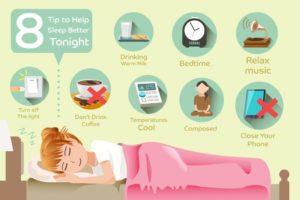
New Year’s Resolutions for Better Sleep
8 Min Read |
Last Modified 9 March 2026 First Added 16 December 2024

We all know how important sleep is for our well-being, but getting a good night’s rest often ends up at the bottom of the to-do list. This year, let’s make snoozing a top priority when setting your New Year’s resolutions. According to our Sleep Survey, only 5% of people say they wake up feeling refreshed. If you’re not one of them, 2026 could be your year to try one of our simple New Year’s resolution ideas to help improve your slumber.
Get outside during daylight hours for some much-needed sunlight exposure. This can be as simple as a short walk during your lunch break or a brisk stroll after work (if the sun is still out!). Not only does it give you a breather from any stresses during the day, but it also helps regulate your circadian rhythm. Natural light, especially in the morning, signals your body to stop releasing melatonin, the hormone that makes you feel sleepy, and boosts serotonin, making you feel more alert. This encourages healthy melatonin production again in the evening as it gets dark, helping you sleep better at night.

One that often appears on most people’s New Year’s resolution lists, daily movement not only improves overall health but also works wonders for sleep. It naturally tires you out during the day, helping you fall asleep quickly and achieve a deeper, more restful snooze, leaving you feeling refreshed in the morning.
To discover the best exercises to promote sleep, the ideal times to work out, and more, listen to our podcast episode, “Will Exercising Help Me Sleep?“
While napping can be beneficial, snoozing for too long during the day or too late in the afternoon can hinder your rest come nighttime. Naps can disrupt your regular sleep cycles and lead to revenge bedtime procrastination, creating a cycle of poor nighttime sleep and daytime tiredness.
An easy New Year’s resolution to fix this is to limit daytime naps to a maximum of 30 minutes for a quick boost of energy that won’t affect your sleep at night.
Read more about the power of cat naps.

Just as important as good sleep, cleaning up your diet is a fantastic New Year’s resolution. Eating healthily will not only help you feel better after indulging during the holidays, but it will also help get your sleep back on track after a few too many late nights. Healthy, nutritious foods are often easier for the body to digest as they contain more fibre. This allows your food to be digested ahead of bedtime, making sleep disturbances from issues like indigestion and waking up during the night less likely.
Many of us are guilty of reaching for an evening snack or sugary drink before going to bed, unaware that this could be the cause of a bad night’s sleep. Eating too close to bedtime can make it harder to fall asleep, leaving you tossing and turning for hours. You might also wake up with a stomach ache or need to go to the toilet.
While some snacks and drinks can help promote sleep, there is a cut-off point for consuming them to ensure a peaceful night’s rest. It’s suggested not to eat or drink for about an hour before lying down. This will ensure you’re not sleeping on a full stomach. To learn more, listen to our podcast, “Does Eating Late Keep You Awake?”.

If you lie in bed scrolling through your phone before closing your eyes, a New Year’s resolution of no phones before bed could be for you. Our Sleep Survey revealed that 29% of the nation checks social media before sleeping. Whether you’re using your phone, a laptop, a tablet, or even watching TV, blue light exposure late in the day can stop your body from producing melatonin, making it harder to feel sleepy.
To combat this, try limiting your screen time in the hour before bedtime to allow melatonin production. When it’s time to hit the hay, turn off notifications so you can rest distraction-free.
In our Sleep Survey, 28% of people said they couldn’t sleep due to stress, and 20% said they were nervous about something the next day. Dedicating some ‘me time’ before bed is a great way to relax and prepare for sleep.
Why not try some relaxation techniques, such as listening to music or a podcast, reading a book, or even meditation or bedtime yoga? To release the stresses of the day, consider keeping a journal to write down your thoughts and feelings or talking to a friend to unwind after work.
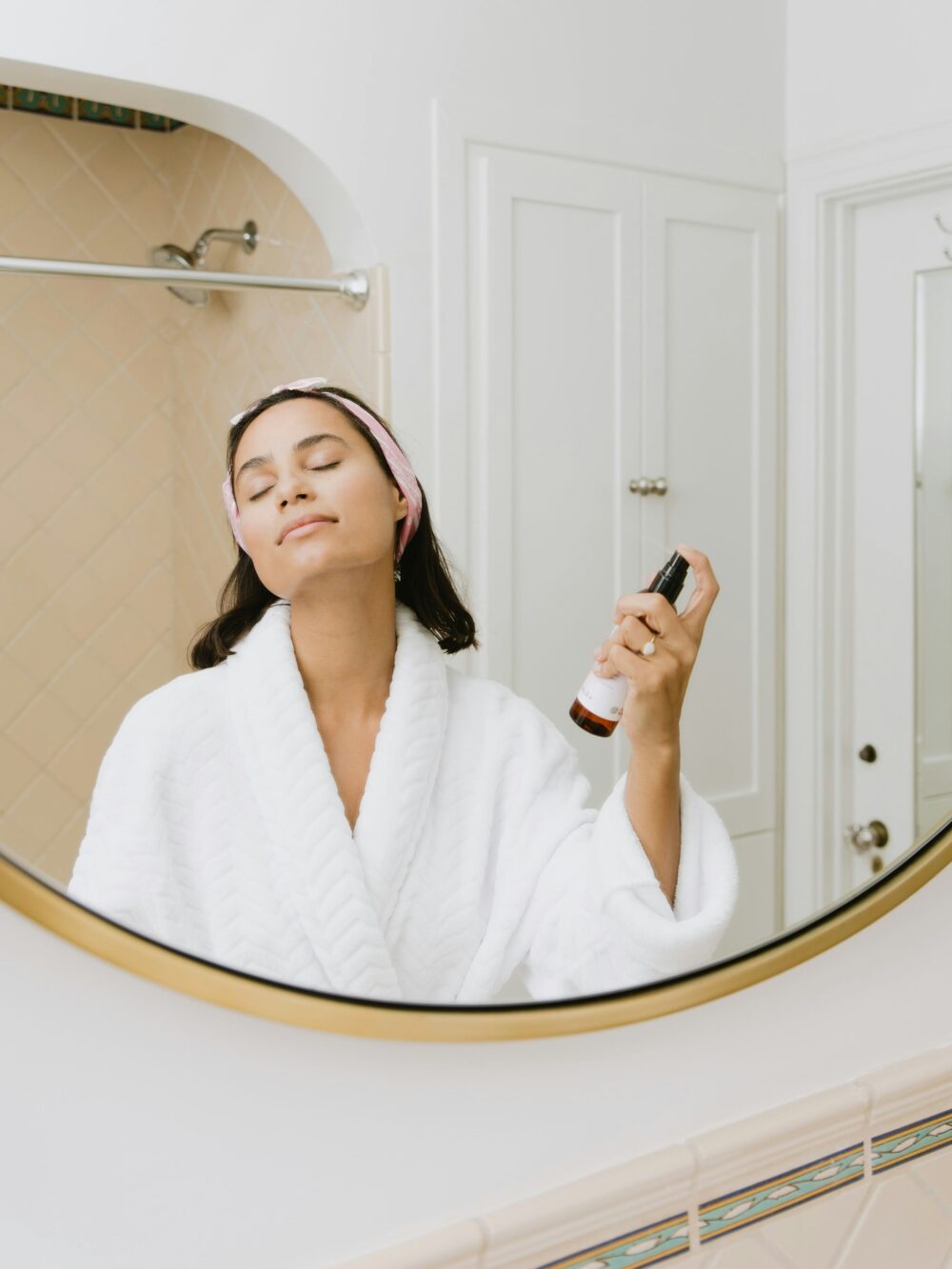
Having an evening routine is important for relaxing and signalling to your brain that it’s time for bed. Set a New Year’s resolution to stick to the same calming ritual every night. Start by organising what you’ll need in the morning. Lay out your clothes, pack your lunch, and then enjoy some screen-free time, such as a warm bath, your skincare routine, or applying essential oils for sleep. Not only will this help you wind down, but it will also set you up for an easier and less stressful morning the next day.
Our environment can play a big part in how well we sleep. In our Sleep Survey, 24% of people noted that they can’t sleep because they’re too hot, while 23% said they struggle to get comfortable. Combat this by making sure your room is dark to eliminate any light that could keep you awake. Additionally, ensure your room is cool and comfortable. Aim for a temperature of 18–21°C, which experts recommend as the ideal range for sleep.
If you tend to get cold at night, try wearing an extra layer or investing in bedding for colder weather. If overheating is an issue, why not check out our tips for staying cool while sleeping?
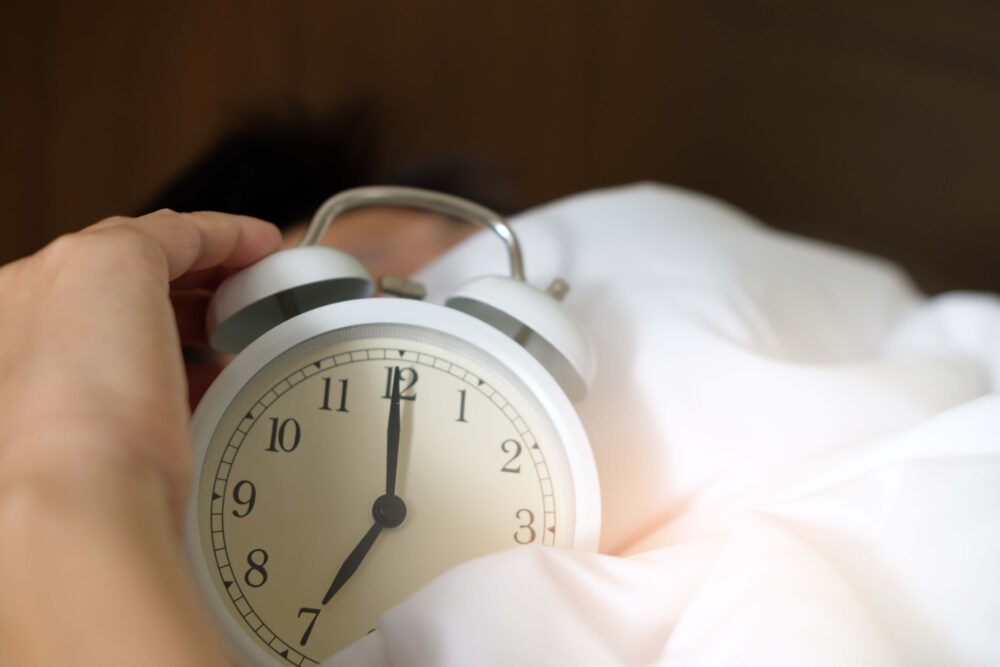
A great New Year’s resolution is to be consistent, especially when it comes to sleep. Going to bed and waking up at the same time each day helps support your circadian rhythm. You’ll naturally feel tired at the same time every evening, making it easier to fall asleep and feel more alert in the morning.
Use our helpful Sleep Calculator to work out your ideal bedtime and wake-up time for the New Year.
Caffeine is a common culprit behind restless nights. For your New Year’s resolution for better sleep, try cutting down on coffee, tea, and energy drinks after midday. Even decaf versions can sometimes contain traces of caffeine, so make sure to check. Reducing caffeine not only helps you fall asleep faster but also improves sleep quality, letting you wake up feeling refreshed.

Participating in Dry January is an excellent New Year’s resolution idea to improve your sleep. Alcohol might help you fall asleep faster, but it reduces REM sleep and can cause you to wake up during the night. Taking a break from alcohol in January can reset your body’s natural sleep rhythms, making it easier to maintain healthy sleep patterns throughout the year.
If you’ve tried everything and still struggle to sleep, it might be worth having a chat with your GP to rule out sleep disorders such as sleep apnoea, restless leg syndrome, or insomnia. Identifying and treating underlying conditions can dramatically improve rest. Making this a New Year’s resolution ensures you prioritise your health and tackle any issues that could prevent you from enjoying restorative sleep for the rest of the year.
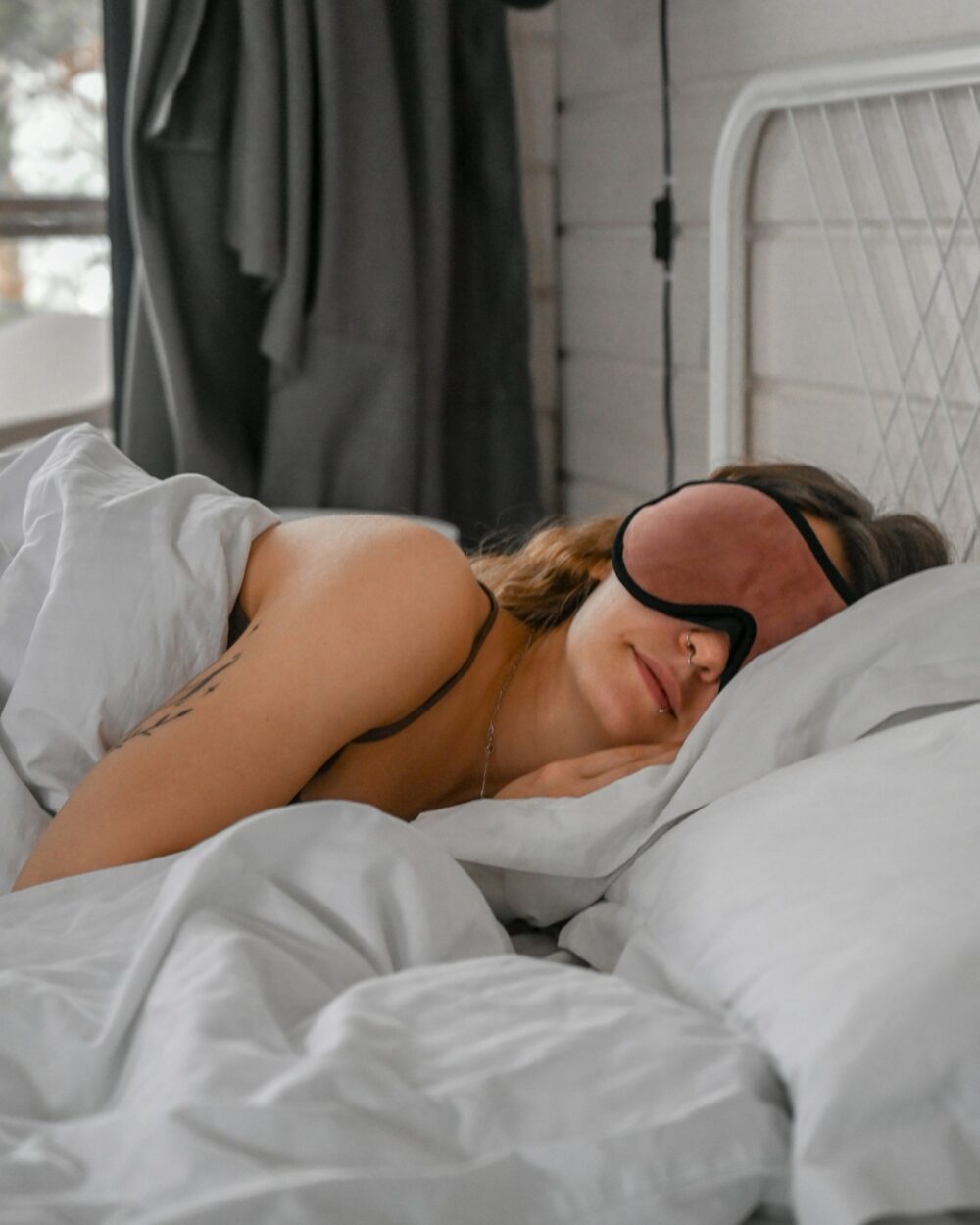
Your mattress and pillows form the foundation of a good night’s sleep. As a New Year’s resolution, consider investing in high-quality bedding that supports your body and reduces discomfort. A mattress that is too soft or worn out can cause back pain, while old pillows may lead to neck strain. Upgrading these essentials ensures better spinal alignment and enhances sleep quality, making this one of the most impactful New Year’s resolutions you can make for your rest.
A New Year’s resolution is a commitment to improve an aspect of your life in the year ahead. Many people use this opportunity to set personal goals, from health and fitness to sleep habits. Choosing achievable targets, like improving your bedtime routine, limiting caffeine, or upgrading your mattress, can make these resolutions realistic and rewarding. Exploring different New Year’s resolution ideas for sleep is a great way to start 2026 feeling refreshed and focused.
Focusing on your New Year’s resolutions to improve your sleep can ultimately help enhance your overall health. A lack of sleep can lead to increased anxiety and negatively impact your focus, concentration, memory, problem-solving, judgment, and overall mood. While some New Year’s resolutions, such as eating healthily or being more active, have a wider impact, they all affect your sleep.
If you want to improve your sleep in the New Year, start by focusing on one or two new habits, such as limiting screen time and creating a bedtime routine, or eating healthily and exercising. No matter which New Year’s resolution you choose, try to stick to a plan and set measurable goals. If you find yourself slipping, don’t get discouraged; just try again the next day. Soon, you’ll be sleeping soundly and waking up feeling refreshed and ready to tackle the year ahead.
For more tips, read our article on how to sleep better at night.