How to Keep Cool at Night
11 Min Read |
Last Modified 30 July 2026 First Added 10 July 2015

We all look forward to long summer days and hot weather. But the sweaty, sleepless nights? That’s another matter.
A key part of falling asleep is allowing your body temperature to drop. This regulation of your core temperature is also essential for avoiding broken sleep. And with 24% of the nation reporting disturbed sleep due to feeling too hot in our Sleep Survey, we highly recommend exploring tips to stay cool at night. To help, we’ve identified 30 ways to do exactly that:
The lowdown: Keeping cool is about your body, your bed and your room. Cool your skin with a cold flannel or your feet out of the covers. Switch to lightweight cotton bedding and a breathable pillow. Shut the blinds by day and get air moving at night. And go easy on big meals, alcohol and late exercise, which all warm you up.
Freeze a damp flannel and take it to bed. It keeps you cool as you drop off, especially if you rest it on your forehead. The blood vessels there sit close to the surface of your skin, so cooling them makes a real difference to how hot you feel. For all that, the old wives’ tale about losing 80% of your heat through your head isn’t true. It’s nearer 10%, which makes sense given the head is only about 7% of your body’s surface. If a frozen cloth doesn’t appeal, neck cooling tubes do a similar job. Freeze them and pop them around your neck.
Fill a hot water bottle and pop it in the freezer for a bed-friendly ice pack. Water expands as it freezes, so don’t fill it to the brim or it may burst. Once frozen, wrap it in a towel and cuddle up to it, or rest it on the parts of you that run hottest, like your chest or the backs of your legs.
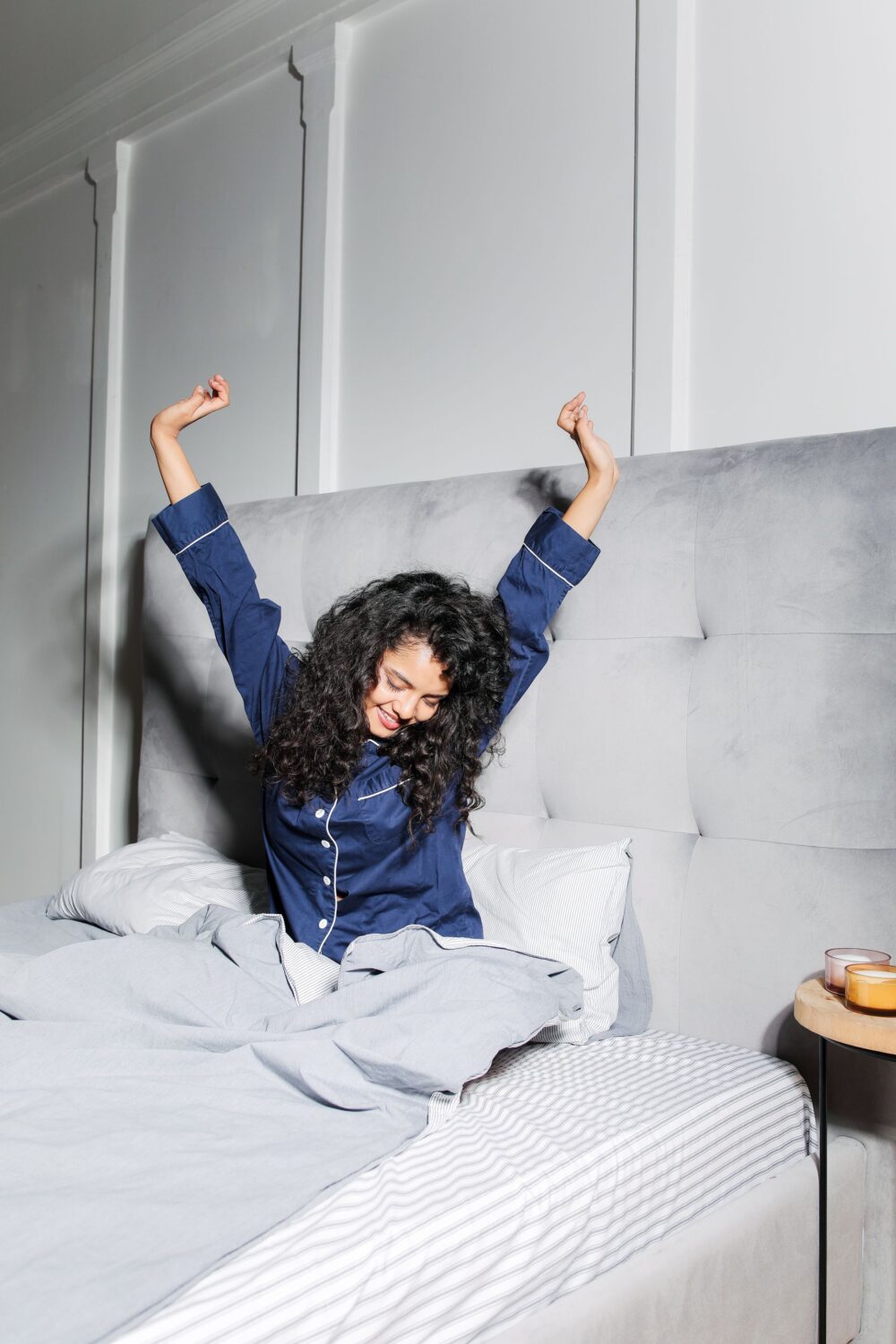
If you’re one of the 44% of us who sleep in pyjamas, go for a loose cotton style that wicks moisture and lets your skin breathe. Synthetics like nylon and silk feel soft but trap heat. The 18% who sleep naked should know it can actually leave you hotter, since there’s no moisture-wicking fabric between you and the sheets. Either way, natural materials like cotton are your friend, for your bedding as much as your nightwear.
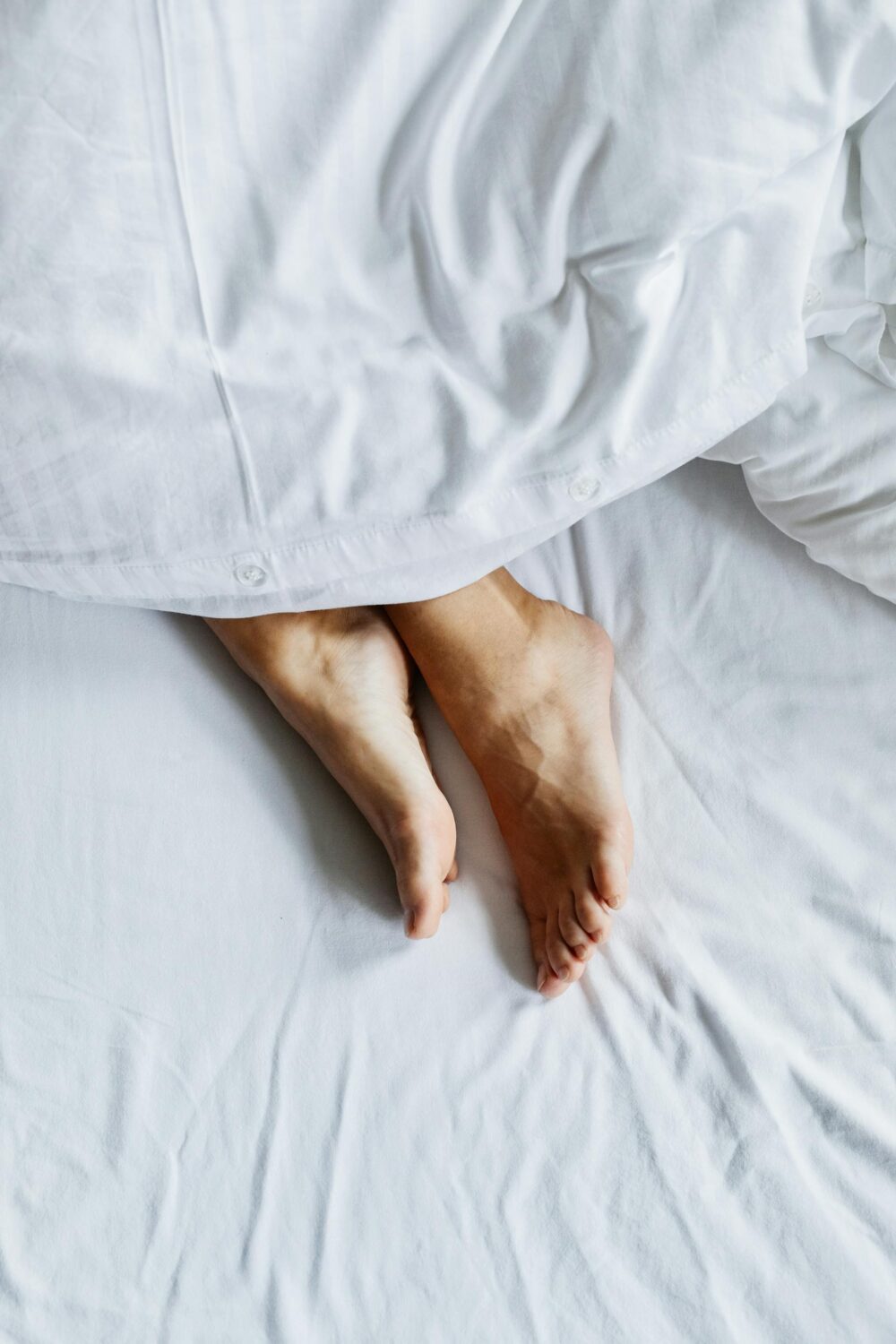
Some of your biggest pulse points are the tops of your feet and the insides of your ankles. Bringing blood to the surface of the skin is one of the main ways your body cools itself, a process called vasodilation. Cooling these spots lowers your core temperature quickly, so keeping your feet out of the covers and skipping socks can help you stay cool all night.
The Egyptian sleeping method means wrapping yourself in a damp sheet to bring your body temperature down. Put your sheets on a quick spin so they come out damp but not soaking, then make the bed as usual. The damp fabric feels cool against your skin, though the wet sensation isn’t for everyone. Damp towels are a halfway option if a full sheet feels like too much. Legend has it that the ancient Egyptians used the trick on hot nights.
Smaller, more frequent meals generate less heat, since heavy meals full of dense protein and carbs take more energy to digest and push your body temperature up. Swap a heavy dinner for lighter options like salads, fish and rice, which in summer help keep you hydrated too.
Timing matters as much as what’s on the plate. Try to finish eating at least an hour and a half before bed, so your metabolism has done most of its work before you turn in. A busy metabolism raises your heart rate, blood flow and body temperature. If you do need a snack, something cooling like yoghurt or cold fruit is ideal, and these double as foods that help you sleep.
Drink enough through the day and into the evening, especially after time in the sun, when your body works harder to keep cool. A glass of ice-cold water before bed can help bring your temperature down from the inside.
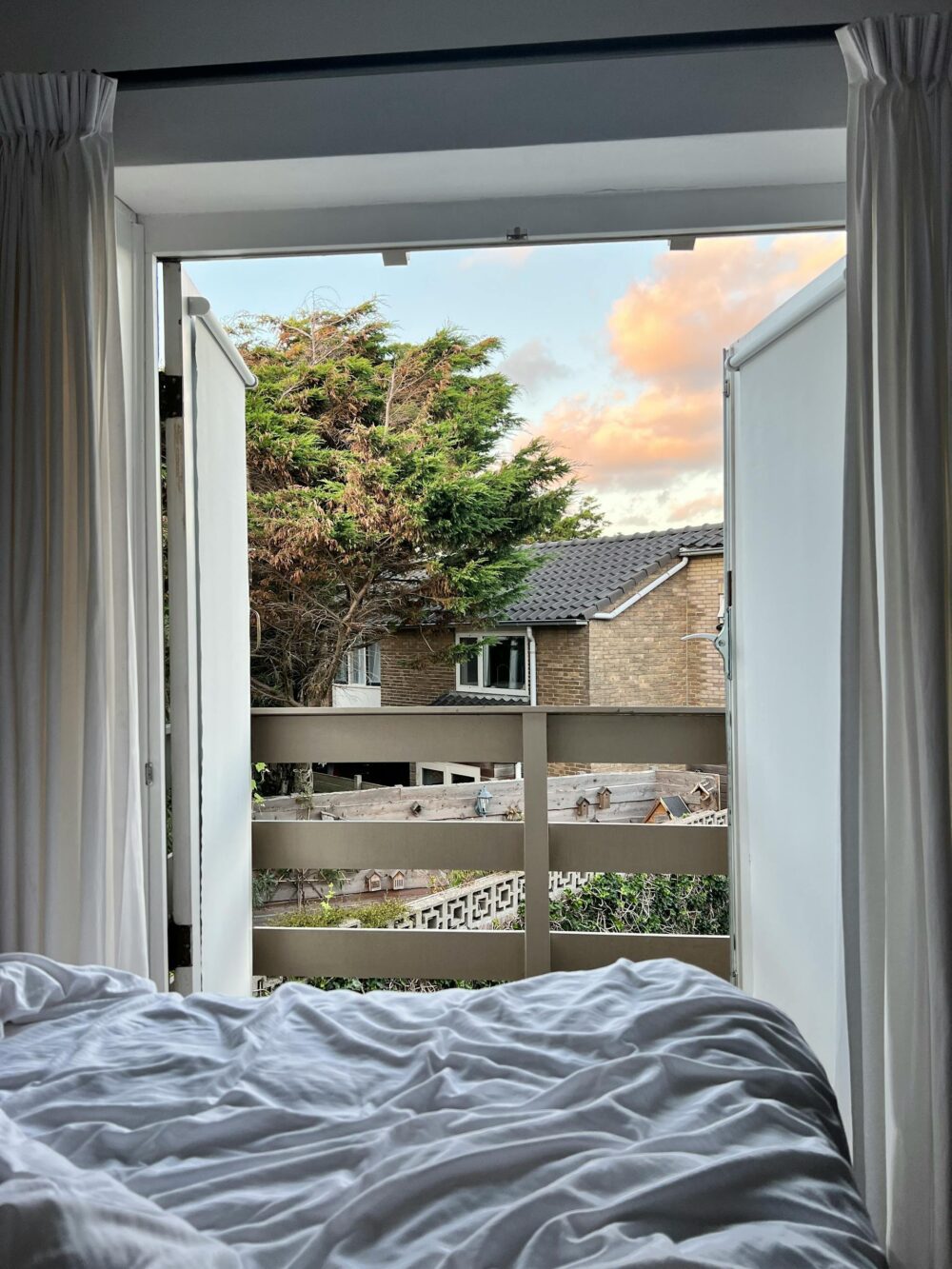
Keep air moving through your bedroom. Face a fan towards an open window with your bed in between, so hot air gets pushed out and cooler air drawn in. A ceiling fan set to turn anti-clockwise pushes cool air down for a wind-chill effect.
For a DIY air-con unit, set a bowl of ice cubes in front of a fan. As the ice melts it cools the air the fan blows over it. Prop the bowl up so as much air as possible passes over the ice. Pair it with a second fan pushing hot air out of the window and you’ve got cool air coming in and warm air going out.
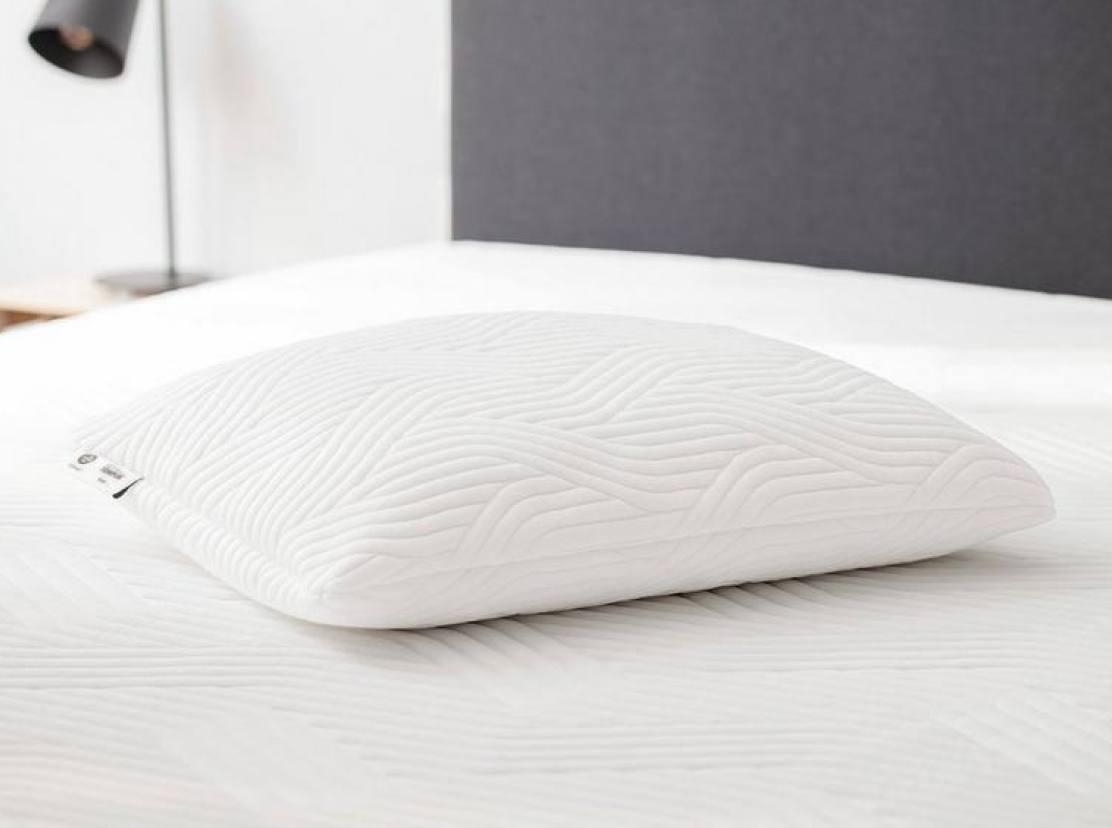
Swap a big fluffy pillow for a smaller, more breathable one. Your head is one of the hottest parts of your body, and a thick pillow traps that heat. A looser cover and breathable filling let air move through. For the full effect, it’s worth looking at cooling bedding.
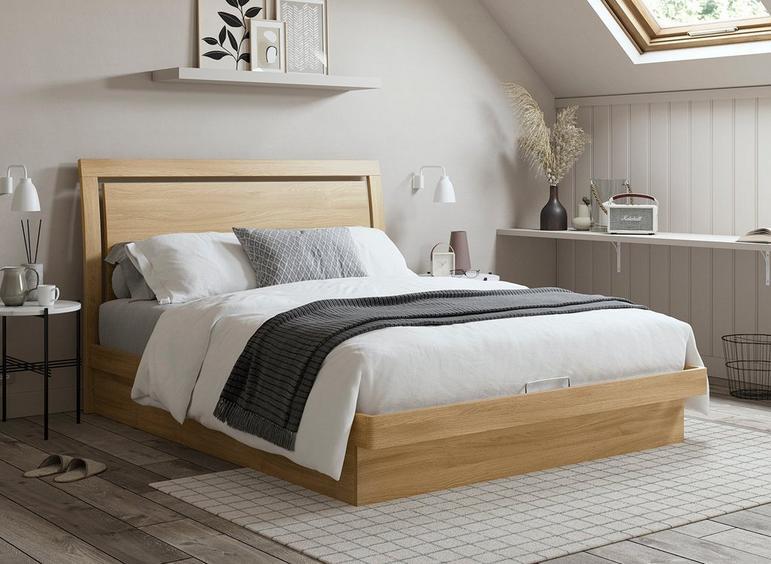
Heat rises, so a low platform bed keeps you nearer the cooler air at floor level. If you really feel the heat, moving to a ground-floor room for the summer can help too.

Light-coloured, lightweight linen keeps a bed ventilated. A summer duvet with a lower tog rating helps heat escape too, with 2.5 to 4.5 tog ideal for warm months. The Dream Team Ultimate Washable 4.5 Tog Duvet is a good shout. Smartfil® duvets are uniquely designed to feel ultra-light and breathable. Save the thick winter duvet for colder nights, or keep a blanket you can kick off in the small hours.
Mattresses are big, dense things that trap body heat. Natural, breathable materials like bamboo or wool wick moisture and let air move, so you stay cooler. A traditional straw mat is the extreme version, though it’s not the comfiest thing to lie on. For a better balance, plenty of natural mattresses pair cooling eco materials with the support of pocket springs.
An older mattress can hold onto heat. Modern ones with temperature-regulating technology are built to breathe. Gel and latex mattresses are good at keeping things cool, while standard memory foam tends to run warm. Look for thermo-regulating designs like the TheraPur ActiGel range, which has an open structure that lets air flow through.

Hanging in a hammock lets air flow all around you, with far less material underneath to trap heat. The gentle sway can help you drop off faster too, which is a bonus on a sticky night.
A shower or bath before bed helps bring your core temperature down. Research shows cold showers cool you best on a hot day, though they aren’t everyone’s cup of tea, so lukewarm water is a gentler option. A warm shower sounds counterintuitive, yet it works too. One study in the Journal of Clinical Sleep Medicine found that warm bathing before bed leads to a faster onset of sleep.
Closing the blinds during the day keeps the sun’s heat out, as long as the heating is off too. Open the window first to let any warm air escape, then shut the blinds. Leaving the window cracked with the blinds down helps even more.
A regular exercise habit does wonders for sleep, and the morning is the best slot on hot days. Johns Hopkins points to research showing daily exercise eases sleep problems. Working out close to bedtime, though, raises your body temperature right when you want it dropping, so getting it done early keeps the heat away from your wind-down.
Sunburn makes it much harder to cool down at night, since burnt skin radiates heat. If you’re out in the sun, stick to the shade where you can, wear a hat and put sun cream on. If you do catch the sun, aloe vera or after-sun takes some of the heat out of it.
Like a frozen flannel or water bottle, frozen socks can help. Your body lowers its temperature before sleep, especially through the feet, so cold socks give that process a head start. Pop a clean pair in the freezer and put them on as you get into bed.
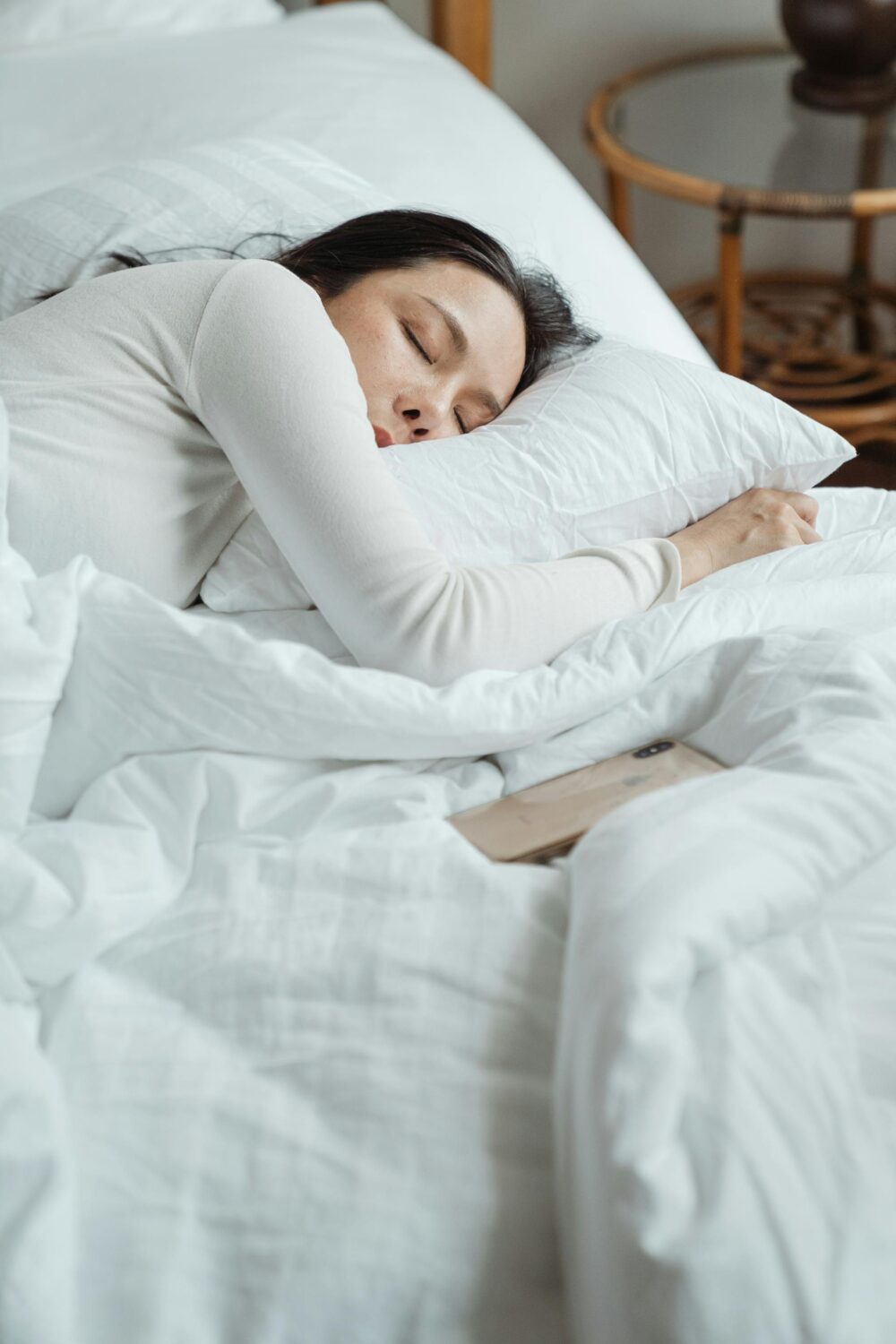
Two bodies in one bed make a lot of heat. On a sweltering night, splitting up for a few hours keeps you both cooler, and you avoid being woken by each other’s tossing and turning. You wouldn’t be alone in preferring it. A quarter of people who share a bed told our survey they sleep better without their partner in it, and 11% already sleep in separate rooms.

Alcohol works against you on a hot night. As your body processes it, your temperature rises, which is part of why it can bring on night sweats. It’s a diuretic too, so it dries you out and leaves you waking up parched at 3 am. A nightcap might help you nod off, but you tend to pay for it later in the night.
A steady routine trains your body to know when sleep is coming, and part of that is your core temperature dropping on cue. Keep your circadian rhythm in check and you’re less likely to wake up hot and restless in the small hours.
If you tend to wake up hot or get night sweats, a spray bottle of cool water by the bed gives quick relief without getting up. Add a little lavender, which can help you fall asleep faster.
Pop your pillowcase in a plastic bag and leave it in the freezer for half an hour before bed. Your head and face help cool you down, which is why we all love the cold side of the pillow. You can do the same with your sheets for a cooling cocoon to fall asleep in.
Your pulse points, like your neck, wrists and temples, are places where you can feel your heartbeat, and they respond quickly to a change in temperature. Press a frozen water bottle or flannel against them to cool yourself down fast.
A refreshing salad with your evening meal can help you sleep in the heat. Water-rich fruit and veg like cucumber, celery, watermelon, oranges and leafy greens keep you hydrated, and staying hydrated helps your body manage its temperature overnight.
On hot days, a walk once the temperature drops outside is a good way to cool off, especially if your home holds onto the heat. The cooler air and gentle movement help you unwind and shed the tension of the day, ready for a more restful night.
Most UK homes don’t have built-in air conditioning, so a portable unit is worth considering for a heatwave. It’s a bit of an investment, but it cools a bedroom quickly and can make a real difference to your sleep on the hottest nights.
Whether you’re freezing a water bottle or sleeping like an ancient Egyptian, these tips should help you stay cool and sleep soundly through the warmer months. For deeper, more restful sleep all year round, take a look at how to sleep better at night.
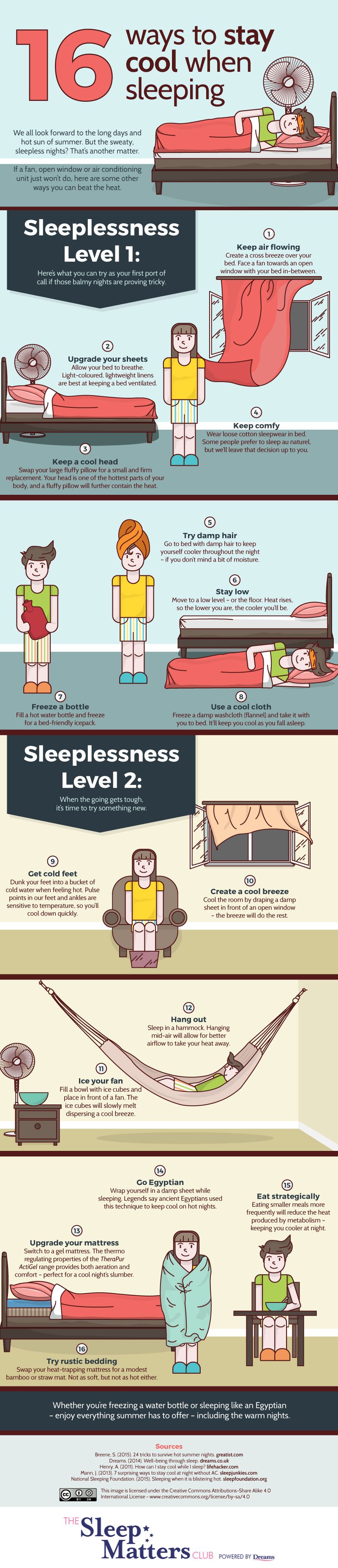
Before you go, here’s our infographic with some of our favourite ways to stay cool at night.