Bed Buying Guide
Last updated: November 2026
Types of beds
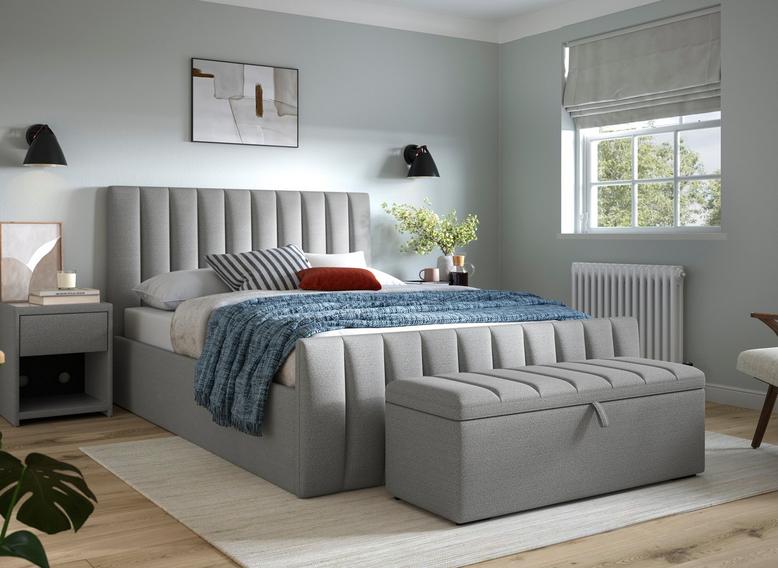
Beds come in all sorts of shapes, structures and materials. The structure decides how a bed works day to day, from lift-up storage to a base that moves. The material sets the look and feel of the whole room. Here are the main bed types to know about.

Ottoman beds
What is an ottoman bed? An ottoman bed has a base that lifts up from the side or the foot end to reveal roomy storage space underneath. Great for hiding away clothing, spare bed linen and shoes, an ottoman is one of the best options if you want as much storage as possible. Our ottoman bed guide explains how they work in more detail.

Divan bed bases
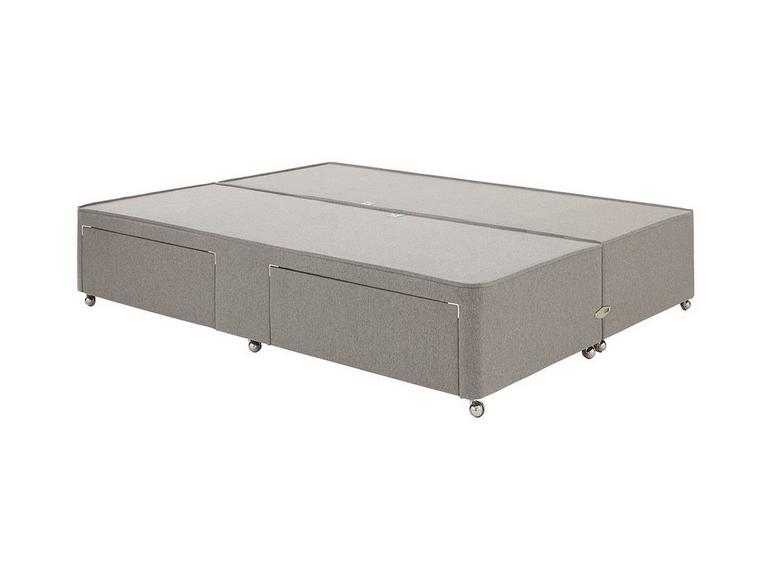
What is a divan bed? A divan is an upholstered box base that your mattress sits straight on top of, often with a matching headboard. Most divan bed bases come with drawers that slide out of the side of the bed. Neat and efficient, many people love the divan for its hidden storage and how easy it is to reach your belongings. With many divan bed bases, you can also choose the number of drawers you need, so all of life’s extras stay close at hand. Find out more in our divan bed guide or compare divan beds vs ottoman beds.

Wooden beds
Classic and simple, wooden beds have been popular for many years. Get the rustic look with natural wood stains like oak or pine that bring warmth to the room. Or you could choose a neutral white wooden bed frame for a versatile option that will easily complement your bedroom décor for years to come. Compare the options in our wooden bed buying guide.

Fabric beds
Upholstered bed frames add a touch of luxury to your bedroom with plush, soft-touch materials like velvet, cotton, and twill. It’s easy to take the comforting feel of your bedroom to the next level with a fabric bed. They are available in a range of colours and styles including soothing grey, rich navy, and pretty pinks, so you can pick one that expresses your personality. Explore the full range of fabrics in our upholstered bed guide, or learn whether a fabric or wooden bed is better for you.

Leather & faux leather beds
Leather and faux leather bed frames are a modern choice that add a statement finish to any room. Smooth to the touch, they give a luxurious look and can be easily styled in glamorous bedrooms. They also look great with contrast textures, like faux fur and chunky knits.

Metal beds
Sturdy and stylish, metal bed frames became popular during the Victorian era and have remained a timeless choice ever since. As metal is malleable, you’ll have many looks to choose from. Discover opulent, elegant designs to add an ornate vintage look, or simple, sleek lines for a contemporary feel. Read our metal bed buying guide for more detail on the different designs available.

TV beds
Our TV beds are made to impress with a range of fun and practical features. 55% of us spend the hour before bed watching TV, so why not get cosy as you unwind? Browse the range to discover beds with hidden TVs, sound systems, and USB charging ports. Learn more in our TV bed buying guide.

Adjustable bed bases
Adjustable bed bases have a motor that raises the head and foot sections at the touch of a button. They’re great for those with mobility or pain-related issues. Pick a position for reading, lounging or sleeping, then change it again whenever you like. An adjustable base needs an adjustable mattress that can bend with it, so check it’s compatible before you buy.

Storage beds
Short on cupboard space? Storage beds come in lots of styles, from lift-up ottomans and divans with drawers to wooden and fabric frames with drawers built into the base. A storage bed is a handy home for winter duvets, spare pillows and that box of cables nobody wants to sort. Our storage beds guide explains each style in more detail.

Guest beds
If you regularly host overnight visitors, guest beds give friends and family a proper place to sleep. Choose from folding beds that tuck away in a cupboard, trundle beds, day beds and sofa beds that double up as extra seating space. Our guest beds guide and our picks of the best guest beds for small spaces can help you choose.

Sofa beds
A sofa by day and a bed by night, a sofa bed is a smart pick for living rooms, home offices and box rooms. Mechanisms vary, from pull-out frames to clic-clac styles that fold flat in one move. Use it as your regular TV-watching spot, then pull it out when guests arrive. Our sofa bed buying guide explains how each type works.
Gaming beds
According to our 2026 UK Sleep Survey, 11% of UK adults game in bed before they go to sleep. Gaming beds are built for exactly that. Our range includes an RGB ottoman TV bed, plus a gaming bunk bed and high sleeper for younger players. Looking for inspiration on how to decorate your room to match? Take a look at our gaming bedroom ideas.
Types of kids' beds
Just like adults, kids have tons of bed frames to choose from. If you’re not sure what type of bed is best for kids, this section will help you decide. The most important factors are age and height. For younger children, a smaller bed with sides is safest before moving to a full-sized bed.

Cabin beds
Cabin beds are similar to bunk beds but lower to the ground. They usually come with a desk or storage options below the bed depending on your needs. Perfect for a multifunctional room, this gives your child a space for homework and other activities that's separate from the bed to help them sleep soundly without distractions.

Trundle beds
What is a trundle bed? A trundle bed is a single bed with a second, lower bed frame that pulls out from underneath, usually on castors. Slide it out for sleepovers and visiting cousins, then push it back so the floor is free for play. A trundle bed is a clever pick for smaller rooms that need a spare sleep space now and then.

Bunk beds
Bunk beds are not only great for children who share a room, they’re a good solution for storage too as they free up floor space, or, if it’s a single bunk, you can store things underneath. Discover our range of bunk beds including metal frames, wooden frames, and convertible frames. Read our bunk bed safety guide for more help choosing the right one for your child.

Mid sleeper beds
Slightly lower than a high sleeper, mid-sleeper beds are great for younger children or if you only need the one bed. Many mid-sleepers are cabin beds that come with extra storage in the space below such as drawers, desks, and even pull-out sofas.

High sleeper beds
A high sleeper bed, also known as a loft bed, offers not just comfort and support, but a safe, secure and fun space for your child to chill out and sleep. As the name suggests, high sleepers are built high with a top bunk sleeping area and plenty of space below. Our guide on how to choose between a high sleeper and mid sleeper explains the differences between the two.
Discover our full kids’ beds range to find the perfect match for your family. Our guide on how to choose your child's first toddler bed can help get you started.
Types of bed bases
As well as the type of frame, there are a few different types of bed base to choose from: sprung slats, solid slats or a divan base. Many of us are familiar with slats as these are the most common, but are they right for you? Let’s compare sprung slats vs solid slats, plus divan bases, to find out the pros and cons of each.
Sprung slats
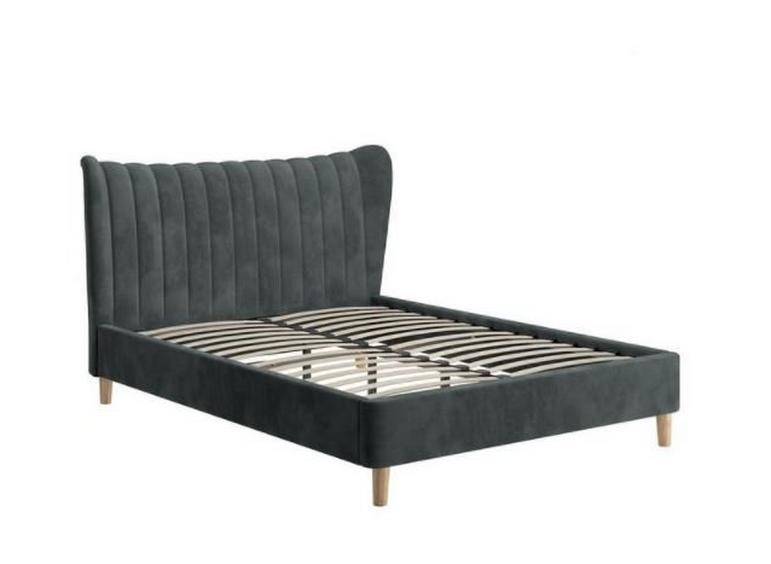
Sprung slats are an upgrade from solid slats. The bars are slightly curved upwards, which gives them some spring so they can provide reactive support to your movements while you sleep. This shock absorption helps you sleep better at night and takes some of the pressure away from your mattress so it lasts longer.
Solid slats
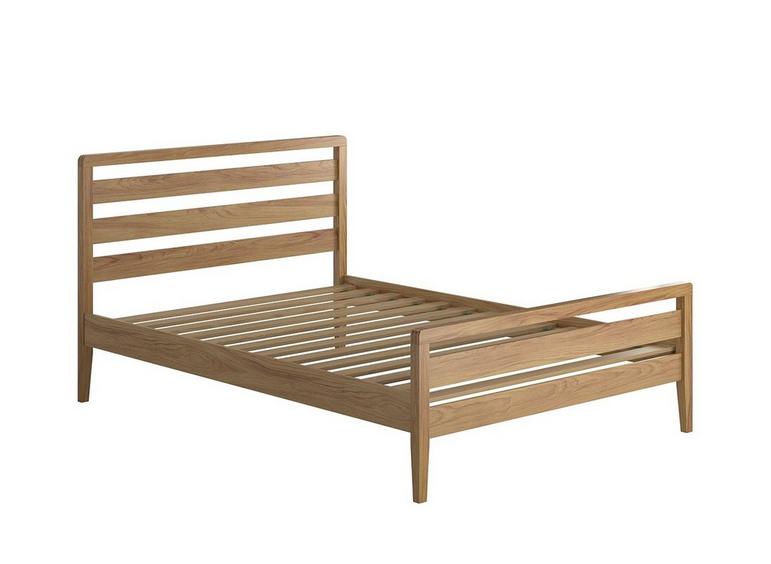
Solid slats are bars of timber spaced across the bed frame to support your mattress. As the name suggests, solid slats are indeed solid and fixed in place with no give. We recommend looking for slats between 7.5 - 9cm apart, to ensure your mattress has enough support. Overall, solid slats are a good choice for providing a sturdy base for your mattress for a firmer feel, and the spacing encourages airflow which is vital for a cool night’s sleep. Slatted bed frames also tend to be more affordable, making them a great option for spare rooms.
Divan bed bases
Lastly, we have divan bed bases. These come in two styles: platform and spring. Platform bases have a solid top which offers firm support and a sturdy base for your mattress. Spring bases have built-in springs to offer a more cushioned and softer base for your mattress. Depending on how much support you need at night, you might want to consider the firmness of your mattress when deciding what kind of divan bed base to get.
How to choose a bed
Still wondering what type of bed you should buy? The answer depends on your room, the way you sleep and how much storage you need. Work through these considerations to build your shortlist.
- Measure your room: Measure the space before you fall for a frame. Leave enough room to walk around the bed and to open wardrobe doors, drawers or an ottoman lid.
- Pick the right size: Think about who sleeps in it, from a solo starfish to a couple with kids that regularly sneak in. Our bed and mattress size guide lists the dimensions of each UK size.
- Decide how much storage you need: If cupboard space is tight, an ottoman or a divan with drawers can hide away bedding and clothes. Check which side the drawers open so furniture won’t block them.
- Choose your base: Sprung slats give a little bounce, solid slats feel firmer and divan bases come in platform or sprung styles. Each one changes how your mattress feels.
- Think about height: A taller bed can be easier to get in and out of, while a lower frame may suit a smaller room. Our bed height guide explains the options.
- Match your style: Wood, metal, fabric or faux leather? Pick a material and colour that suits your room today and will still feel like you in a few years.
- Check the route in: Measure doorways, stairs and tight corners before delivery day. This matters most for bigger sizes, such as king size beds and super king beds.
- Set your budget: Decide what you’d like to spend before you start browsing. Our cheap beds range is a good place to start if you’re watching the pennies.
- Pair it with the right mattress: A bed frame and mattress work as a team. Our personal comfort guide can help you find the firmness that suits the way you sleep.
How often should you replace your bed frame?
We recommend getting a new bed frame around every 10 years, although a high-quality frame can last up to 20. On average, UK adults have had their current bed frame for just over nine years, according to our 2026 UK Sleep Survey. Bed frames generally last a long time, so it might have been a while since you last had to replace yours. Before you buy, think about why you need a new one, as the answer can shape what you get this time around. For example, if your bedroom feels a little cluttered, it may be time to downsize or switch to a frame with built-in storage.
Signs you need a new bed
Age is only part of the story. A frame that has seen better days often starts to show it in the way it sounds, feels and looks. Signs you need a new frame include:
- It squeaks or creaks when you move around
- It sags in the middle
- You wake up with backache (our guide to sleeping with back pain has more on this)
- Slats are cracked, bowed or keep slipping out of place
- The frame wobbles, or the joints feel loose even after tightening
- Upholstery is worn, torn or stained, or metal is starting to rust
- Your mattress is wearing unevenly or no longer fits the frame properly
- You need more space for a partner, a growing family or a dog who hogs the bed
- You need more storage than your current bed can offer
- It doesn’t suit your bedroom anymore
Ticked off a few of these? Browse our full range of beds, or pop into your local store and try a few for size.


