What’s the Best Temperature for Sleep?
10 Min Read |
Last Modified 30 July 2026 First Added 25 November 2024
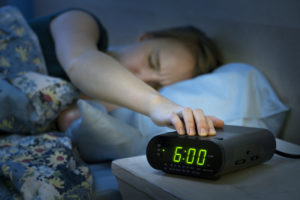
Whether you’re struggling to fall asleep in the heat or you can’t stop shivering on a chilly winter night, bedroom temperature has a bigger impact on your sleep than most people realise. It can affect not just how easily we drift off but also the quality of our rest and how refreshed we feel in the morning. So, what’s the ideal sleeping temperature?
Sleep experts agree that the ideal temperature for sleep falls between 15.6–18.3°C (60–65°F). While these figures can vary slightly for babies and the elderly, for most adults, staying within this sweet spot will give you the best chance of waking up feeling refreshed.
Your body doesn’t just switch off when you go to bed. It’s busy regulating itself. Everyone has an internal clock, otherwise known as the circadian rhythm, which regulates when we feel sleepy, awake, and everything in between. Part of that process involves thermoregulation; your core body temperature drops by around 0.5-1°C, which signals to your brain that it’s time to sleep.
This cooling process is triggered by rising melatonin levels, which naturally start to increase a couple of hours before bed as light decreases. Your core temperature keeps falling throughout the night, reaching its lowest point in the early hours, then gradually climbs back up as morning approaches and melatonin reduces. That warming is part of what wakes you up.
Your bedroom temperature plays a direct role in supporting (or disrupting) this whole cycle. A room that’s too warm makes it harder for your body to lose heat. Too cold, and your body has to work harder to stay comfortable. Either way, your sleep suffers.
Most of us are familiar with this scenario. Lying awake, sheets kicked off, unable to settle. In our 2026 Sleep Survey, nearly one in four (24%) said being too hot is a regular reason for a bad night’s sleep, making it the third most commonly reported sleep disruptor after racing thoughts and stress.
High bedroom temperatures interfere with the body’s natural thermoregulation, making it harder for your core temperature to fall as it needs to. Research has shown that elevated core temperatures reduce the amount of deep sleep and REM sleep you get. This makes you more likely to wake up during the night and feel sluggish in the morning. Over time, consistently poor sleep affects the immune system, memory consolidation, and has been linked to chronic health conditions, including type 2 diabetes. It can also create a vicious cycle, leading to conditions like insomnia. Temperatures above 24°C are the most disruptive, but even a slightly warm room can chip away at your sleep quality.
If you regularly wake up soaked in sweat, our article on night sweats covers the potential causes and how to put a stop to them.
Sleeping in a cold room isn’t as disruptive to your sleep as being too hot, but it can still affect your slumber. Our Sleep Survey found that 13% of poor sleepers cite being too cold as a regular culprit – that’s roughly one in eight people.
When your bedroom temperature drops too low, your body has to divert energy into staying warm instead of progressing through natural sleep cycles, disrupting deep sleep and causing you to wake up in the night.
Very cold environments can disrupt the body’s normal sleep cycles, making it harder to maintain stable sleep. This can play havoc with your circadian rhythm, making waking up feel a lot harder. The struggle to get out of bed on freezing winter mornings isn’t just in your head. Temperatures below 12°C are generally considered too cold for comfortable sleep, so make sure your thermostat is set to a comfortable range of 15.6–18.3°C all year round.
For most adults, the optimal room temperature for sleep is 15.6–18.3°C (60–65°F). This range may extend by a degree or two for those who are naturally hot or cold sleepers.
What matters most is consistency. Changes in bedroom temperature from night to night make it harder for your body to maintain a consistent sleep rhythm.
The best bedroom temperature for adults
A room temperature between 15.6–18.3°C supports the natural drop in core temperature your body needs to move into deep sleep and REM cycles.
The best bedroom temperature for the elderly
As we age, our core body temperature naturally tends to be slightly lower than when we were younger, meaning older adults often need a slightly warmer environment to feel comfortable. Thinner skin, along with age-related medical conditions and medications, can also make it harder to regulate body temperature. Studies have shown that a room temperature between 20-25°C is ideal for creating the most restful and efficient sleep for older adults.
The best bedroom temperature for babies and young children
Infants can’t regulate their own body temperature as effectively as adults, so your baby’s bedroom temperature is extremely important to avoid both overheating and them becoming too cold. The recommended range for a baby’s room is 16–20°C. Anything above 20°C raises the risk of overheating.
Here are some suggestions for keeping your room at the perfect temperature for sleep:

In the warmer months, try using summer bedding and avoid heavy tog duvets or thick blankets that can trap heat. If you tend to overheat, opt for cooling fabrics to help regulate your temperature and keep you comfortable.
On the other hand, during the winter, a thicker duvet and a few extra layers of winter bedding might be just what you need to stay cosy. But be careful not to overdo it. Too many layers could make you too warm, causing those middle-of-the-night wake-ups.

It might sound surprising, but taking a warm bath before bed can actually help your body cool down and prepare for sleep. The warmth of the bath causes blood to flow away from your core and into your extremities, mimicking the natural cooling process your body goes through as it winds down for the night.
In fact, research shows that spending just ten minutes in a warm bath around one to two hours before bed can help you fall asleep faster and improve your sleep quality. It can even reduce the chances of waking up during the night, leaving you feeling refreshed and ready to start the day.

Just like your bedding, the pyjamas you choose can make a big difference to your sleep quality. Thick fabrics and synthetic materials tend to trap heat, causing your body temperature to rise and making it harder to settle into restful sleep. While that cosy, fluffy jumper is perfect for snuggling up before bed, it’s best to switch to something lightweight and breathable when it’s time to sleep. Opt for natural fabrics like cotton, which will feel comfortable and cool on the skin.
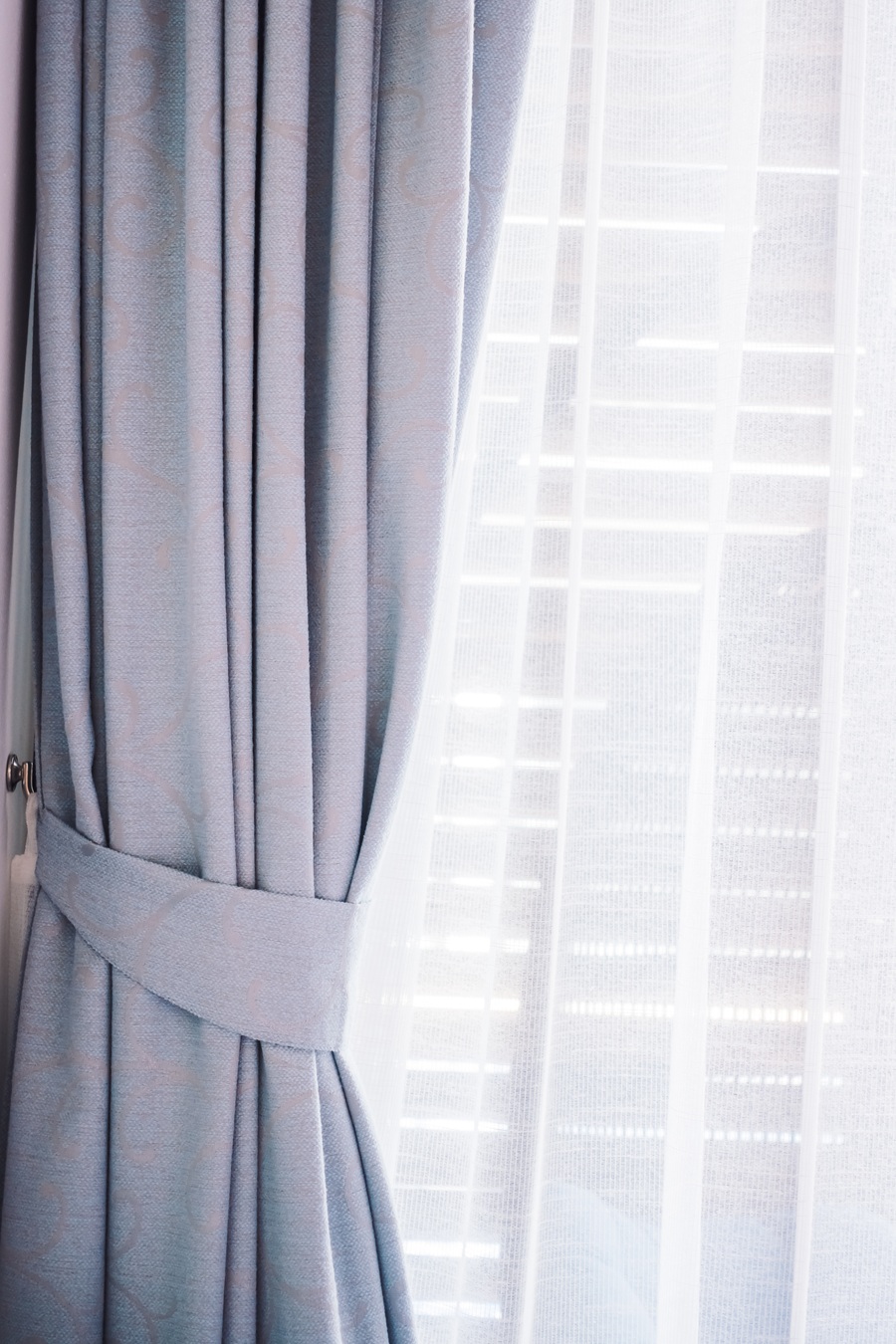
Curtains can be a great tool for regulating room temperature, as they minimise heat and airflow that can come through a window. Keeping them closed can not only prevent cold air from coming in during the winter, but it can also block out sunlight, which can increase room temperature during the hotter months.
Though sunlight is important for your circadian rhythm during daylight hours, keeping your curtains closed in the evening and in the run-up to bedtime can help keep your room at a comfortable temperature while you sleep.
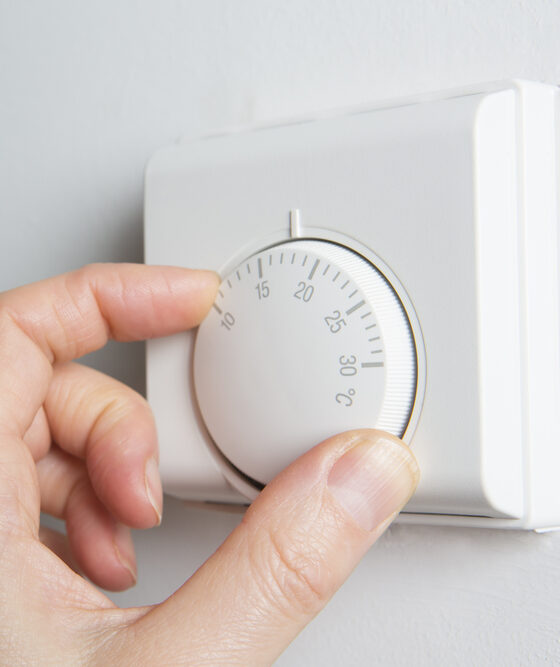
Though it may be tempting to crank the heating up on those crisp winter nights, make sure to turn it down a notch before you go to bed. Aim for a temperature between the recommended 15.6–18.3°C throughout the night to avoid heat affecting your sleep. If you need a bit of extra warmth to get cosy in bed, try using a hot water bottle to settle in, but make sure to remove it before you drift off. On hotter nights, if you don’t mind the noise, use a fan to keep cool.
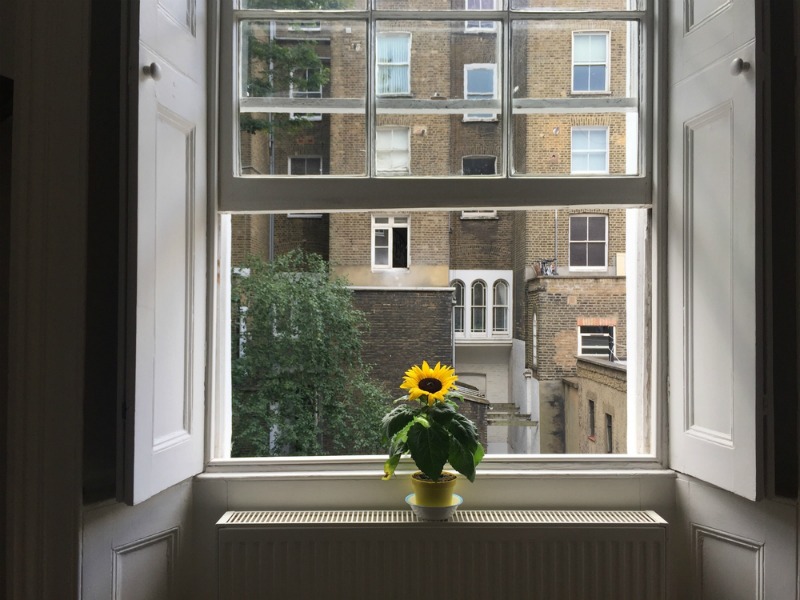
Particularly important in the summer, keeping a window open during the night encourages air circulation, lowering humidity that can cause a room to feel stuffy. Proper ventilation can help with body temperature regulation, supporting the natural drop in temperature as you fall asleep. If you live on a busy street and the noise makes keeping the window open challenging, try opening it for about an hour before bed to let in some fresh air.

A popular choice in many Scandinavian countries, using a separate duvet from your partner can make a big difference to your sleep. It prevents body heat transfer, allowing each person to regulate their own temperature and supporting individual circadian rhythms.
With separate duvets, you can also choose the tog that best suits you, optimising your sleep environment to your personal preferences.
Read more about the Scandinavian method and how it could improve your sleep.
The surface you sleep on can make a big difference in how well your body manages heat throughout the night. Different mattress materials handle temperature regulation in very different ways. Some of the best options for regulating your temperature are:
Read our guide to the benefits of a cooling mattress to find out more, or read our infographic on how to stay cool when sleeping for more tips.
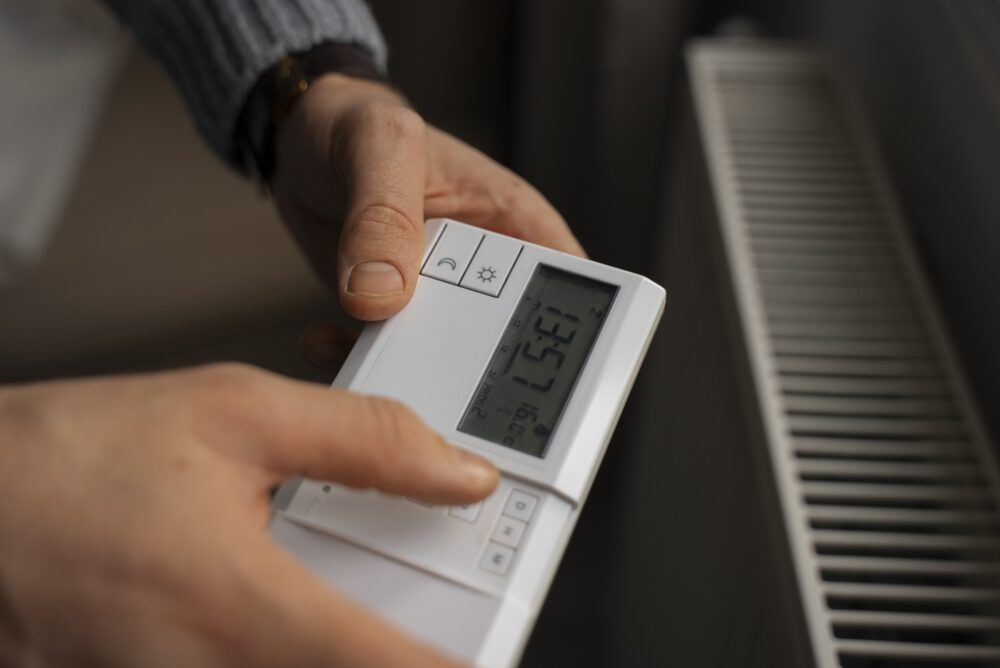
To ensure that your bedroom is at the optimal temperature for sleep, it can be useful to use your thermostat or a classic room thermometer. For the most accurate result, place your thermometer in the centre of the room, away from windows, doors, and radiators, as these could affect the reading. Since heat rises, avoid placing the thermometer too high, as it may give you an inaccurate temperature.
While we can’t control the weather outside, adjusting your bedroom environment can make a significant difference to your sleep. Keeping your room cool, well-ventilated, and consistent in temperature helps support your body’s natural circadian rhythm, making it easier to fall asleep and stay asleep through the night. Even small adjustments to bedding, clothing, or airflow can help create the ideal sleep environment.