15 Fun Sleepover Games
9 Min Read |
Last Modified 17 August 2026 First Added 25 November 2022
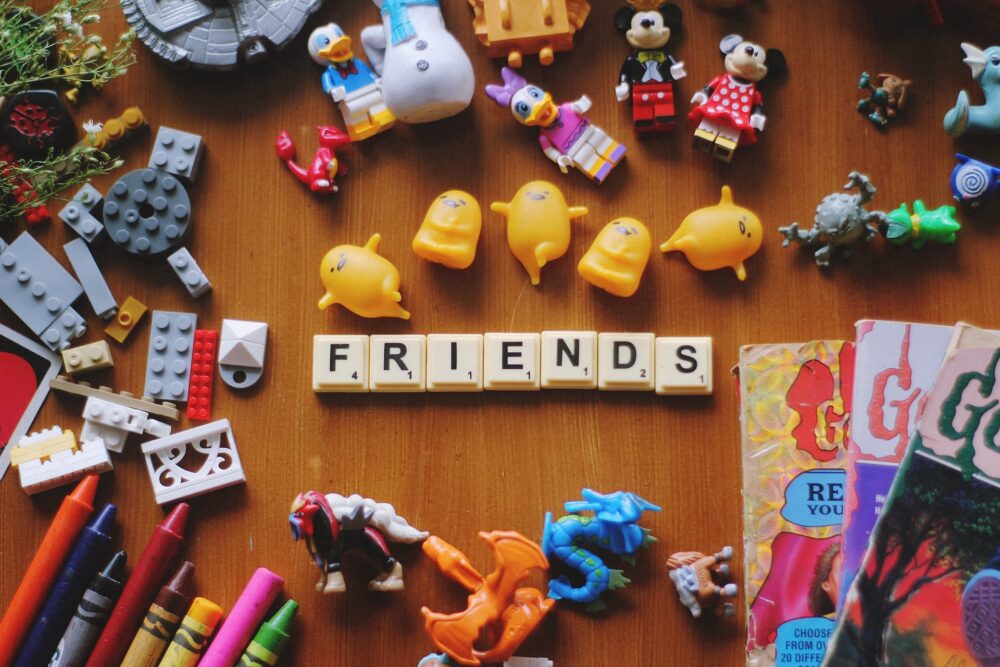
Sleepovers are a big deal when you are eight. Staying up past bedtime, whispering in the dark, laughing until someone gets hiccups. For the grown-up in charge, the tricky part is the running order. Too many wild games too late, and nobody sleeps. Too many quiet ones too early, and they are bored by nine.
So here are 15 sleepover games that work, grouped by how much noise they make, with a rough plan for the evening at the end.
The lowdown: Front-load the loud games and save the quiet ones for the last hour. The NHS suggests a wind-down routine of around 30 minutes before bed for younger children, and that screens be turned off 30 to 60 minutes before lights out. Nobody expects a sleepover to run to the usual bedtime. Keeping that last stretch calm is still what gets everyone drifting off rather than still going at midnight.
Two things matter more than the game itself. How old everyone is, and what time it is.
Mixed age groups are the usual challenge. A seven year old and a twelve year old want very different things. The games that work best across a wide age range are the ones with no real skill involved. Musical statues, scavenger hunts and hide and seek all pass this test. Anything competitive tends to end badly when the age gap is wide.
Timing is the other half. The loud games belong early, while the calm ones do the actual work of getting everyone to sleep. We have grouped them below so you can work down the page as the evening goes on.
These are for the first couple of hours, while everyone is still bouncing.
Ages 4 and up. Any number of players. Clear a space, put some music on and let everyone dance. Stop the music at random, and everyone has to freeze. Anyone who moves is out. Last one dancing wins.
It works with almost any age group, and it needs nothing but a speaker. Give the job of stopping the music to whoever went out first, and they will stay involved.
Ages 4 and up. Three or more players. Everyone knows the rules. Two things make it better indoors at night. Agree which rooms are out of bounds before you start, and put a time limit on it so the seeker does not spend twenty minutes wandering about.
Sardines is the variation worth knowing. One person hides, everyone else looks, and when you find them, you squeeze in alongside. The last person still searching becomes the next hider. It gets very funny very quickly once five children are crammed into a wardrobe.
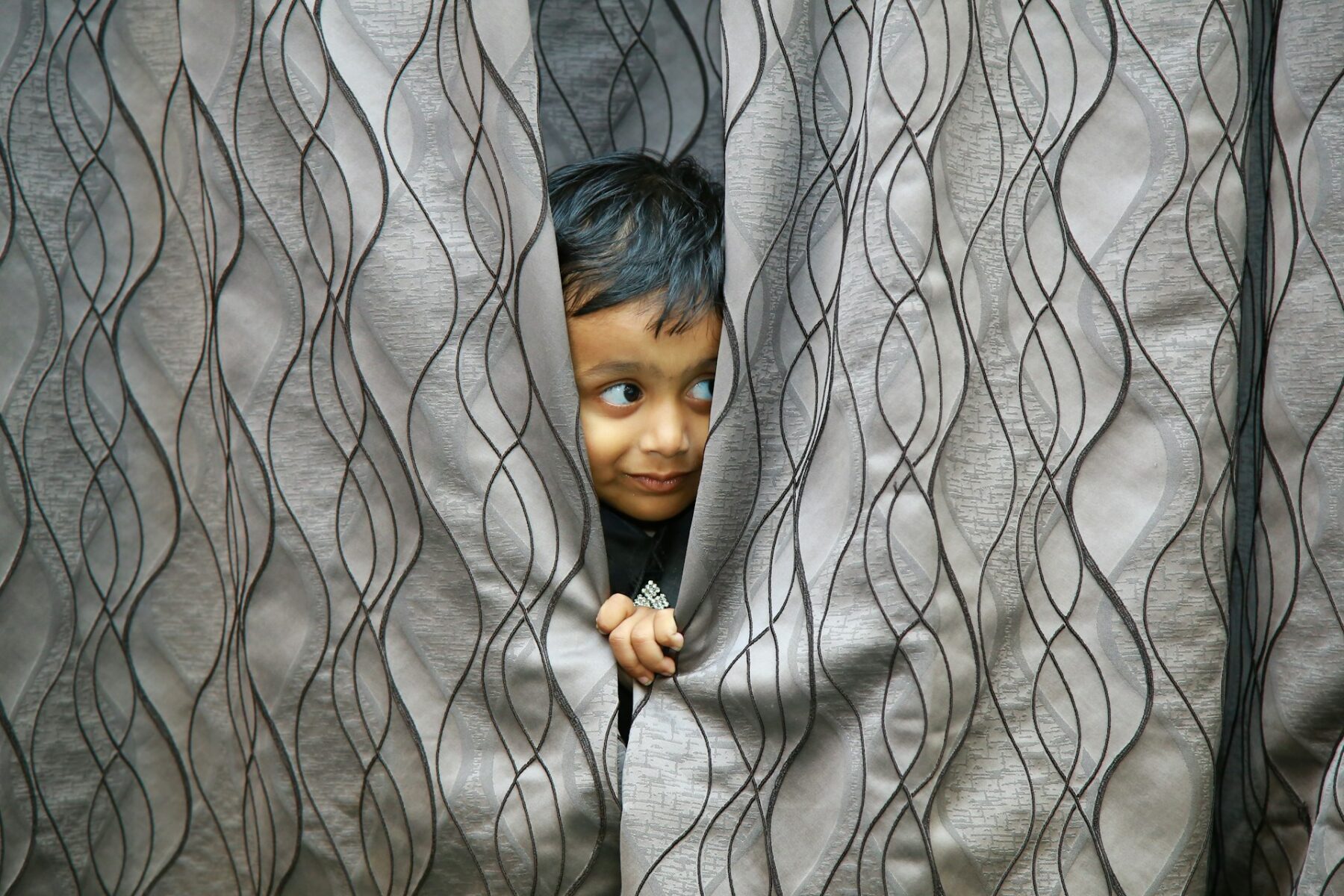
Ages 5 and up. Any number, works well in pairs. Pick ten or so ordinary things around the house. A toothbrush, an odd sock, something blue, the TV remote. Write a clue for each one, hide them and send everyone off.
Scale it by age. Younger children want a straightforward list of items to find. Older ones want riddles, and will happily spend half an hour arguing about what “I have a face but no eyes” means.
Ages 4 to 9. Any number. A blindfold, a paper tail, a donkey on the wall. Spin them gently, point them roughly in the right direction and let them go. Closest tail wins.
Two practical notes. Do not overspin, because dizzy children and hard furniture are a bad combination. And clear a path to the wall first.
Ages 4 to 9. Any number. Old pillowcases or tea towels become capes, and every child gets a mission. Rescue the teddy from the top of the stairs. Deliver a message to the kitchen without being spotted. Find the hidden treasure.
It costs nothing, it takes five minutes to set up, and small children will keep it going far longer than you expect.
Ages 6 and up. Four or more players. Only worth it if you have a garden and it is light enough outside, so realistically this is a summer sleepover game and one for before the sun goes down.
Where it does work, it burns off more energy than anything you can do indoors. A run around outside in the late afternoon means everyone arrives in the evening already half worn out, which is exactly where you want them.

Quieter, longer and good for the middle of the evening when the shouting needs to stop.
Ages 3 and up. Any number. The one that gets asked for every time. Old bed sheets, sturdy chairs, sofa cushions, clothes pegs to hold it together and a torch inside.
Build it somewhere they can actually sleep in it afterwards if they want to, because they will want to. If your sleepover crowd is bigger than the floor space allows, this is where bunk beds and air beds earn their keep.
Ages 3 and up. Any number. Painting, collage, friendship bracelets, decorating paper crowns. Put everything on a table, cover it first and let them get on with it.
The national curriculum for art and design describes it as something that should engage and challenge children and give them the skills to experiment and create their own work. Worth remembering when the glitter turns up on the carpet three weeks later.
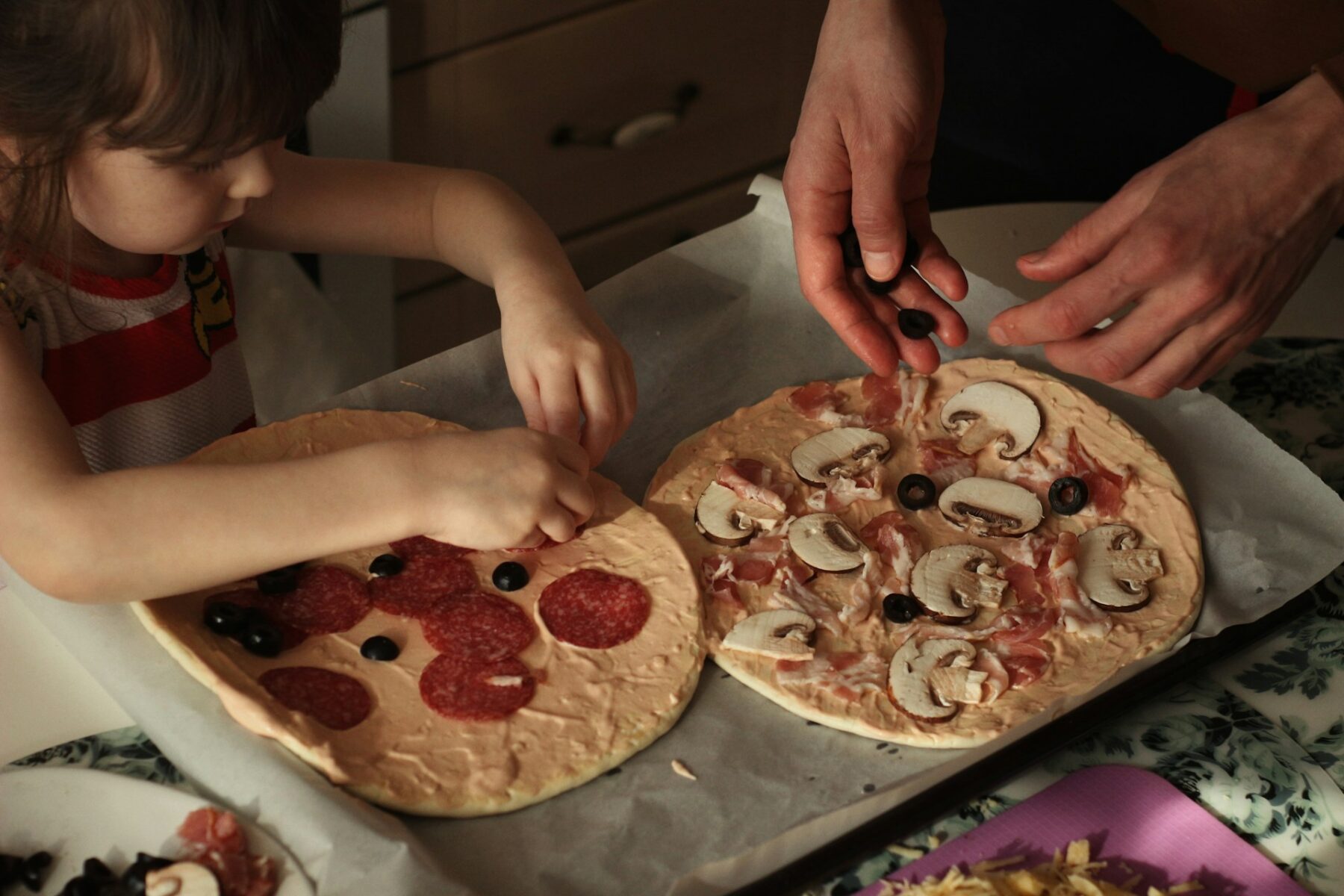
Ages 5 and up. Any number. Set up a station with dough bases, sauce, cheese and a spread of toppings, and let everyone build their own.
Check every guest’s allergies with their parents when you confirm the sleepover, not on the night. If one of the children has a nut allergy, keep anything containing nuts out of the house entirely. Bear in mind too that some children will not know exactly what they react to.
Ages 5 to 11. Four or more players. Print or draw grids of nine emojis, different on each card. Cut a matching set into a bowl. Someone pulls them out one at a time, and everyone crosses off matches. First to a full grid shouts bingo.
It takes ten minutes to make the cards beforehand, and it buys you a surprisingly peaceful half hour.
Sitting down, lower volume and the point where the evening starts heading in the right direction.
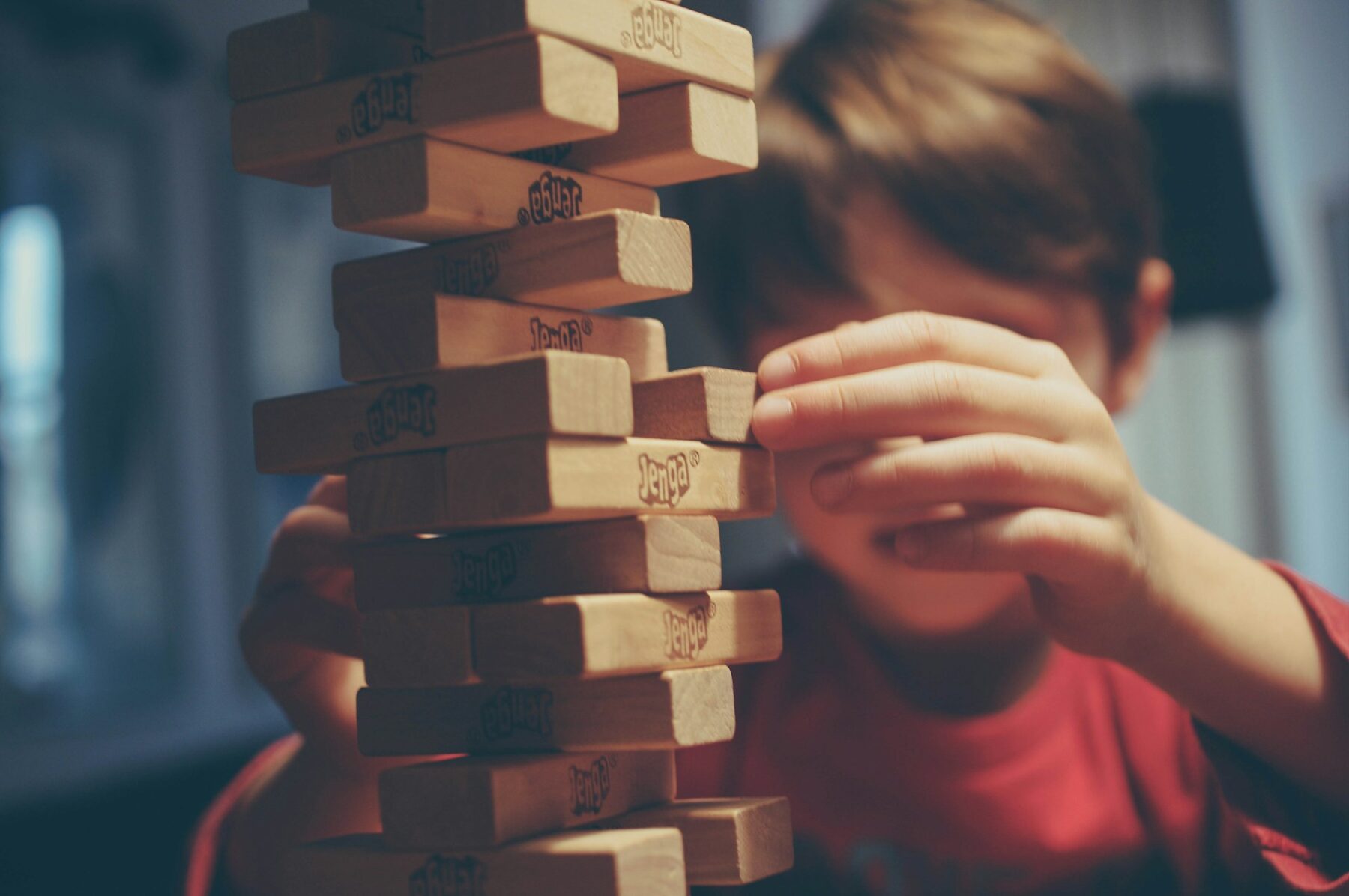
Ages 6 and up. Two or more players. Pull a brick out, put it on top, try not to be the one who brings the tower down. The held breath around the table is worth the price of the box on its own.
The crash at the end is loud, so play it before you want things to be calm rather than after.
Ages 6 and up. Four or more players, in two teams. One person draws; their team guesses; sixty seconds on the clock. You can buy the game or just write words on scraps of paper, which works just as well.
For mixed ages, put the youngest and oldest on the same team. It evens things out and stops the little ones from getting frustrated.
Ages 4 and up. Two or more players. Lay two packs of cards face down. Take turns flipping two over, looking for a matching pair. Keep the pairs you find; turn back anything that does not match. Most pairs at the end win.
This one genuinely favours younger children, who are often better at it than the adults.
Ages 8 and up. Three or more players. Everyone holds up ten fingers. Take turns saying something you have never done. Anyone who has done it puts a finger down. The last person with a finger up wins.
Set the tone with the first few rounds and keep it silly. Never have I ever eaten a whole tub of ice cream. Never have I ever fallen asleep in a car. It stays fun as long as it does not turn into a confession booth.
This last hour matters more than the rest of the evening put together. The NHS recommends starting a wind-down routine around 30 minutes before a young child usually falls asleep and switching screens off 30 to 60 minutes before bedtime. No sleepover is going to run on the usual schedule. Giving the last stretch over to something calm, in dim light, still does most of the work for you.
All ages. Any number. The one we would keep if we could only keep one. Everyone in sleeping bags, one light on, one story.
Older children can take a chapter each. For younger ones, our Bedtime Story Finder has 150 books chosen with The Reader. And our audio bedtime stories are there if you would rather press play than read aloud to six children at eleven at night.
A few other quiet options for the last half hour. Twenty questions in the dark. Sleeping lions, where everyone lies still and the last one to move wins, which is exactly as useful as it sounds. Or a whispered round of “what was the best bit of today”, which tends to trail off on its own.

Roughly how the evening tends to go if you let it:
Getting everyone comfortable helps as much as the running order does. Sleeping bags, spare pillows and a kid’s mattress or two on the floor beat a pile of cushions. Our guide to hosting a sleepover covers the rest of the planning.
Running out of stories? Our Bedtime Story Finder has 150 books to choose from, sorted by age.