Breathing Techniques for Better Sleep
7 Min Read |
With contributions from Rosie Weatherley (Information Content Manager at Mind)
Last Modified 2 October 2026 First Added 22 April 2025
Can’t seem to settle or find yourself tossing and turning all night? You’re not alone. According to our Sleep Survey, 28% of people struggle to sleep because of stress. But learning to harness your breathing can naturally help you drift off and improve your sleep quality.
In this article, we’ll share the best breathing methods for sleep, plus top tips for ultimate relaxation.
Breathing exercises for sleep naturally help your body and mind relax. The parasympathetic nervous system, often referred to as the “rest and digest” system, promotes relaxation and recovery. Engaging in deep breathing exercises can stimulate this system, resulting in a calmer state. For instance, the British Heart Foundation notes that deep breathing can lower heart rate and blood pressure, aiding in stress relief and better sleep.

 Insight from Rosie Weatherley, Mind
"Finding ways to relax is really helpful for sleep. Breathing exercises work well for some of us. They can be done anywhere and only take a few minutes."
On top of improving sleep quality, breathing techniques offer both physical and mental benefits:
By calming your nervous system, you promote healthier heart function as your heart rate slows, alleviating stress-induced spikes in blood pressure. Slower, deeper breaths can also increase the amount of oxygen reaching the brain, aiding recovery and boosting daytime energy. With regular practise, breathing exercises can also strengthen your immune system and enhance overall quality of life.
Breathing exercises contribute to overall well-being. By calming the mind, they can improve mental clarity and energy levels, reduce irritability, and enhance focus and decision-making the following day. Incorporating breathing exercises into your routine may also help ease symptoms of stress and anxiety.
Insight from Rosie Weatherley, Mind
"Focused, slow breathing can be helpful when trying to manage the symptoms of anxiety. If you’re having a panic attack, focusing on your breathing is one of the key ways to help you return to calm."
To help you destress and fall asleep faster at night, try one or more of these breathing techniques for sleep to find the method that works best for you.
Popularised by Dr. Andrew Weil, this simple exercise helps you fall asleep faster and enhances sleep quality. Tapping into ancient pranayama practices, it boosts parasympathetic activity, calming your mind and reducing stress.
Here’s how it works:
Also known as square breathing, the box breathing method involves creating a “square” with your breath by inhaling, holding, and exhaling. This structured breathing pattern for sleep is shown to aid your mental focus, regulate your heart rate, and reduce stress.
Here’s how it works:

This sleep breathing technique, often called belly breathing, involves taking deep breaths into your diaphragm rather than your chest. Breathing through your stomach can help you slow your heart rate and relieve stress before bed.
Here’s how it works:
Developed in the 1960s at doctors at Papworth Hospital, Papworth breathing combines breathing techniques with relaxation methods. It is a common breathing exercise for asthma that focuses on calming the nervous system and easing anxiety.
Here’s how it works:
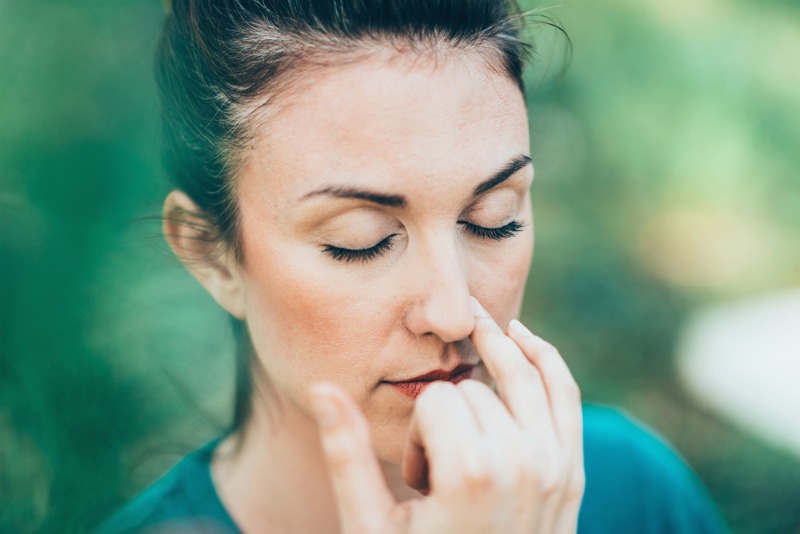
Alternate nostril breathing is a calming yoga technique that involves breathing through each nostril at a time—hence the name. It’s also known as Nadi Shodhana.
Here’s how it works:
Bhramari pranayama is another yoga breathing method for sleep. Studies show that it can reduce your heart rate and blood pressure. Also known as the “bumblebee breath”, it involves creating a calm humming sound, which some people find helps them relieve tension and sleep better.
Here’s how it works:
Incorporating slow, deep breaths like the ones we’ve shared and synchronising your heart rate with your breathing, known as Cardiorespiratory Synchronisation (CS), can enhance sleep quality for some people. Slow breathing exercises can shift your autonomic nervous system towards a more relaxed state and slow your heart rate when anxious.
CS also occurs during N-REM sleep, helping to promote relaxation and help you drift off. It is responsible for restoring your body and mind while you rest and preparing your body for the most restorative deep sleep.
Incorporating breathing techniques into your bedtime routine can help you wind down and prepare for sleep. Here’s how to do it:
Focus on staying comfortable, progressing at your own pace, and most importantly, being consistent. Keep a list of the benefits to stay motivated, and track how each session makes you feel.
Insight from Rosie Weatherley, Mind
"You will usually feel more benefits of breathing exercises if you can find the time to do them regularly."
When it comes to breathing exercises for sleep, you can create discomfort instead of calm. Here are some things to keep in mind when breathing for sleep:
If you’re still struggling to fall asleep despite deep breathing, there are other ways that you can relax your body and mind:
Take a look at our Mind Relaxation Hub for more tips. By introducing relaxation methods into your day, you can naturally de-stress and prepare your mind and body for restorative rest.