The 15 Best Fruits to Eat Before Bed
10 Min Read |
Last Modified 16 October 2026 First Added 7 July 2025

It’s half nine, dinner is long gone, and there’s a fruit bowl between you and bed. Cherries are supposed to send you off within minutes, pineapple is supposed to be loaded with melatonin, and oranges will apparently keep you up till two. A couple of those have proper studies behind them. The rest are here for a simpler reason: they sit easiest on your stomach when bed is twenty minutes away.
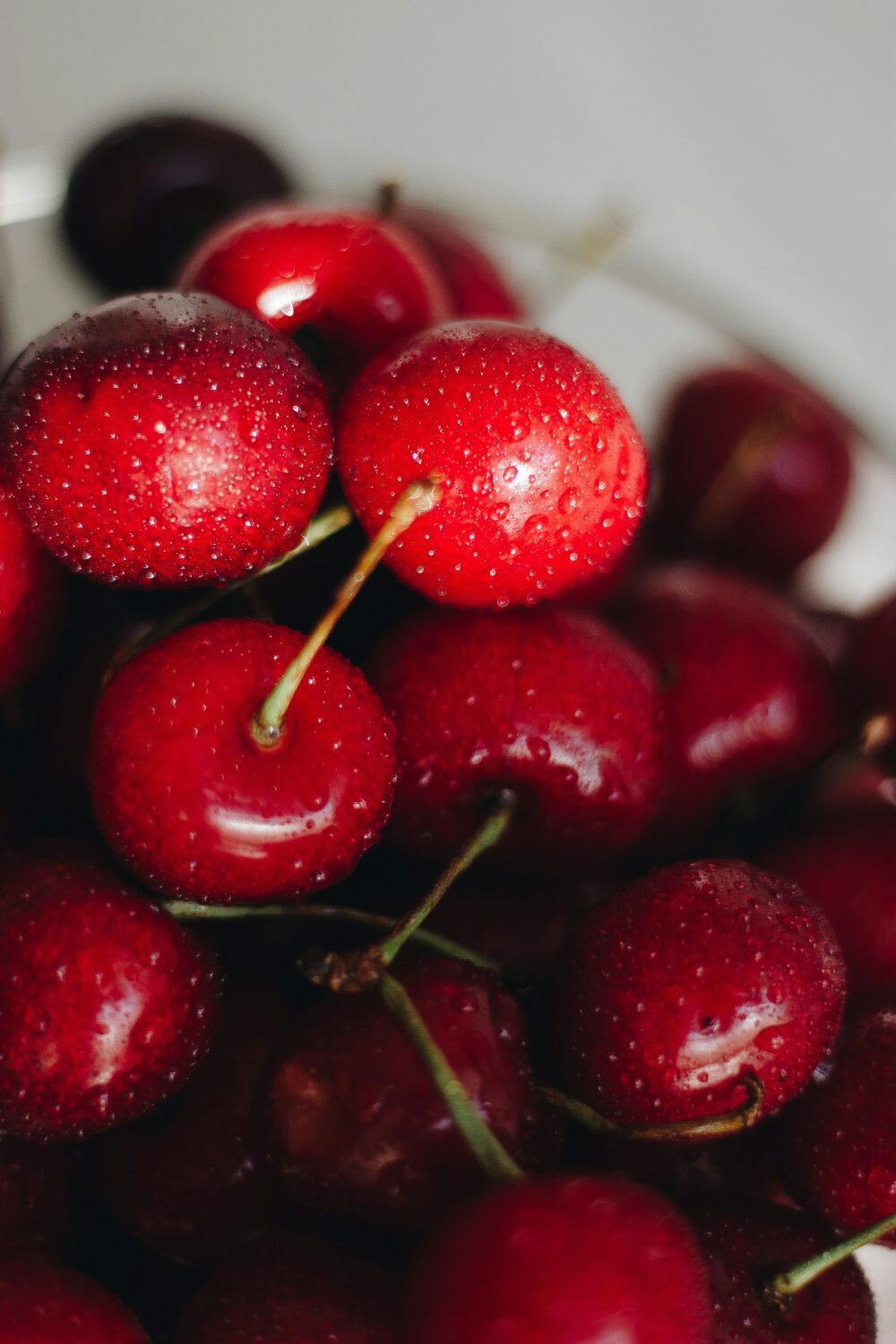
Tart cherries are the closest thing to a tested bedtime fruit, and the reason is melatonin. That’s the hormone your body releases as the evening draws in to tell you sleep is coming, so anything that nudges it up is worth a look. In a trial of 20 healthy adults, seven days of tart cherry juice concentrate raised melatonin levels and improved sleep time and sleep efficiency. A separate pilot study in older adults with insomnia found modest improvements in the amount of time they spent awake at night.
It’s worth knowing what was in the glass. Both studies poured concentrated juice, not a bowl of fresh cherries. Fresh tart cherries are hard to come by in UK supermarkets anyway, since almost everything on the shelf is the sweet kind. So if you want to copy the studies, concentrate is the thing to look for. Our guide to melatonin and sleep covers how the hormone works.

Kiwi has the most-quoted fruit and sleep result. Over four weeks, adults who ate two kiwis an hour before bed fell asleep 35.4% faster, slept 13.4% longer and spent 28.9% less time awake during the night.
The kiwi study was small, and the design matters. It followed 24 people, 22 of whom were women, with no control group eating something else for comparison. A set-up like that can’t separate the kiwi itself from the calm half hour of sitting down to eat one. There’s plenty of reason to give it a go, then, and not much to bank on.

Tomatoes are filed with the vegetables in most kitchens and with the fruits in most botany textbooks. One trial reported longer sleep after participants ate 250g of beefsteak tomatoes two hours before bed. Tomatoes do contain melatonin, which is the mechanism usually offered, and no second study has backed up the finding yet. A plate of tomatoes on toast is a fine late supper either way.
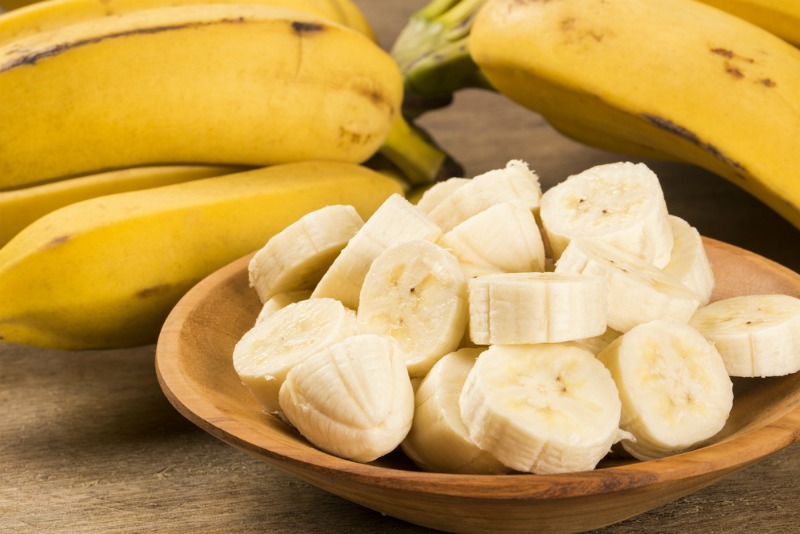
Twelve healthy men ate pineapple, orange, and banana in turn in a small trial, and researchers measured a melatonin breakdown product in their pass of water afterwards. Bananas produced the highest reading of the three on the blood measure taken alongside it.
The trial never measured whether anyone slept better, so the finding stops at the marker. Bananas also bring magnesium and tryptophan, which is where most of their bedtime reputation comes from, and they’re the easiest thing in the fruit bowl to eat half asleep. Our post on whether a banana before bed helps you sleep digs into the rest.

Oranges came second for melatonin in a trial that put three tropical fruits head-to-head, measuring melatonin markers in twelve healthy men. That puts them ahead of the pineapple that usually takes the credit. They’re a good source of vitamin C, and the combination of water and fibre makes a satsuma a genuinely satisfying nine o’clock snack.
Citrus has one catch, and that’s the acidity. Oranges may bring on heartburn if you lie down soon after eating them, so they do their best work earlier in the evening.

Pineapple’s reputation for melatonin rests on a single figure, and it came from a small trial of twelve healthy men who ate pineapple, orange and banana on separate occasions. The measurement was a melatonin breakdown product in their urine, which is a useful marker and some distance from a night’s sleep. Pineapple came third of the three fruits on the blood readings taken alongside it.
A thin evidence base doesn’t make pineapple a bad idea. It’s sharp, sweet and full of bromelain, the enzyme that gives it that slight tingle on the tongue. Pineapple is acidic, so the early evening suits it better than the last ten minutes before bed.

A six-month trial of 969 adults set out to test whether a daily avocado improved cardiovascular health. It did not shift the overall score, but people who ate an avocado a day reported sleeping longer, better diet quality, and a small drop in cholesterol. Sleep was a side finding picked up along the way, based on what people reported about themselves.

Melatonin has been identified in grape skin and grape juice; this is a real finding about the fruit, not about sleep. The amounts are small, and nobody has put a bowl of grapes to the test at bedtime. Grapes earn their place on sheer practicality. There’s no peeling, no chopping, no plate and no knife. Wine contains melatonin as well, and it brings a problem of its own, which our post on alcohol before bed covers.

Goji berries contain melatonin along with a long list of antioxidants, and nobody has tested them as a bedtime snack. A review of Lycium barbarum does point to possible effects on mood and anxiety, which may matter indirectly if worry is the thing keeping you up. They’re chewy and intensely sweet, so a small handful goes a surprisingly long way.
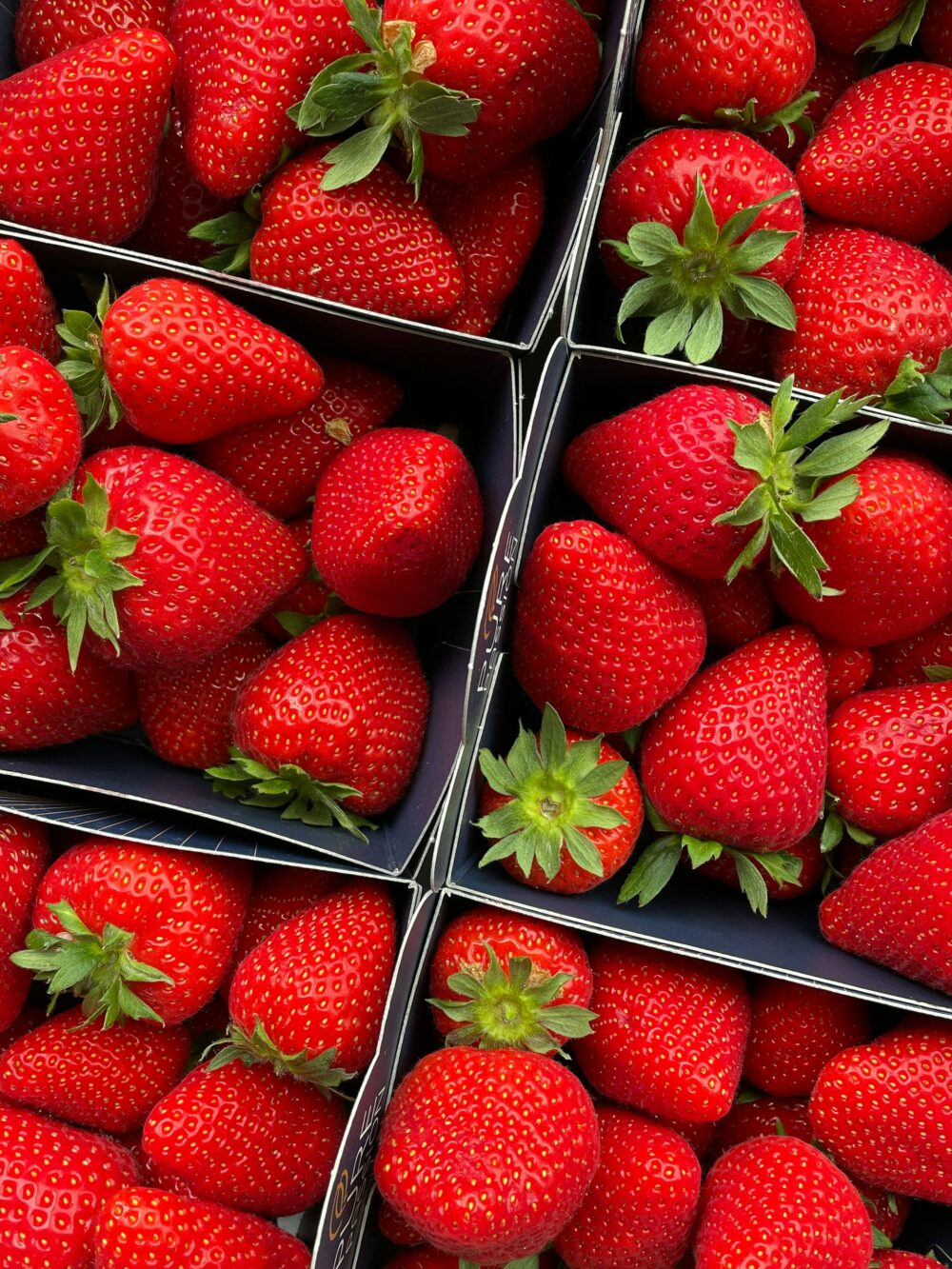
Strawberries are high in vitamin C and a source of vitamin B6, which the body uses in the chain that produces melatonin. Mostly, though, they’re what you actually want at ten o’clock. They’re light, they’re sweet, they need no preparation, and a bowl of them feels like a treat without sitting in your stomach for the next two hours.
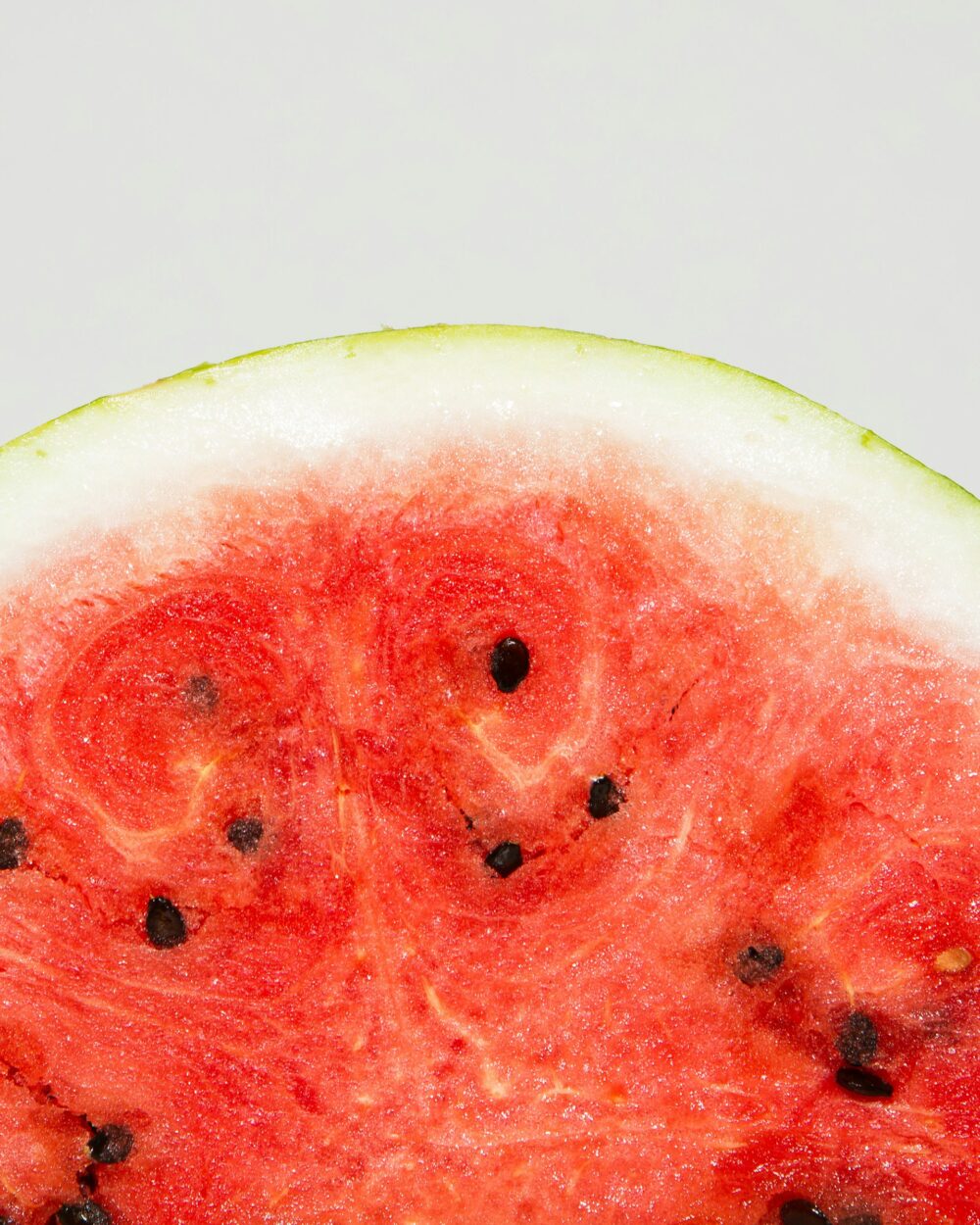
Watermelon is more than 90% water, which makes it the pick for anyone who regularly wakes up parched at 3 am. Cantaloupe brings vitamins A and C. Both are low in acid and mild enough that a few slices rarely sit heavily, and both are about as refreshing as food gets.

The fibre in a whole apple slows how quickly its sugars are absorbed, which may keep things steadier overnight than a glass of juice would. An apple is also about as low-effort as a snack gets. There’s no plate, no spoon and nothing to decide, which counts for a lot at half nine.

Dates are a natural source of magnesium and fibre, and they’re sweet enough to answer a late craving before anyone opens the biscuit tin. Two or three with a cup of tea is a proper small pleasure. They’re concentrated, though, so you don’t need many. Our guide on which magnesium is best for sleep has more on that mineral.

Passion fruit is rich in vitamins A and C, fibre and magnesium, and it has inherited a sleep reputation that belongs to a different plant entirely. The studied one is passionflower, or Passiflora incarnata, a herb brewed as tea. The fruit you scoop out with a spoon is Passiflora edulis.
The trial of passionflower tea that gets cited reported better subjective sleep quality, and it says nothing about eating the fruit. Have the passion fruit because it’s sharp and tropical and lifts a bowl of yoghurt. If the tea is what you’re after, our guide to herbal teas for sleep covers it.

Grapefruit is a good source of vitamin C, and the pink and ruby varieties carry lycopene, the pigment that gives tomatoes their colour. No study has tested grapefruit for sleep.
Grapefruit lands at the bottom of this list for two practical reasons. It’s among the most acidic fruits, and it interacts with a number of prescription medicines. The NHS advice for atorvastatin, to take one common example, is to avoid having too much grapefruit juice and to stick to one or two small glasses a day. If you take anything regularly, the patient information leaflet will say whether it matters, and a pharmacist can confirm. Breakfast is the better slot for this one.
The reasoning behind most fruit and sleep advice runs through four nutrients. The biology is sound. The leap worth watching is the one from “this fruit contains it” to “so it will help you sleep”:
The catch is the dose. The quantities of melatonin in fruit are a fraction of what a supplement delivers, so a punnet of grapes isn’t a tablet in disguise. That gap is the whole reason the top few fruits on this list deserve more of your attention than the bottom few.
Fruit is one of the gentler things to eat late. A few other bedtime habits do considerably more damage than anything in the fruit bowl:
The practical side is simpler than the nutrition: