
What Foods Can Give You Nightmares?
6 Min Read |
Last Modified 9 October 2026 First Added 27 March 2017
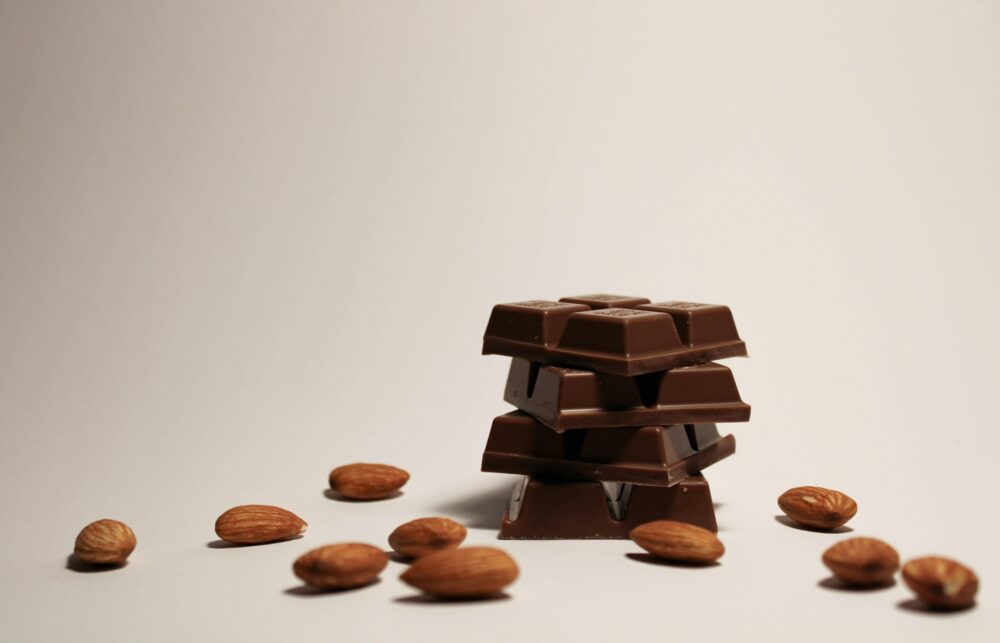
You wake up at 4 am, having been chased through a supermarket by someone you went to school with, and the first thought is usually the same. What on earth did I eat last night? The late snack tends to take the rap, mostly because it’s the last thing you remember doing.
The research is more interesting than the folklore. Food may play a part for some people, though rarely in the way the old tales suggest, and when you eat may count for more than what you eat.
The lowdown: No food has been shown to cause nightmares on its own. When people do blame something, sweets and dairy come up most often, and the likeliest explanation is discomfort rather than the food itself. Eating late, or eating something that disagrees with you, may be what disturbs your night.
For some people, possibly. There’s no strong evidence that food alone turns a pleasant dream into a horrible one.
When researchers asked 396 students about food and dreaming in 2015, nearly one in five said they’d noticed a link between what they ate and what they dreamt. Dairy was the food they named most often.
A larger study by the same team in 2025 asked a tighter question and found that around one in 20 people said food or eating late affected their dreams. Among the foods associated with disturbing dreams, sweets and desserts accounted for 31% of mentions, with dairy next at 22%.
That 2025 study also turned up something more useful. People with lactose intolerance had higher nightmare scores, and gut symptoms such as bloating and cramps explained most of that link. A stomach that’s still hard at work at 2 am may well find its way into the plot.
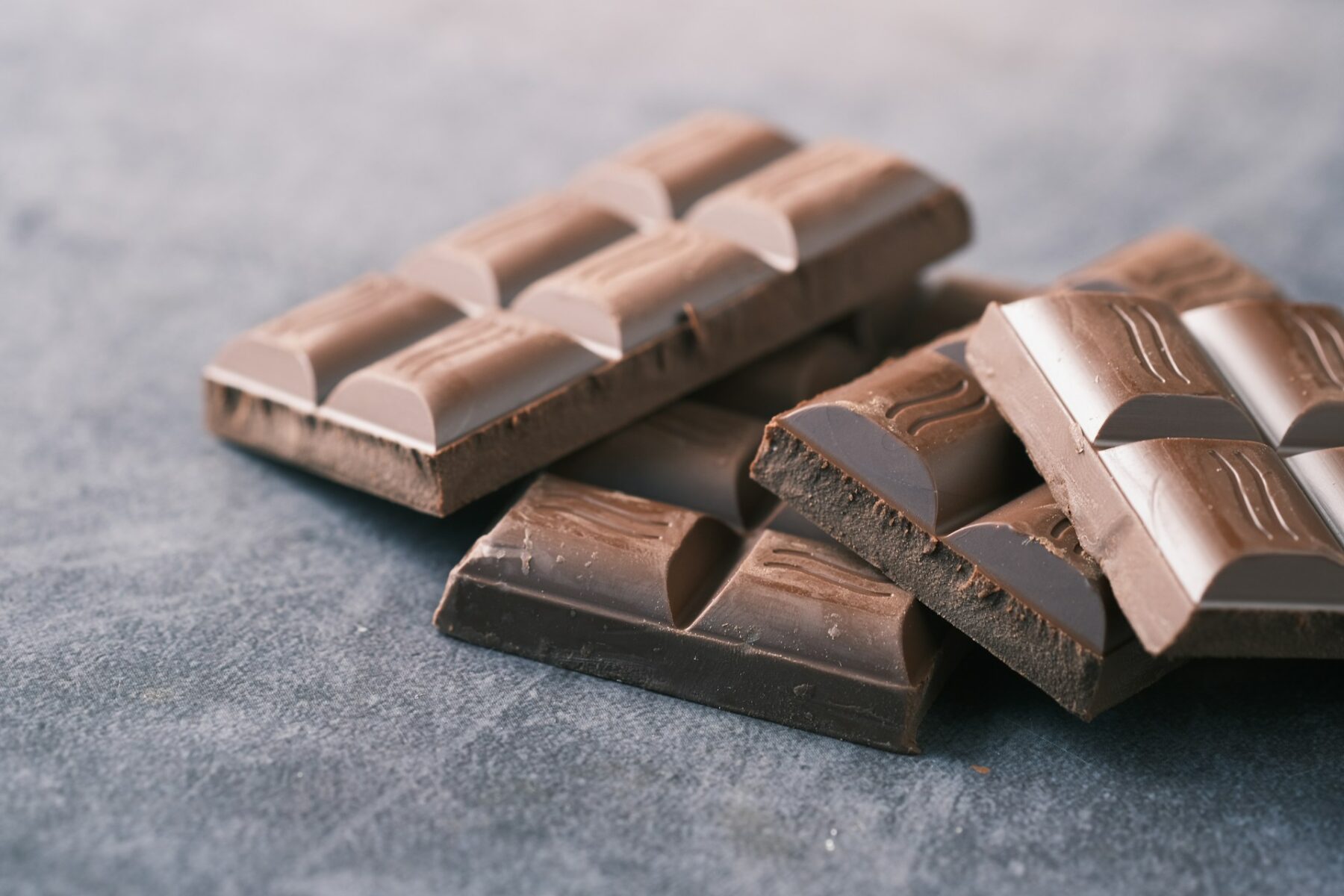
There’s no evidence that chocolate causes nightmares. It may still disturb your sleep, which is a slightly different thing.
Chocolate comes up more often than most foods when people wonder what gave them a bad dream, and there are three reasons why:
Milk chocolate adds a fourth possibility because it contains dairy, and the 2025 research linked lactose intolerance with more nightmares. If dairy doesn’t always agree with you, raiding the Halloween tin at 11 pm may not end well. For most people, a square or two earlier in the evening is unlikely to cause any bother at all.
Only a few foods have anything measurable behind them. Here’s what has been studied, with the strongest evidence first:
| Food | What has been found |
|---|---|
| Dairy, if you’re lactose intolerant | The 2025 study found higher nightmare scores among people with lactose intolerance, with gut symptoms explaining most of the link |
| Chocolate, spicy and fatty food | An NHS reflux leaflet names all three among common triggers, and heartburn can leave your sleep lighter or wake you altogether |
| Noodles | A study of 1,848 adults linked higher noodle intake with poorer sleep quality. Rice went the other way, and bread showed no link at all |
| Alcohol | Also on that reflux trigger list, and known for breaking up the second half of the night |
| Sweets and desserts | Nothing beyond what people report themselves. No study has tested whether they change your dreams |
Everything with evidence behind it points to physical discomfort rather than to dreams, and the food named most often is the one with the least evidence behind it. Our post on whether cheese before bed gives you nightmares digs into the dairy question properly, including the famous cheeseboard study.
The hour you eat at may matter more than the meal itself.
The 2025 research found that eating in the evening and during the night was associated with poorer sleep, more negative dreams and higher nightmare scores. No single food was singled out. The late hour was enough.
NHS reflux guidance points the same way, suggesting at least two hours between your last meal and bed, and staying upright for an hour after eating. In our 2026 UK Sleep Survey, around one in 10 people who sleep badly put it down to eating too late.
If bad dreams are a regular visitor, shifting dinner or that snack an hour earlier may be worth trying before anything gets struck off the shopping list.
Hunger at 10 pm is its own kind of sleep thief, so here’s what tends to sit more comfortably on your stomach:
In our survey, around one in eight people who sleep badly cited bad dreams or night terrors as a reason, while racing thoughts and stress ranked much higher on the list.
The 2025 study found the same pattern, with anxiety and low mood among the strongest predictors of nightmares. Our guides to avoiding nightmares and what causes night terrors go further into the causes.
Nightmares that keep coming back, or that leave you dreading bedtime, are worth mentioning to your GP.
No study has shown that it does. Sugary foods come up most often when people name a culprit, which may say more about what gets eaten late at night than about sugar itself.
The NHS reflux guidance suggests leaving at least two hours between your last meal and going to bed, and staying upright for an hour after eating. Research has also linked evening and night-time eating with more nightmares.
Nobody knows for certain. The leading explanation is discomfort: a stomach that’s still working, or heartburn, can lighten your sleep, and lighter sleep means you’re more likely to wake during a dream and remember it.