The Best Thread Count for Bedding in Every Season
10 Min Read |
Last Modified 19 October 2026 First Added 19 October 2026

There’s a moment in late spring when you push a foot out from under the duvet and realise February’s sheets are not going to get you through June. Same bed, same duvet, completely different night. Sheets are the part of the bed you actually feel, so they’re worth a rethink when the weather turns.
The lowdown: Thread count is the number of threads woven into one square inch of fabric, and it’s a reasonable starting point for choosing sheets by season. For single-ply cotton, counts around 200 to 300 tend to feel cooler and more breathable, while denser counts of 400 to 600 hold more warmth. Weave and fibre quality can shift that either way, and counts above 600 are often inflated by plied yarns.
The meaning of thread count is refreshingly simple. It’s the number of threads woven into one square inch of fabric, counting both the lengthwise threads (the warp) and the crosswise threads (the weft). A square inch of fabric with 150 warp threads and 150 weft threads has a thread count of 300.
Thread count is a measure of density. A higher thread count means the threads are packed more tightly, which can affect how smooth, heavy, and breathable a sheet feels. It works best when it’s read alongside the weave, the fibre and the time of year, and each of those gets its own section further down this page.
There’s also a counting rule worth knowing. The textile testing method referenced by the US Federal Trade Commission counts each yarn once, even when that yarn is made from two or more fine strands twisted together. It matters because very high counts are often inflated by plied yarns, as explained in the section below on higher thread counts.
These ranges are our guide for single-ply cotton sheets, based on how that density tends to feel across the year:
| Season | Thread count range | What does that density do |
|---|---|---|
| Spring | 300 to 400 | Enough substance for a cold snap, enough airflow for a mild night. Lean to the lower end as the weather warms up. |
| Summer | 200 to 300 | A lower density allows more air to pass through the fabric. Light, crisp percale may help stop heat and moisture from building up under the covers. |
| Autumn | 300 to 400 | A touch more density adds cosiness as the evenings draw in, without tipping into stuffiness. Lean to the upper end as it gets colder. |
| Winter | 400 to 600 | A dense, smooth cotton holds more warmth against the skin. Sateen tends to feel silkiest, and brushed cotton is the cosy alternative. |
If you sleep hot year-round, winter sheets don’t have to be denser. Keeping a breathable sheet and adding warmth with a higher-tog duvet may suit you better. Our duvet buying guide explains how tog ratings work.
As thread density climbs, a sheet tends to feel thicker, heavier and smoother. A denser sheet also tends to let less air through. That combination can feel nice and cosy on a frosty night, but can quickly become uncomfortably heavy during a heatwave.
Sleep researchers talk about a “bed climate”, the little pocket of air between your body and your covers. A review of thermal environment and sleep research reports that a bed climate of around 32°C to 34°C and 40% to 60% humidity is best for a good night’s sleep. The same review found that when people sleep with bedding, heat exposure can increase wakefulness, with humid heat adding to this even more. Sheets sit right against the skin, so how easily they let heat and moisture escape may affect that pocket of air.
Weave changes the feel just as much as the count. Percale is a plain one-over, one-under weave that usually feels crisp and cool, a bit like a freshly ironed shirt. Sateen usually floats several threads over one, which gives a smoother, silkier surface with a soft sheen. Two sheets with the same thread count can feel worlds apart, depending on the weave used.
Up to a point, a higher count can mean a smoother, denser sheet. Past that point, the number may say more about clever counting than about comfort.
Very high counts are often reached with plied yarns, where two or more fine strands are twisted into one thread. The FTC’s staff opinion on thread count was written in response to counts as high as 1,000, achieved by counting each ply separately, and described that practice as potentially deceptive. Under the standard method, a fabric woven from 300 two-ply yarns per square inch is a 300 thread count, whatever the packet says.
Plied yarns can also make a fabric heavier and less breathable. That may be fine in December, but less welcome in the hotter months or for anyone who already runs warm.
What is a high thread count for sheets?
Anything above 400 is generally sold as a high thread count. Counts well beyond 600 are the ones most likely to rely on plied yarns.
Thread count only makes sense next to the fibre it’s describing. Some materials use a different measure altogether.
Egyptian cotton usually refers to Gossypium barbadense grown in Egypt, a species known for extra-long staple fibres used for fine, high-quality yarns. Longer fibres can be spun into finer, smoother threads, so a 300 count Egyptian cotton sheet may feel softer than a 500 count woven from shorter cotton. Egypt also grows long-staple varieties that fall just short of the extra-long grade, so “Egyptian” on a label doesn’t automatically mean the longest fibres. The Cotton Egypt Association runs a trademark scheme to help shoppers spot genuine Egyptian cotton.
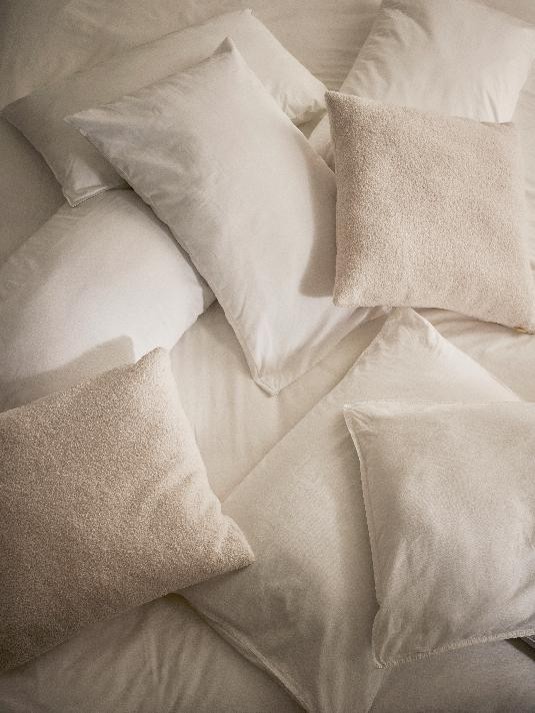
Organic cotton is defined by how it’s farmed and certified. Textile Exchange describes it as certified cotton grown without toxic, persistent synthetic pesticides and fertilisers or genetically modified seed. In the UK, the Soil Association certifies organic textiles to the Global Organic Textile Standard (GOTS). Organic cotton can be woven at any thread count, so judge its feel by count, fibre and weave in the same way as conventional cotton. Browse our natural bedding range to explore the options.
Linen is made from flax and woven from thicker yarns, so its thread count usually sits far lower than cotton’s. A low number on a linen sheet is normal. Some linen makers skip the thread count entirely and describe the fabric by weight instead. Its slightly textured, open feel is a big part of why linen is such a summer favourite.
Brushed cotton and flannel have a raised, fluffy surface that holds a thin layer of air. They’re usually sold by weight in grams per square metre (GSM), so a thread count may not appear on the label at all. A higher GSM generally means a thicker, cosier sheet.
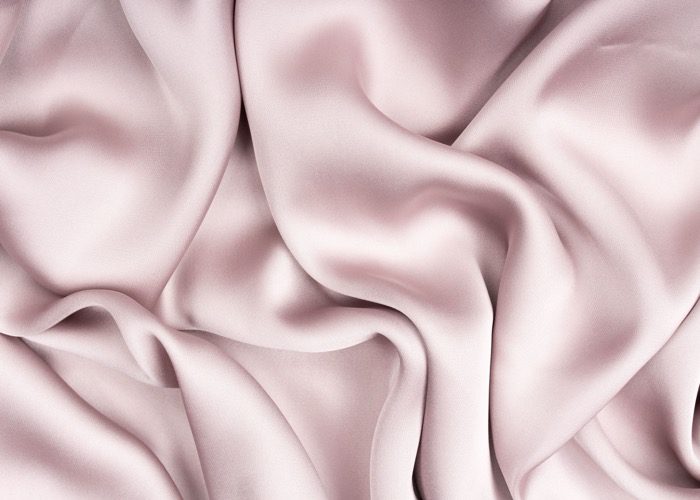
Silk is sold by momme, a traditional Japanese unit of fabric weight. A higher momme generally means a denser, more durable silk.
Polycotton blends cotton with polyester, which can make sheets cheaper, quicker to dry and less prone to creasing. Microfibre is a fine polyester and is usually sold by GSM. Fibre choice can affect comfort in warm weather, and one study found that 100% cotton poplin was more comfortable for summer wear than a polyester and cotton blend.
Thread count numbers are there for guidance. Here’s how to put them to work, with the fabrics and weaves that tend to pair best with each season.
Spring in the UK can serve up frost and sunshine in the same week. A mid-range cotton percale is a dependable all-rounder, and it pairs nicely with a lighter spring and summer duvet. Keeping a slightly heavier set in the cupboard makes the late cold nights easier to handle.
In our 2026 UK Sleep Survey, 24% of people who experience disturbed nights said being too hot was one of their usual reasons. Lower-count percale cotton and linen are the classic warm-weather picks. Pair them with breathable layers from our cooling summer bedding range, and try our tips for staying cool at night for the really sticky ones.
If you’re waking up drenched no matter what’s on the bed, our guide to what causes night sweats may have the solution.
Autumn is a good moment to swap crisp percale for a smoother sateen or a denser cotton. The change can make bedtime feel noticeably cosier as the nights draw in. Read our guide for more tips on how to transition your bedroom with the seasons.
Being too cold was recorded as the cause of a disturbed night for 13% of people in our survey who sleep badly. Research on sleep in cold conditions suggests that bedding and clothing play a big part in protecting sleep when the temperature drops. Sateen in the higher ranges or brushed cotton can feel snug against the skin, especially under a warmer winter duvet. If chilly nights are a regular thing for you, our guide on why you might get cold at night covers other possible causes.
For more advice on how to create a comfortable sleeping environment, including room temperature and what to wear to bed, read our guide to sleeping well in any climate.
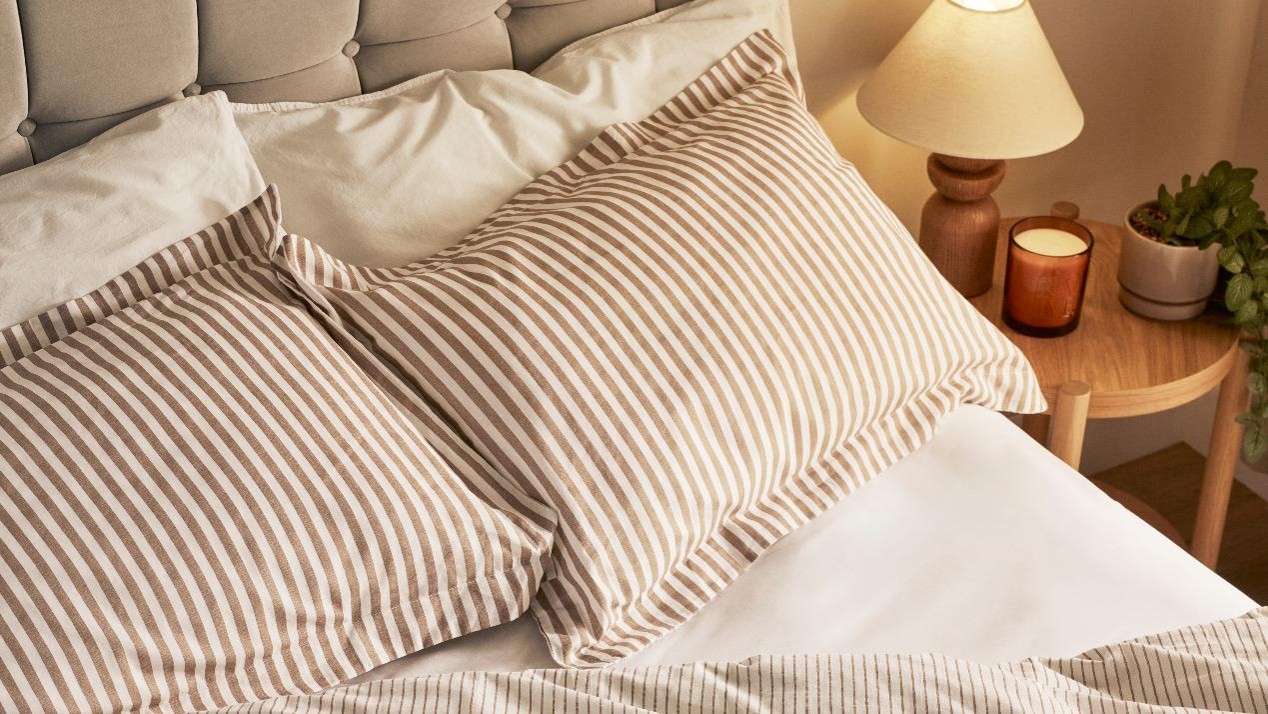
The best thread count for bed sheets depends on the season, the fibre and how warm you tend to sleep. A single-ply cotton between 200 and 400 suits most beds for most of the year. From there, a few checks can help narrow things down.
A 200 thread count can be very good, particularly in a well-made cotton percale. It’s at the lighter, more breathable end of the scale, which may make it a comfortable choice for summer or for anyone who sleeps warm.
Not necessarily. One mid-weight cotton set can work all year if the duvet changes with the seasons. Two sets (a lighter percale and a smoother sateen or brushed cotton) give more room to adjust, and swapping between them spreads the wear.
Generally, yes. Duvet covers are usually woven in the same way as sheets, so the same ranges and weave choices apply. Matching your fitted sheet and duvet cover can make the bed feel consistent from top to bottom, and our duvet covers and bedding sets make that easy.
Ready for a seasonal switch? Browse our full bedding range, including sheets, duvets, and pillows, to suit every time of year.