Is 4 Hours of Sleep Enough?
7 Min Read |
Last Modified 4 August 2026 First Added 19 May 2025

Can the human body really thrive on just 4 hours of sleep? Whether you’re battling late-night restlessness or trying to cram more into your day, understanding the implications of sleep deprivation is essential. For most of us, consistently getting just 4 hours can take a serious toll on our health, unless you’re one of the rare few with a genetic mutation that makes it possible.
The lowdown: For most people, 4 hours a night isn’t enough. It’s roughly half what adults need, so doing it regularly leaves you groggy and run down, and over time raises the risk of everything from a weaker immune system to heart problems. A tiny minority are natural short sleepers who feel fine on less thanks to a rare gene, but they’re the exception. Most adults do best on 7 to 9 hours.
If you usually thrive on 4 hours of sleep, chances are you might be a super-sleeper!
Scientists have recently identified a gene variant, SIK3-N783Y, linked to the natural short sleep trait in humans. People with this mutation can feel fully rested after just 4 to 6 hours of sleep, without suffering the usual adverse effects of sleep deprivation.
Unlike the rest of us, who need 7 to 9 hours, these natural short sleepers can rest 4 to 6 hours without showing the usual effects of inadequate sleep. It may look like they are simply sleeping less, but their sleep appears to be more efficient, so they reach the same rested state in fewer hours.
In a study involving mice with the SIK3-N783Y mutation, researchers found they slept about 31 minutes less than those without it, and 54 minutes less after sleep deprivation. The findings suggest the mutation speeds up the non-REM sleep process, increasing brain activity and reducing the total sleep needed.
So, while most of us are still reaching for the snooze button, a select few are already wide awake, refreshed and ready to go.
Ultimately, you won’t know whether you have the mutation unless you undergo genetic testing to analyse your DNA. You can do this through a healthcare provider or a specialist. However, some general ways you could tell are:
For most people, regularly sleeping only 4 hours can lead to a range of health issues. We’ll explore these in more detail below.
For most people without the genetic mutation, just 4 hours of sleep isn’t enough, and over time, it can negatively affect both your health and well-being. Sleep plays a key role in maintaining mental and physical health, and chronic sleep deprivation can lead to serious long-term issues.
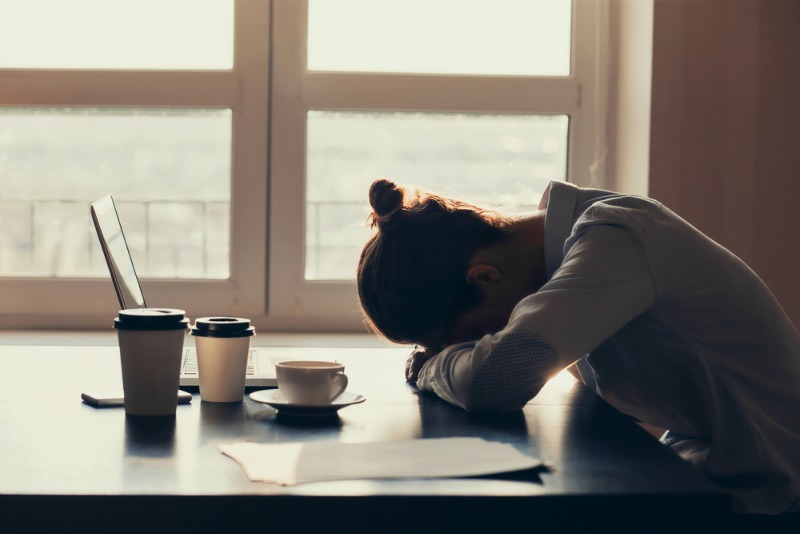
The short-term effects of sleeping for just 4 hours include:
Learn more about how to recognise poor sleep quality.
Sleep deprivation consisting of only 4 hours of sleep over time can have long-term consequences, including:
While this depends on your age, adults are generally recommended to sleep between 7 and 9 hours a night. This ensures you complete 4 to 6 full sleep cycles, each consisting of light non-REM sleep, deep sleep (which is responsible for physical repair and memory consolidation) and REM sleep, the dreaming phase.
Getting just 1 to 2 sleep cycles (around 3 to 4 hours) often leaves you feeling groggy and irritable. On the other hand, enough quality rest means you’ll wake feeling refreshed and ready to take on the day. But it’s not just about quantity. Sleep quality matters too. Women also tend to need more sleep than men, so individual needs can vary.
Here’s what our sleep expert Sammy Margo says:
“Most adults need between 7 to 9 hours of sleep per night to function at their best. The exact number can vary depending on the individual, but the goal is to wake up feeling refreshed and alert. Consistently getting the right amount of sleep is crucial for your overall health, so try to make it a priority each night.”
Sammy Margo, Dreams’ Sleep Expert
If you don’t have the rare gene, getting just 4 hours of sleep isn’t good for you, and certainly isn’t enough, but sometimes it happens. Understanding the causes may help you get more sleep and improve your health.
A demanding lifestyle is often a key reason many don’t get enough sleep. Work, school, children, chores, or simply the stresses of life can consume time and energy. Many people prioritise these over rest, leading to insufficient sleep at night.
Lifestyle choices, such as poor sleep hygiene, irregular sleep schedules, excessive screen time, and even revenge bedtime procrastination, can all contribute to less sleep at night. Establishing a good routine can help address these issues and improve overall sleep duration.
Sleep disorders and mental health issues can also cause sleepless nights, leaving you with only 4 hours or less of rest. Insomnia can make it harder to fall or stay asleep, while sleep apnoea can reduce sleep quality with disruptive snoring. Additionally, stress and anxiety can keep you tossing and turning, unable to settle your mind.
If you’re not a super-sleeper and are experiencing sleep deprivation from just 4 hours of sleep, we can help. Here are some of our best tips for developing healthy sleep habits that can help you consistently get at least 7 hours each night:
Unless you have a rare genetic mutation, getting only 4 hours of sleep is not enough and can lead to serious mental and physical health issues. For most people, maintaining a regular sleep routine of 7 to 9 hours is key to ensuring good sleep quality and feeling refreshed each day. For more snooze-worthy advice, check out our tips on how to sleep better at night.