The Most Common Sleeping Positions & Their Meanings
8 Min Read |
Last Modified 4 August 2026 First Added 22 May 2017

We pick a sleeping position early in life and, generally, we stick with it. Side sleeper at seven? Almost certainly still a side sleeper now. Dedicated mattress hogger who needs the whole bed to themselves? We both know that hasn’t changed.
From the foetal position to the full starfish sprawl, here’s what your go-to sleeping position might say about you and whether it’s actually doing your body any favours.
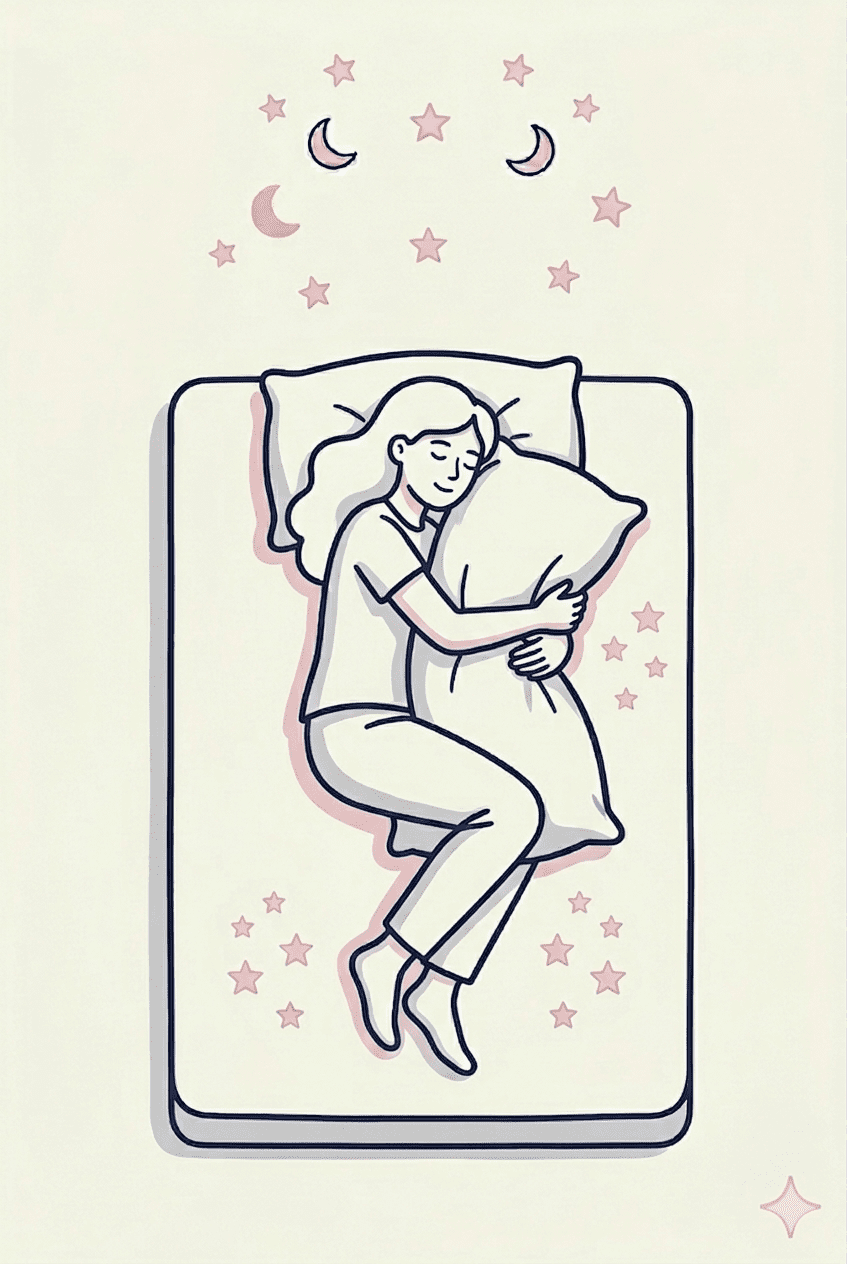
This sleeper hugs a pillow close to their body, and they usually have their limbs wrapped around it in some way.
Meaning: Fancy a hug?
Pillow huggers like to get cosy and be cuddled, cherishing the relationships they have with the important people in their lives above all else.
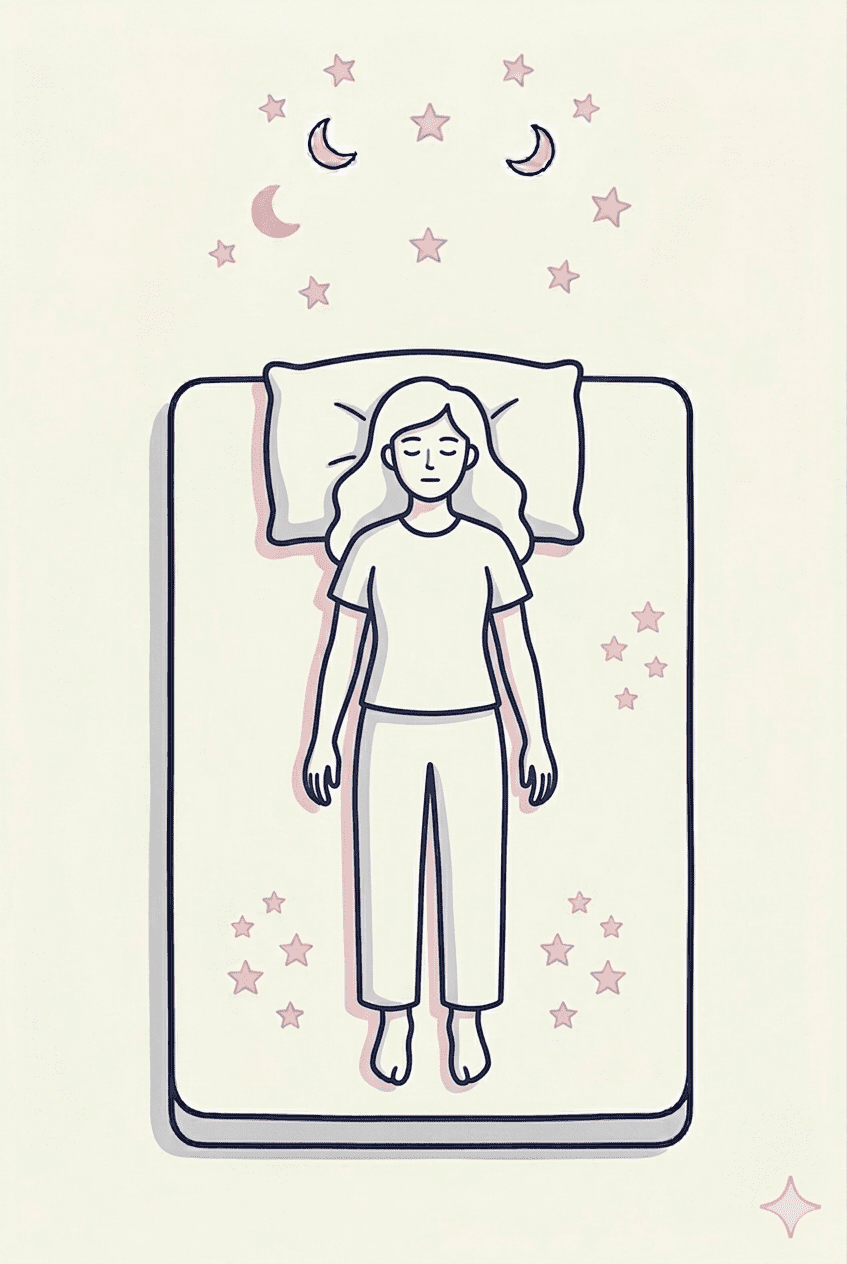
A fairly rigid position: lie on your back, straight like a soldier, with your arms straight by your sides. You may be familiar with this sleeping position, commonly known as sleeping on your back or in a supine position.
Meaning: Attention!
Sleeping in this way will usually mean that you’re quite quiet and reserved. It may also mean you expect both yourself and other people to adhere to strict moral codes and high standards.
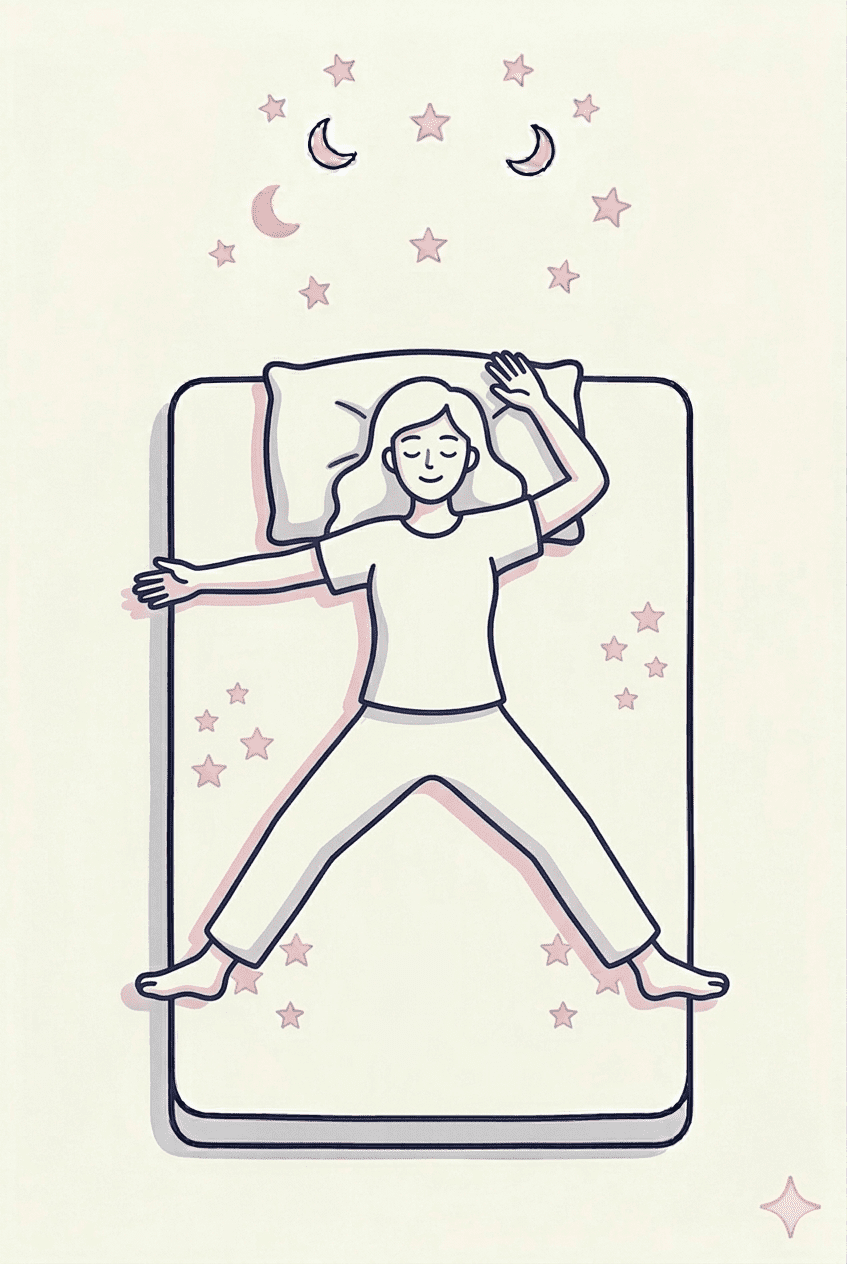
A true mattress hogging type of position, the starfish sleeper spreads their limbs in a carefree manner over the entire bed surface.
Meaning: A flexible friend
Chances are, you’re a true friend if you like to sleep this way, eager to listen to anyone who needs to talk and to help anyone who needs a hand. Surprisingly, you probably don’t really like to be the centre of attention.
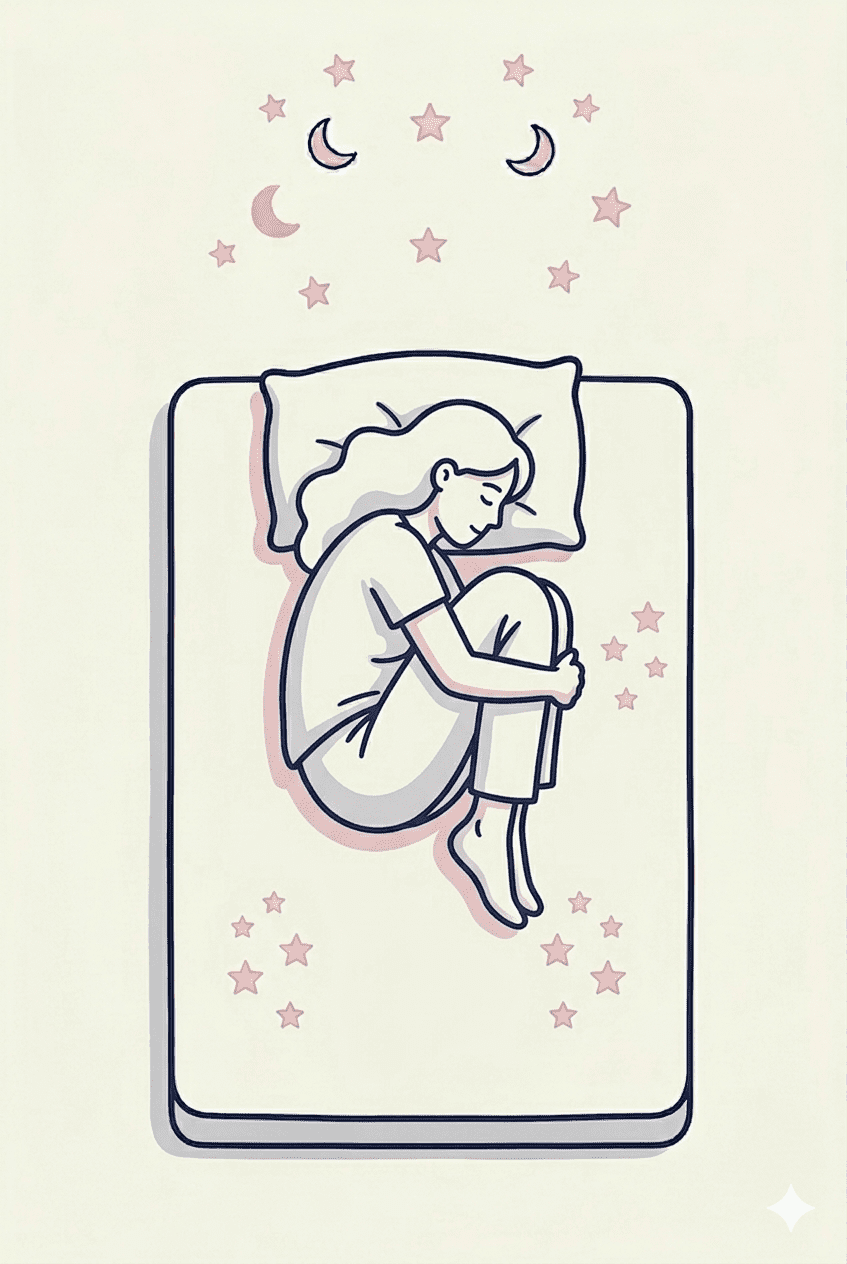
The Foetal Position is Britain’s most popular sleeping position, with 41% of people tending to adopt this position at night. Interestingly, twice as many women as men tend to sleep in this way. It involves curling your knees towards your chest, as if sleeping in the womb.
Meaning: Secret softie
This sleeping position means you’re tough on the outside and soft on the inside. You can be shy to begin with, though you usually open up and relax quite quickly.
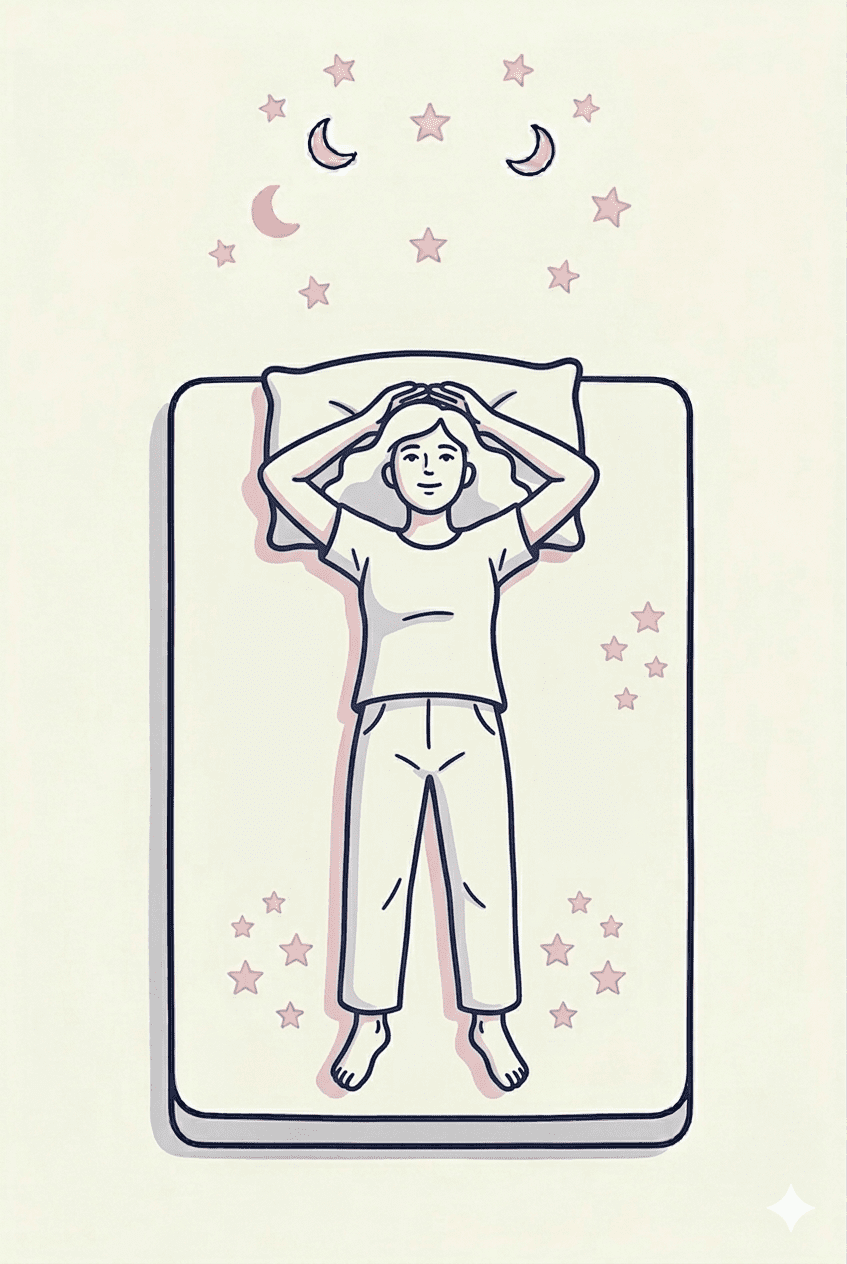
This position isn’t the most popular, possibly because it can mean the sleeper gets a little too cool in the night. The position is quite a vulnerable one, with stargazers lying on their backs with their arms wrapped around their head.
Meaning: The best BFFs
Stargazers prioritise their friends, doing everything they can for those they hold dear. Usually, these sleepers will have a happy, easy-going disposition.
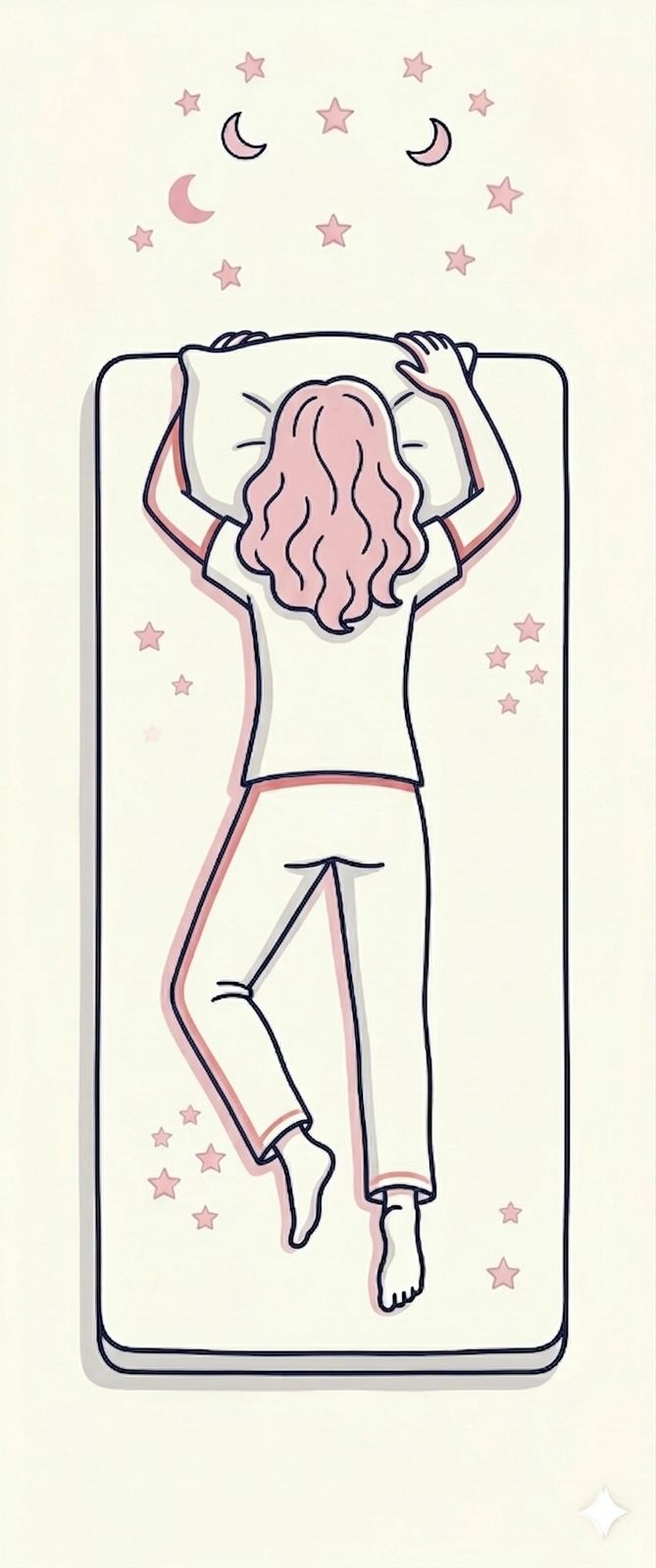
This sleep position makes you look a little like a relaxed skydiver freefalling through the sky, with your arms wrapped around your pillow as you sleep on your stomach.
Meaning: Geronimo…
Sleeping in freefall means you’re bold and sociable, though you might not have the thick skin necessary to deal with criticism or situations you aren’t comfortable with.
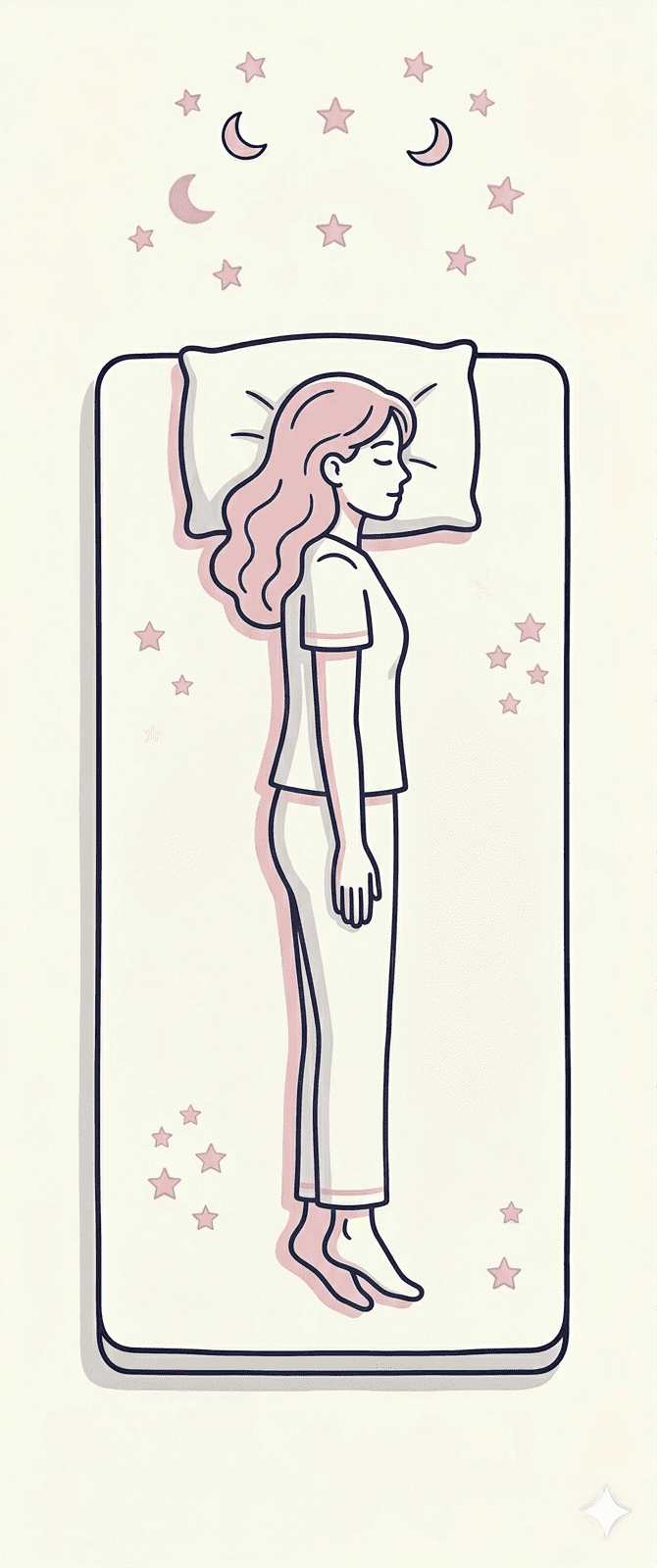
15% of people enjoy sleeping in the log position, making it Britain’s second most popular sleeping position which means it must be comfortable even if it doesn’t look it. Want to try snoozing in this way? Sleep on your side with your arms straight.
Meaning: Naturally carefree
If you tend to sleep like this chances are you’re a bit of a social butterfly, friendly, carefree and popular. However, your trusting nature means you can also fall into the trap of being gullible.
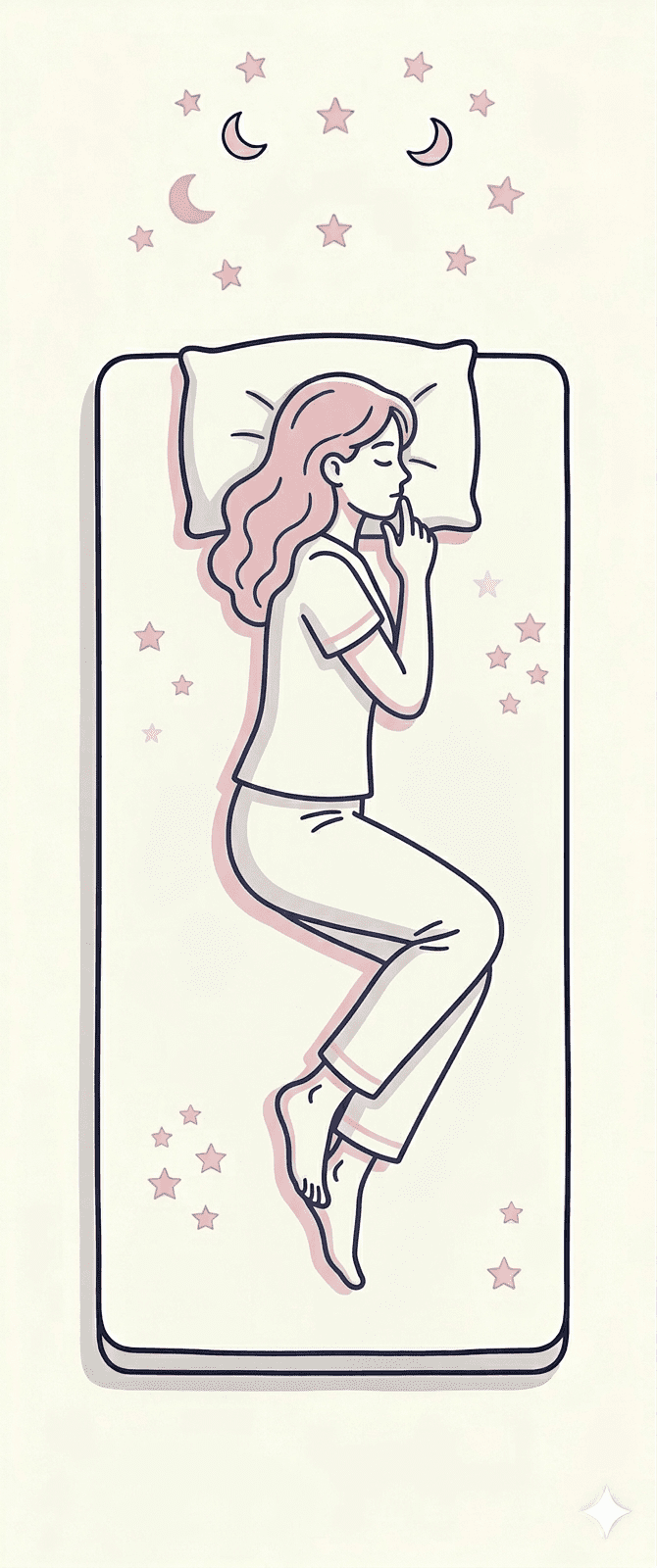
Another sleeping shape that’s like the foetal position, the thinker will sleep curled up with a hand gently resting on their chin, as if pondering something.
Meaning: Emotional evaluator
Those that habitually sleep in this position are more emotional than other sleepers, with both positive and negative emotions running high for those that favour this position.
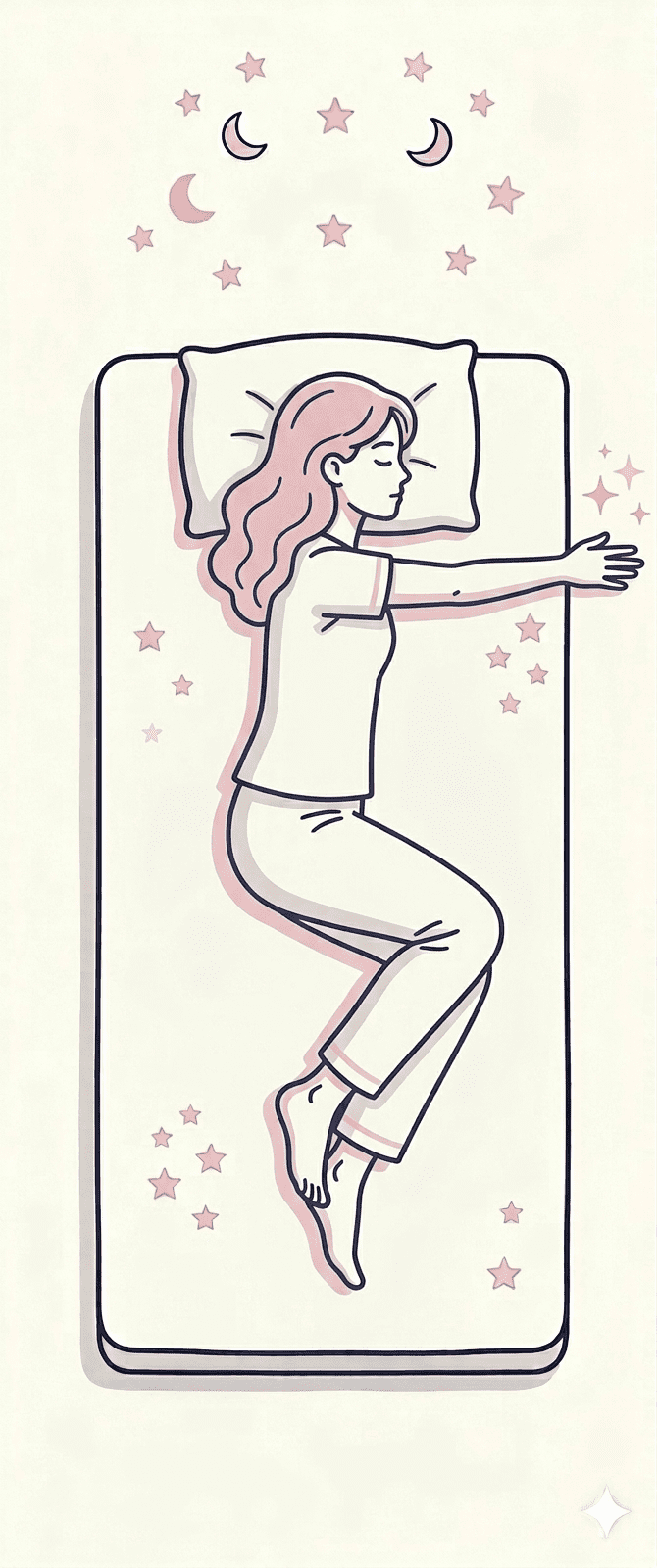
This is Britain’s third most common sleeping position and involves sleeping on your side with arms stretched in front of you, as if trying to reach something.
Meaning: Complex characters
People who sleep like this are a bit of a mixed bag, being both open-minded yet cynical. They are suspicious of their own decisions, though they have a firm resolve once they’ve come to a conclusion.
All sleep position illustrations have been generated by Gemini.
The link between sleeping position and personality makes for a good read. But how solid is the science?
Samuel Dunkell’s well-known work Sleep Positions: The Night Language of the Body identified 17 sleep positions and proposed links between each and personality type, from conciliatory semi-foetal sleepers to self-confident back sleepers. Subsequent studies in the Journal of Clinical Psychology and the North American Journal of Psychology found some support for his observations, though with notable inconsistencies.
The sample sizes in those earlier studies were small, and Dunkell’s approach lacked objective data. A 2012 study with a much larger sample found that:
“The results supporting the relationship of sleep positions and personality were too weak, with small effect sizes, to be useful for any theoretical or clinical purposes.”
In other words: fun to think about, hard to prove. The personality breakdown is a nice framework – just don’t read too much into it.
Position matters more than most of us realise. According to our 2026 Sleep Survey, nearly one in five people (17.7%) cite neck, hip, and lower back pain as a reason for disrupted sleep, while 22.9% say they struggle to get comfortable at night. Getting your position right and pairing it with the right mattress can make a meaningful difference to both.
Back sleeping (the supine position) keeps your spine centred and evenly distributes your body weight. It may help reduce neck and back pain, and there’s some evidence it can slow the formation of facial sleep wrinkles, though this hasn’t been studied extensively enough to call it proven.
For best results, keep your arms symmetrical – one arm raised and the other at your side can create uneven strain on your shoulders and neck. A pillow under your knees can also help take the strain off your lower back. It’s worth knowing that back sleeping isn’t recommended for anyone with sleep apnoea or heavy snoring, as gravity can pull the soft tissue in the throat downward and increase the risk of airway blockages.
For mattresses, back sleepers generally do best with a medium-firm mattress, supportive enough for the lower back, with enough give to avoid pressure points. Explore our guide to sleeping on your back for more details.
Side sleeping is the most popular position for good reason. It’s beneficial for those with sleep apnoea and obstructive snoring, and the left side is specifically recommended for anyone with acid reflux or GERD, as it helps prevent stomach acid from rising. For pregnant women, sleeping on the left side is also recommended, as it may support circulation and reduce pressure on the liver.
Side sleepers tend to do well with a medium or soft memory foam mattress, which cushions the hips and shoulders – the pressure points where side sleepers feel it most. See our guide to sleeping on your side for full recommendations.
Front sleeping (or stomach sleeping) is the least popular position, and it’s easy to see why. While some research suggests it may reduce airway collapse compared to back sleeping, experts generally advise against it, particularly for anyone with neck or back pain. When you sleep on your stomach, your torso sinks under its own weight, which causes your spine to arch out of its natural alignment. If you regularly wake up sore, this is likely why.
If you do sleep on your front, a firmer mattress helps prevent your hips from sinking too far and pulling the spine out of alignment. Look for a pocket spring mattress or memory foam with a firmer tension for even weight distribution. Our guide to sleeping on your front has the full breakdown.
Top tip: Many people shift between positions throughout the night without realising it. If you’re not sure what works best for you, Sleepmatch uses your body measurements and sleep preferences to find a mattress that’s matched to how you actually sleep – whatever position that turns out to be.
The sleeping position you favour could be indicative of your personality, or you could just really like spreading out when it’s time to catch those Zzz’s . . . Whatever the meaning behind your sleeping position, making sure you’re comfortable is key to a good night’s sleep.