
Pregnancy Insomnia: Why It Happens and What Helps
8 Min Read
Last Modified 24 September 2026 First Added 31 March 2023
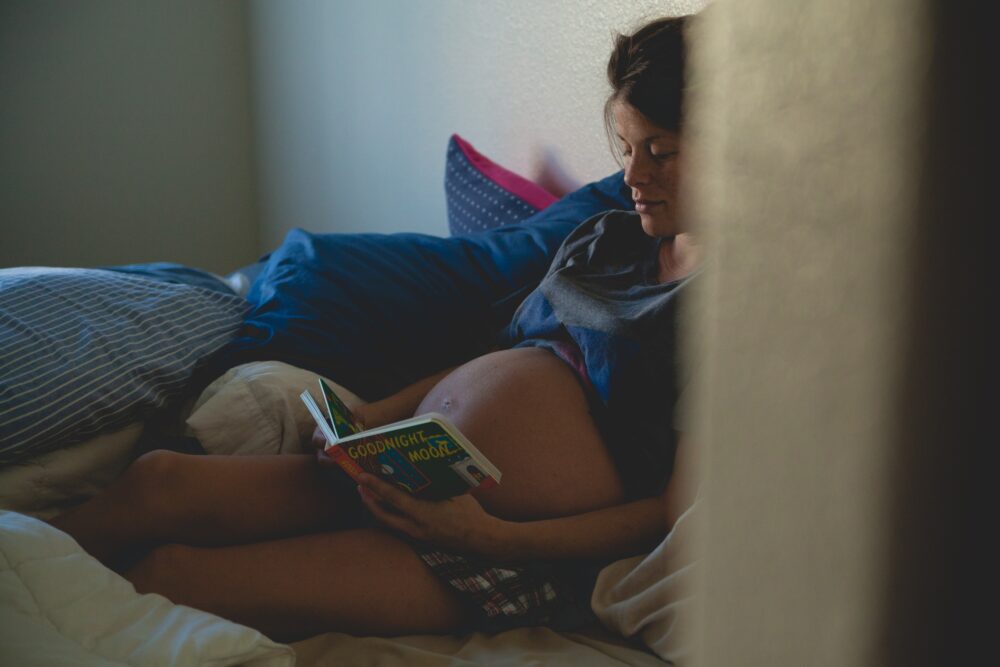
Everyone warns you about the sleep you’ll lose once the baby arrives. Far fewer people mention the months beforehand.
The Life-ON study, which followed 439 women through pregnancy using home sleep monitoring, found that 34% reported poor sleep quality in the first trimester, rising to 46% by the third trimester. Restless legs affected a quarter of them.
The lowdown: Broken sleep is common from the first trimester onwards, driven by hormonal changes, needing the bathroom, heartburn, restless legs, anxiety and later on, the physical difficulty of getting comfortable. Most of it responds to changes in position, timing and routine. Sleep aids and supplements are a different matter in pregnancy, so check with your midwife or pharmacist before taking anything.
Before anything else, one thing is worth knowing. Tommy’s is clear that feeling very tired in pregnancy will not harm you or your baby. It makes daily life harder, and that is a different thing from being dangerous.
Most women sleep reasonably well in the first trimester. What tends to hit instead is extreme tiredness from hormonal changes, along with needing to get up to go to the toilet more often. Sleep disturbance usually starts creeping in during the second trimester, and the third is where most women struggle. That said, a fair number do sleep badly early on. The Life-ON study found a third of women reported poor sleep quality during the first trimester, and daytime sleepiness peaked at that stage rather than later. So if it’s you, it isn’t unusual. Several factors can contribute, including rising progesterone, which directly affects sleep. Nausea is not limited to the mornings for most women. Increased blood volume means more frequent trips to the loo from early on. Anxiety in the first weeks of a pregnancy plays a part, too.
Sleeping badly at eight or nine weeks is therefore a normal and well-documented experience, not a sign that something is wrong. The causes tend to change as pregnancy progresses, and most respond to the practical measures set out below.
Usually several at once, which is why knowing what’s actually waking you helps:
Snoring that’s new or has got noticeably worse is worth mentioning to your midwife. It becomes far more common in pregnancy than people realise. One study found 45% of women snored habitually during pregnancy, and 85% of them had not snored before it. Most of the time, it settles after birth, and it is still worth raising because it occasionally indicates disrupted breathing overnight.
You don’t have to do all of this. Start with whichever one sounds most like your nights:
Sleep on your side from 28 weeks
The NHS advises going to sleep on your side, left or right, once you reach 28 weeks. If you wake up on your back, that isn’t something to worry about. Just turn onto your side and go back to sleep. Our guide to sleeping positions during pregnancy goes into it further.
Use pillows to take the weight off
You could try using one to support your bump and another between your knees. Pregnancy pillows do the same job in one piece, and plenty of ordinary pillows work just as well. Take a look at our guide to sleeping while pregnant for more information.
Move your fluids earlier in the day
Drinking less in the couple of hours before bed can mean fewer trips to the loo overnight, so keep topping up earlier in the day instead. This one is about timing, not drinking less overall.
Eat earlier in the evening
Heartburn has far less to work with if there’s a decent gap between your last meal and bedtime, and propping yourself up a little instead of lying flat takes the edge off, too.
Keep the room cool and the bedding light
Pregnancy tends to make you run warmer, so aim for 16°C to 18°C and open a window if you need to. Loose cotton or bamboo bedclothes hold onto heat far less than synthetics. Our guide to sleep temperature and our breathable bedding both help with that.
Stay active, earlier rather than later
Yoga, a swim or a walk can ease the aches that keep you awake. Just make sure to avoid vigorous exercise in the four hours before bed.
Go easy on caffeine
Tommy’s advises reducing caffeine as much as possible in pregnancy anyway, and avoiding it in the evening particularly, so this one helps twice over.
Get up if you’ve been awake for around twenty minutes
This comes straight out of CBT-I, where the aim is to stop your brain from associating bed with lying awake. Somewhere dim and dull for a few minutes usually resets things better than waiting it out.
Nap if you need to, and keep it short
First trimester exhaustion makes a daytime nap very tempting, and it does take the edge off the sleep pressure you need for that night. If your nights are already bad, a nap may not be helping. If you do need one, have it earlier in the day and keep it to 30 minutes, which gives you the benefit without eating into the night.

Check with your midwife or GP before starting anything, including over-the-counter products and anything that calls itself natural. Tommy’s is clear that sleep medication isn’t usually recommended in pregnancy, and that covers prescription tablets, herbal remedies and over-the-counter aids alike. If sleep loss is affecting your mental health or your ability to get through the day, say so, because there are options your GP can talk through with you.
Melatonin comes up most. It’s prescription-only in the UK and easy enough to buy abroad or online, which is exactly why people ask. A 2022 review of the human studies on melatonin in pregnancy and breastfeeding found that there still isn’t much evidence either way. Nobody can tell you it’s unsafe, and nobody can tell you it’s safe. Your midwife, GP or pharmacist is the right person to ask.
The alternative is cognitive behavioural therapy for insomnia, or CBT-I, which works on the thoughts and habits keeping sleep broken. A randomised controlled trial gave pregnant women five sessions and found 64% reached remission against 52% in the comparison group, with a greater improvement in low mood too. It can be delivered remotely as well as face-to-face. Ask your GP or midwife what’s available locally.
Your midwife would rather hear from you than have you lie awake wondering. Get in touch if any of this applies:
Yes. A third of women in the Life-ON study reported poor sleep quality during the first trimester, and daytime sleepiness peaks in that trimester too. Sleeping badly that early is very common.
Pillow support for side sleeping, shifting fluids and meals earlier in the evening, keeping the bedroom cool and getting up briefly if you’ve been lying awake a while. Treating restless legs and heartburn directly makes a bigger difference than general sleep advice if either is what’s waking you.
When it’s stopping you from functioning in the day, when anxiety or low mood is a bigger part of it than physical discomfort, or when it comes with heavy snoring or waking up short of breath. Severe restless legs is worth raising too, because low iron is treatable.
Struggling to get comfortable? Read our guide to sleeping positions during pregnancy for what’s recommended at each stage.