Shift Work Sleep Disorder: A Survival Guide for Your Sleep Cycles
9 Min Read |
Last Modified 11 August 2026 First Added 1 June 2026

It’s 3 am. The motorway is empty. The radio’s playing something you half recognise. The rest of the world is fast asleep under their duvets, and you’re wide awake at work.
For roughly 4.1 million people in the UK who work night shifts, this is just an ordinary day at the office. Nurses, lorry drivers, carers, factory crews, hotel staff and paramedics. Somebody has to keep things running while everyone else clocks off.
The tricky part isn’t the work. It’s everything that comes after. You get home as the sun’s coming up, draw the curtains against a bright morning and try to convince your body it’s bedtime while next door fires up the lawnmower. If daytime sleep feels like a losing battle, there’s a name for what you might be dealing with. We’ll explain what it is, why it happens and the small changes that genuinely help.
The lowdown: Shift work sleep disorder hits when your hours clash with your body clock, leaving you tired when you should be sharp. The fixes are simple. A cool, dark, quiet room, a comfortable bed, a nap before your shift and careful caffeine timing. Take care driving home, and if it drags on for weeks, speak to a GP.
Shift work sleep disorder, sometimes shortened to SWSD, is a circadian rhythm sleep disorder that affects people working outside the usual nine-to-five. That covers night shifts, very early starts and rotating patterns that never quite settle. In plain terms, your job asks you to be awake when your body wants to sleep, and asleep when it wants to be awake.
Not everyone who works shifts ends up with it. The Cleveland Clinic estimates it affects somewhere between 10% and 40% of people on non-traditional shifts. The two main signs are trouble sleeping when you finally get the chance, and heavy sleepiness when you’re meant to be wide awake.
It’s more common than you might think, and it’s well documented. A study published in the journal Chest found that roughly 1 in 5 shift workers develops the disorder.
Deep in your brain sits a kind of master clock that runs on a roughly 24-hour cycle, and it takes its main cue from light. These are your circadian rhythms, which determine when you feel alert and when you feel sleepy.
When daylight hits your eyes, your brain dials down melatonin, the hormone that helps you drift off. Melatonin levels are naturally highest at night and lowest during the day. So when you crawl into bed at 8 am, your body is busy ramping up for the day rather than winding down. Night shift workers often sleep during daylight, exactly when the body’s wake-up signals are at their strongest, which makes that sleep shorter and more broken.
Daytime sleep is simply less efficient than the nighttime kind. As The Sleep Charity puts it, you’re up against light, noise and a body clock that thinks you should be vertical. The shortfall mounts up too, with research finding that shift workers get around 10 fewer hours of sleep a week than people on day shifts. Understanding your natural sleep cycles goes a long way toward explaining why the day shift feels so different from the night one.
Most of us feel rough after a bad night. With shift work sleep disorder, the tiredness sticks around. The Sleep Charity lists the symptoms to keep an eye on:
Those microsleeps are the ones to take seriously. A few lost seconds at a machine or behind the wheel is no small thing. The stakes are real, and The Sleep Charity reports a 25% to 30% higher risk of injury on night shifts than on day shifts, and the same is true of 12-hour shifts compared with eight-hour shifts. Long stretches of broken rest also take a wider toll on the body, which is why the effects of sleep deprivation are worth understanding rather than shrugging off.

Most shift workers clock one to four hours less sleep than everyone else, when the body is really after seven to nine. If you’re asking yours to sleep through a bright, busy morning, the room has to do some heavy lifting.
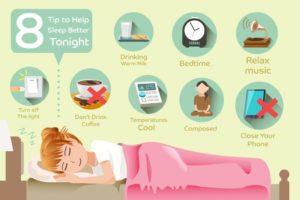
Both the research and The Sleep Charity point to the same checklist. Keep the room cool, dark, quiet and uncluttered. Blackout curtains or blinds make a real difference, and an eye mask covers whatever light sneaks through. Earplugs or a steady background hum help muffle daytime noise, which is where white, pink and brown noise can earn their keep. Getting the temperature right matters too, so it’s worth knowing the best temperature for sleep.
One thing that’s easy to overlook is the bed itself. Make sure you’re sleeping on a comfortable one, and when you’re fighting your own biology for every hour of rest, a comfortable, supportive mattress is doing real work on your behalf. If you’re not sure what suits you, our Sleepmatch tool can point you in the right direction.
A few more touches that help:
Caffeine is a shift worker’s best friend and worst enemy. Used well, a coffee keeps you alert through the quiet hours. Used late, it’ll still be in your system when you’re trying to sleep. The Sleep Foundation suggests steering clear of caffeine for eight hours before bed, and it’s worth reading up on caffeine and sleep if you lean on it to get through a long one.
Food plays its part as well. A heavy, fatty meal sits awkwardly when you’re about to lie down, so something lighter tends to go down better before daytime sleep.
A planned nap before or during a night shift lifts your alertness when you need it most. Research goes a step further and suggests a short pre-shift nap of around half an hour, paired with a sensible dose of caffeine, to see you through the small hours.
The Sleep Charity recommends a nap of around 90 minutes at home before a night shift, which tops up your energy if you’re switching from days to nights. After your final night shift, a short morning nap of one to two hours before midday helps, then try to get on with a normal day. If you want to get the timing right, our guide to daytime napping breaks it down.
One word of caution. Naps can leave you groggy for a little while afterwards, so the research suggests giving yourself time to shake it off before driving or operating anything that needs your full attention.
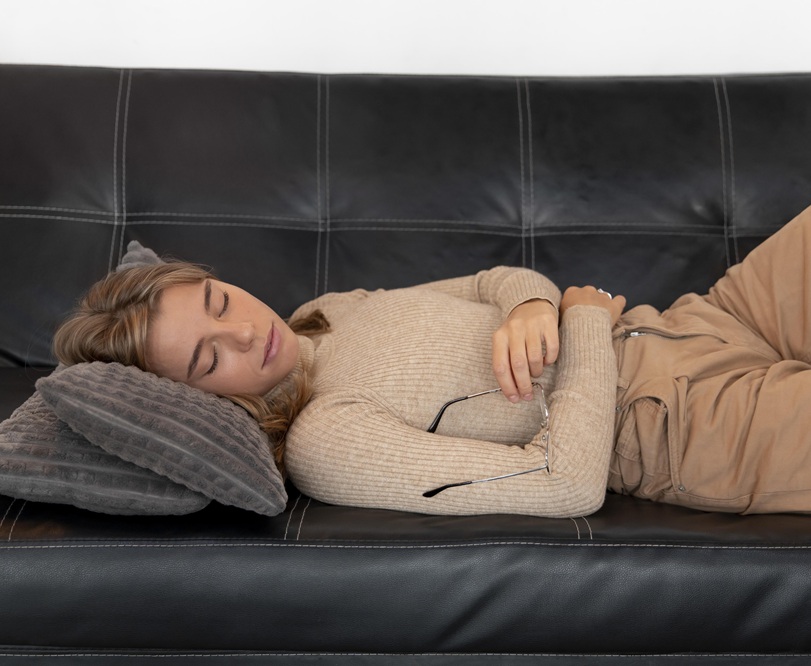
The drive home after a night shift is one of the riskiest parts of the whole job. The signal keeping you awake is at rock bottom in the early morning, and research found that staying awake for 24 hours can leave you performing as if you were over the drink-drive limit. The same review reports that workplace accidents are around 60% higher among shift workers.
The Sleep Charity flags shift drivers as a high-risk group for fatigue-related crashes, especially at the end of a long night. If you can, take public transport or a taxi home. If you have to drive and you feel sleepy, delay the journey and have a power nap first. Wearing sunglasses on the way home keeps that wake-up daylight out of your eyes, though never while you’re actually driving.
Stacking up too many nights in a row makes everything harder. The Cleveland Clinic suggests capping night shifts at five or fewer in a row, where you can, with days off in between, and limiting 12-hour shifts to four on the trot. After a run of nights, more than 48 hours off gives your body a proper chance to recover.
Rotating shifts are the toughest of the lot because your clock never gets to settle. If your rota does rotate, forward-rotating patterns that move from days to evenings to nights tend to sit better with your body than the reverse. It’s the same idea behind learning how to reset your body clock after a big change.
A few rough days when you start a new pattern are normal. When the tiredness, low mood or sleep trouble carries on for weeks, that’s the point to get some help. Doctors can often diagnose shift work sleep disorder when symptoms have stuck around for about three months, and keeping a sleep diary for a couple of weeks gives them a clear picture to work from.
There are treatments that help, from carefully timed light to medication, and a GP can talk you through what suits your situation. Melatonin comes up a lot in the research as one option, though in the UK it’s only available on prescription, so that’s a conversation to have with a healthcare professional rather than something to sort yourself.
Working nights asks a lot of you. The world isn’t really built for people who sleep while everyone else is at their desks, and no eye mask is going to change that overnight. What you can change is how kind you are to your own rest. Get the room dark, time your coffee, nap with a plan and treat the drive home with the respect it deserves. Do all that, and 3 am on an empty motorway starts to feel a good deal more manageable.
Have a go at our Sleep Cycle Calculator to find the best times to fall asleep and wake up, so you come around between cycles rather than in the middle of one.