How to Get Out of Bed When It’s Cold
5 Min Read |
Last Modified 2 November 2026 First Added 16 October 2020

Dark skies, a cold floor and a bedroom that hasn’t warmed up yet can make winter mornings a tough sell. When we asked UK adults about their usual reasons for a bad night’s sleep, 13% named being too cold. Leaving a warm bed on a frosty morning may never feel like a treat, though a little planning may take the edge off the chill.
The lowdown: Setting the heating to come on before the alarm, keeping warm layers within reach and wearing something cosy to bed may all make cold mornings easier. Once the alarm goes off, letting in daylight, moving around and having something warm to eat or drink may help you warm up quickly.
Body temperature naturally dips overnight and reaches its lowest point in the early hours, a few hours before waking, according to a study of 172 adults. Many homes cool down while the heating is off, so the gap between a warm duvet and a cold bedroom may feel biggest in the morning. Our guide to why we get cold at night explains more.
Also, shorter, darker winter days may make getting up feel harder. Less daylight may increase melatonin levels, the hormone that helps us feel sleepy. Higher melatonin levels could help explain why getting up in the dark can feel like such hard work.
A few minutes of prep before bed may give the morning a head start.
Setting the heating timer to switch on before getting up is one of the official winter tips from nidirect, the Northern Ireland government website. A slightly cooler bedroom may suit sleep, and there’s more on how to get the balance right in our sleep temperature guide.
Several thin layers may keep you warmer than one thick layer. Leaving a jumper, dressing gown and slippers within arm’s reach of the bed may make the first few seconds out from under the duvet a lot less bracing.
Bed socks and thermal underwear can help keep you warm at night, according to cold weather advice. Our Sleep Survey found pyjamas are the most popular way to sleep, preferred by 44% of UK adults. Almost one in five (18%) sleep naked, which could make for a very brisk start to a winter’s day. Our nightwear guide has more ideas.
Keeping the bedroom window shut on cold nights is one of the winter tips from NHS 111 Wales. Heavy curtains and a draught excluder (or a rolled-up towel) at the bottom of the door may help retain the warmth.
Going to bed and getting up at about the same times every day, weekends included, is one of the sleep tips from the US Centers for Disease Control and Prevention. And our bedtime routine guide is full of ideas for winding down.

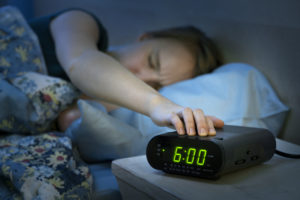
The first few minutes after the alarm may be the hardest part of a cold morning.
A sunrise alarm slowly brightens the room before it’s time to get up. In a small study of 17 young men, waking to a gradually brightening light lifted their mood and well-being after a short night’s sleep.
Snoozing is a popular habit, and 55% of the people we surveyed hit snooze at least some days, rising to 84% of 18- to 24-year-olds. A 2023 study found that 30 minutes of snoozing didn’t harm the cognitive performance of 31 regular snoozers, so the odd snooze may be nothing to feel guilty about. For anyone keen to skip it, leaving the alarm on the other side of the room means getting out of bed to switch it off.
Opening the curtains first thing is an easy way to let in some morning light. Around 30 minutes outside in daylight, especially early in the day, may help the body feel more alert. If getting outside isn’t possible, a brightly lit room is the next best option. Our guide to dark mornings has more tips for getting up before sunrise.

A few small habits may help the chill wear off once both feet are on the floor.
Eating at least one hot meal a day is recommended to stay warm in winter, and a bowl of porridge or a warm drink can make for a cosy start. There’s more inspiration in our morning drinks guide.
Staying active may help you stay warm in winter, and a few stretches or a quick lap around the house may be a good place to start.
A warm shower can be a comforting way to start a cold day. Hanging a towel or the day’s clothes on a warm radiator first may mean there’s no shock of cold cotton afterwards.

A higher-tog duvet, an extra layer of bedding or an electric blanket may help keep the bed warm overnight. Always follow the manufacturer’s instructions for electric blankets, including whether they’re designed to stay on all night.
Winter can affect mood and energy for some people. Seasonal affective disorder (SAD) is a type of depression that usually comes back in winter, and extra tiredness and sleeping for longer are among its symptoms. Anyone who thinks they may have SAD can speak to a GP.
Light boxes, sometimes called SAD lamps, give off bright light designed to simulate daylight. Light therapy is not usually available on the NHS because there isn’t enough evidence on whether it works, though many people say it helps. Speaking to a GP before trying a light box is recommended, especially for anyone with certain eye conditions or taking medicines that make them more sensitive to light.
Finding it really hard to get out of bed morning after morning, whatever the weather, is sometimes called dysania. Our guide to dysania explains what may be behind it and when to speak to a GP.