Does Lavender Help You Sleep?
7 Min Read |
Last Modified 23 November 2026 First Added 14 April 2025

Real-life bedtimes can involve a mountain of washing, one last scroll and a pet who’s pinched your side of the bed. Somewhere in the middle, a spritz of lavender pillow spray or a lavender bubble bath can feel like a little treat.
Can lavender really help you sleep, though? Researchers have been putting it to the test, and the early results look promising. We’ve rounded up what the research says, why lavender might help and the best (and safest) ways to use lavender oil at bedtime.
The lowdown: Lavender may help you sleep. Research suggests breathing in lavender oil could improve sleep quality, and its calming scent may make it easier to drift off. Try a few drops in a diffuser, a pillow spray or diluted oil on your wrists. Never swallow essential oils or use them undiluted on skin, and keep them away from cats.

Lavender oil may help you sleep, and the research so far is encouraging. A 2025 review of randomised controlled trials found that lavender essential oil improved sleep quality in adults, although the authors say more high-quality studies are needed to confirm it.
In one trial, students with sleep issues wore a lavender patch at night alongside good sleep habits. They had better sleep quality than students who followed the sleep habits alone. The difference was still there two weeks later, and the lavender group also reported waking up feeling more refreshed.
“Lavender can help you sleep better if you’re having mild problems with sleep.”
Rafael Pelayo, a sleep specialist at Stanford Health Care, speaking to Mic
Lavender may work best as a sidekick to good sleep habits, like a regular bedtime and a cool, dark bedroom. Our guide to the perfect evening routine is a lovely place to start.
Scientists are still working out exactly how lavender may help with sleep. The plant belongs to the mint family, and its oil is steam-distilled from the flowers. Its main ingredients are two tongue-twisters called linalool and linalyl acetate.
When you breathe in an essential oil, its compounds are thought to enter the bloodstream through the lungs and act on the limbic system. That’s the part of the brain involved in emotions.
Lavender may help calm the body too. In a small study of 20 healthy adults, breathing in lavender oil lowered blood pressure, heart rate and skin temperature, and people said they felt fresher and more relaxed.
Lying awake replaying tomorrow’s to-do list? A busy mind can make it harder to drift off. A review of studies found that breathing in lavender can significantly reduce anxiety levels, which could make it easier to switch off at bedtime.
There may be a little mind magic involved, too. Some research suggests that expectations about lavender’s effectiveness could affect how well it works. Using it at the same point in your wind-down routine each night may help your brain link that lovely smell with sleep.
Lavender is unlikely to knock you out as a sleeping pill would. Its calming scent may help you feel relaxed and ready for bed, which can make it easier to nod off.
In a sleep lab study, sniffing lavender before bed increased the amount of deep sleep people got, and everyone reported feeling more vigorous the next morning. The researchers described lavender as a mild sedative.

There’s more than one way to bring lavender to bed. Whichever you choose, try making it part of your wind-down routine at around the same time each night.
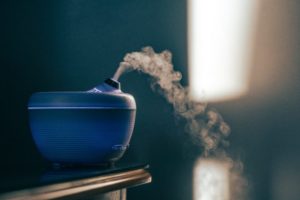
An electric diffuser gently fills your bedroom with lavender while you get ready for bed. Add a few drops of lavender oil to the water, following the instructions for your diffuser, and switch it on as you start winding down. A diffuser with a timer can switch itself off once you’ve drifted off.
Pillow sprays are a quick and easy way to try lavender for sleep, and they’re a firm favourite. When we asked about sleep aids in our 2026 Sleep Survey, pillow sprays came out on top. More than one in five people (21%) have used a pillow spray or mist to help them sleep. A light mist over your pillow from arm’s length is plenty, and letting it dry for a few minutes before you snuggle down can stop it from feeling damp.
Essential oils are very strong, so they should never go on your skin undiluted. Mix a few drops of lavender oil with a carrier oil like sweet almond or jojoba, following the label’s instructions, then dab a little on your wrists or chest. A ready-made lavender body oil is already diluted for you. Try a patch test on a small area of skin first to check that it agrees with you.
A warm bath before bed can be a lovely way to unwind, and a little lavender can make it feel extra dreamy. Essential oils don’t dissolve in water without a dispersant, so mix a few drops with an unscented bubble bath first or pick a ready-made lavender bath product. Find out more about the benefits of a hot bath for sleep.
A lavender candle adds a soft glow and a gentle scent while you read or relax. Just make sure it’s blown out before you start to feel sleepy, and never leave a lit candle unattended.
A pot of lavender on a sunny windowsill brings a little garden calm indoors, and its gentle scent may help your bedroom feel more relaxing. It’s one of our favourite bedroom plants to help you sleep, and it looks pretty too.

Lavender may sound gentle, but its essential oil is very concentrated. A few simple steps can help you enjoy it safely:
Never swallow it
Essential oils should never be swallowed and are best kept well out of reach of children.
Always dilute it for skin
Mix lavender oil with a carrier oil before it touches your skin, and stop using it if you notice any redness or itching.
Check with your GP first
Anyone who is pregnant, has a health condition or takes medication should speak to their GP or a healthcare professional before using essential oils. The same goes for using them around babies and young children.
Go gently if you have asthma
Strong scents can bother some people’s airways, and people with asthma should take care when breathing in vaporised oils. Anyone with asthma who’s unsure should speak to their GP or a healthcare professional first.
Keep diffusers away from cats
Cats may love a cosy bedroom as much as we do. Lavender oil is toxic to cats, whether it’s licked, touched or breathed in. Keep them out of rooms with a diffuser and air the room well before letting them back in.
Know when to get help
Lavender may help with the odd restless night. Anyone who regularly struggles to sleep or whose sleep problems are affecting daily life should speak to their GP or a healthcare professional. Our guide on how to beat insomnia has more ideas to try.
Where you put lavender oil for sleep depends on how you like to use it. You can add a few drops to a diffuser, mist a lavender spray over your pillow or dab diluted oil on your wrists or chest. Always mix it with a carrier oil before it goes on your skin.
It’s best not to put neat lavender oil directly on your pillow, as it may mark your pillowcase and could irritate your skin. A ready-made lavender pillow spray can give a lighter, more even scent.
A lavender diffuser can be a lovely part of bedtime when it’s used with care. Choosing one with a timer means it can switch itself off after you fall asleep, so it isn’t running all night. Follow the manufacturer’s instructions, keep it out of reach of children and keep cats out of the room, as lavender oil is toxic to them.