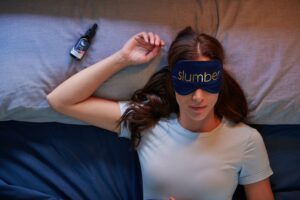
Orthosomnia: Why Chasing the Perfect Sleep Might Be Keeping You Awake
8 Min Read |
Last Modified 30 July 2026 First Added 30 October 2024
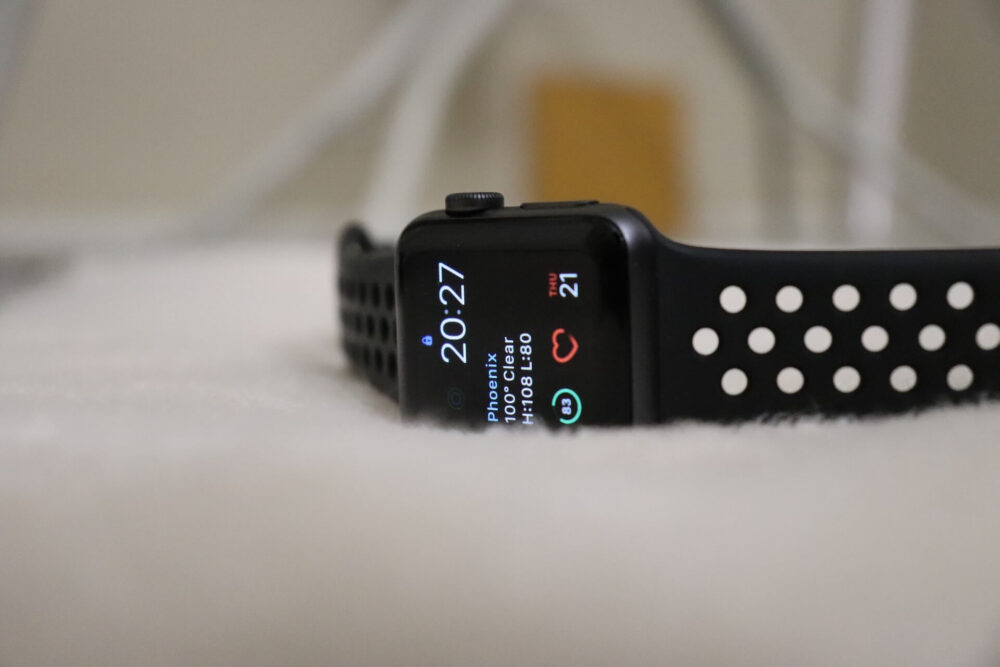
From sleep hygiene and brown noise to bedtime routines and melatonin, our shut-eye has been a hot topic for the best part of a decade. We’ve ditched the all-nighters, embraced the joy of missing out and got far savvier about how much rest really matters. So far so good. But somewhere along the way, some of us have started treating sleep like a test we have to ace.
More and more of us wear a tracker to keep tabs on every minute in bed. Watches and apps log how long we sleep, break down our REM cycles and map every toss and turn. That insight can be brilliant. It can also tip into something less helpful, where the score matters more than how you actually feel.
Orthosomnia is the stress and anxiety that can build up around sleep quality, usually triggered by leaning too hard on sleep-tracker data. The term was coined in 2017 by Dr Kelly Glazer Baron and colleagues in a study in the Journal of Clinical Sleep Medicine. They borrowed from ‘orthorexia’, the fixation on perfectly healthy eating, pairing ‘ortho’ (correct or straight) with ‘somnia’ (sleep). The idea is simple. When the goal becomes a flawless score rather than feeling rested, the worry itself starts getting in the way.
In that original research, people became so fixated on hitting the ‘perfect’ night that the pressure made it harder to relax and fall asleep. One patient who was already approaching eight hours felt anxious every night unless his tracker confirmed it. The more they chased the numbers, the more reliant on the device they became, and the harder it was to break the cycle.
A later commentary, fittingly titled The Tale of Orthosomnia, built on this, pointing out how constant monitoring can quietly do the opposite of what we hope. Stress like this raises cortisol, a hormone that disrupts sleep, so instead of better rest, the habit can reinforce the very problem people are trying to fix.
Sleep tracking has gone mainstream, so it helps to know how widespread the downside might be. Around a quarter of adults now use a wearable sleep tracker. A 2024 cross-sectional study estimated the prevalence of orthosomnia among tracker users at 3%-14%, depending on how strictly it’s defined. It’s still an emerging area with limited research, so read those figures as early estimates rather than settled facts.
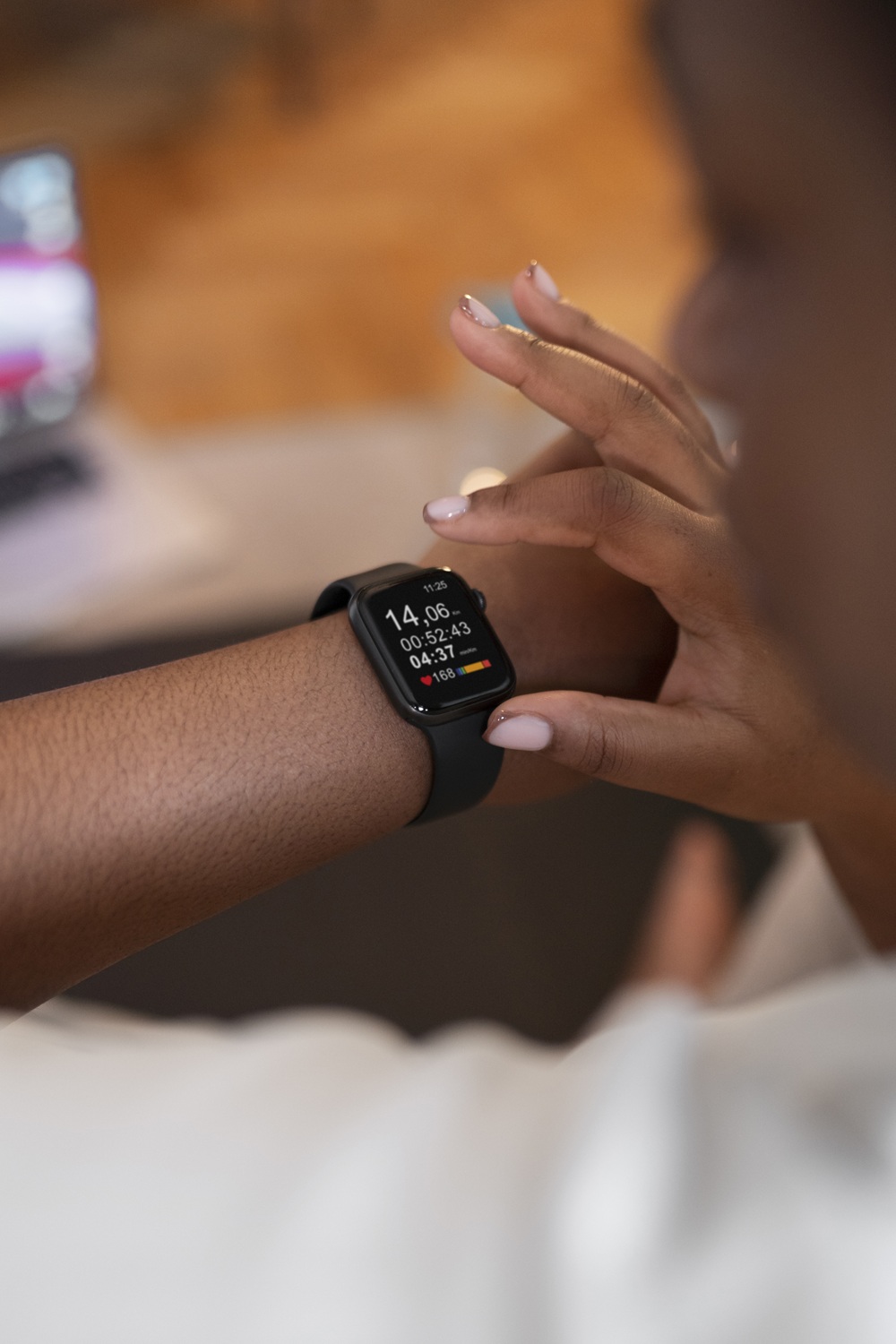
Sleep trackers now live on most smartwatches and in plenty of apps. They use sensors like heart-rate monitors and movement detectors to estimate your sleep through the night, then hand you a sleep-quality score each morning. Many go further and break your night into stages, showing how long you spent in light, deep and REM sleep.
Used well, a tracker can be a real help. It can flag possible signs of sleep apnea or snoring worth getting checked, and nudge you towards healthier habits. Personalised data can help you work out how much rest you actually need and make sense of the sleep cycles you move through each night. Trackers can also send bedtime reminders and help you set realistic goals, which makes it that bit easier to put the next episode down and head to bed. We’ve all been there.
Curious how much sleep you should aim for? Try our Sleep Cycle Calculator.
For all their upsides, trackers have limits. These devices aren’t always reliable or accurate, and most aren’t medical-grade kits. Some give only surface-level readings and miss the context of your own circumstances, which makes the results easy to misread.
Scoring your sleep can also pile on pressure to chase a ‘perfect’ night, and that stress is exactly what keeps people awake. For some, it spirals into checking, re-checking and planning more sleep than they need, or ignoring the fact they’re tired well before their ‘official’ bedtime. Trackers can be genuinely useful. The trick is to treat them as a guide and still listen to your body.
If you’ve been tossing and turning, feeling pressured by your nighttime goals or spending a long time poring over your data, you may be experiencing orthosomnia. A few things to look out for:
Orthosomnia can affect both the quality and quantity of your sleep, with knock-on effects that look a lot like insomnia. Think fatigue through the day, irritability, poor concentration, patchy memory and even anxiety. By disrupting your natural circadian rhythm, these symptoms can feed a cycle that makes sleep harder still.
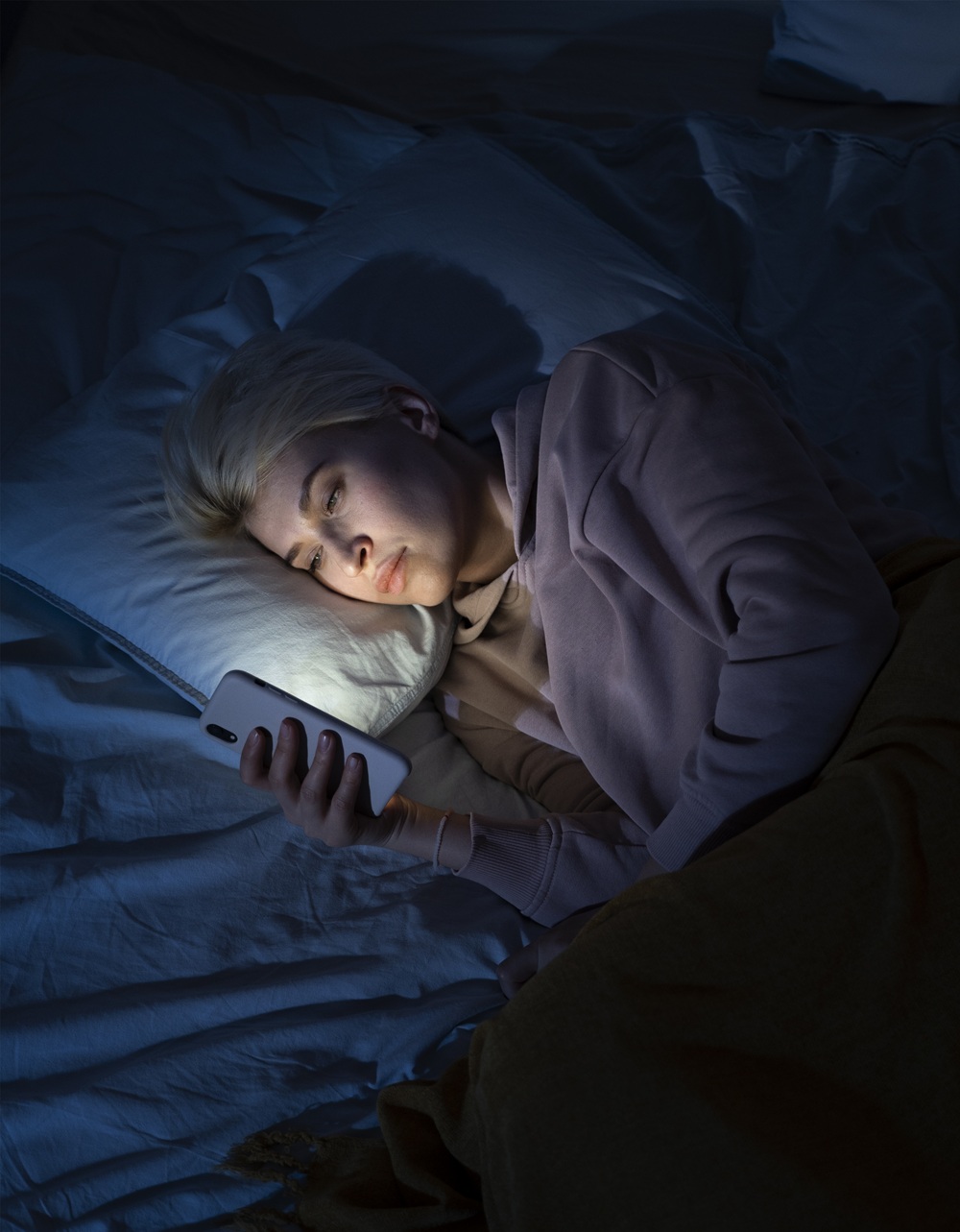
They look similar, but they’re not the same, and the difference comes down to the cause. Insomnia is a recognised sleep disorder, marked by ongoing trouble falling or staying asleep and often tied to stress and lifestyle. Orthosomnia is the term used for the knock-on anxiety created by sleep trackers specifically.
The two can overlap as well. Orthosomnia can sit on top of insomnia and make it worse, and the tracker-driven worry can linger even after another sleep issue has been sorted. If you’re dealing with both, it’s worth reading our tips on calming anxiety for a better night’s sleep.
Orthosomnia isn’t a recognised sleep condition yet, but there are useful ways to ease it:
Putting the tracker down and taking a more natural approach can help you focus on relaxing, which takes the pressure off sleep performance. Over time, it lets you rebuild a healthier relationship with rest. It’s also a neat way to avoid screens before bed, which are well known for causing sleep problems. Our piece on how social media affects sleep has more on that.

Orthosomnia tends to ramp up stress around bedtime, so set aside a little time each evening to unwind. Whether you’re a fan of a warm bath or prefer to read before lights out, calming the mind is the way in to a peaceful night. We’ve gathered more relaxation techniques to help you sleep, too.
Clear out anything that might disturb you in the night. Make sure your mattress is comfortable, your room is at a comfortable temperature (16-20°C tends to suit most people), and that lights and noisy appliances are switched off. For more on getting the space right, see how to turn your bedroom into a sleep sanctuary.

It’s tempting to grab a few daytime Zzzs after a restless night, but that can make orthosomnia worse. To feel properly ready for bed, it’s best to limit daytime napping. If you do nap, our guide to daytime napping shows how to do so without upsetting your nighttime routine.
Often used for obsessive patterns of thinking, cognitive behavioural therapy can be an effective option for orthosomnia. By helping you spot and challenge unhelpful thoughts, it can rebuild a calmer relationship with sleep and put you back in charge of bedtime.
If worry about your sleep score is keeping you up and starting to affect your daily life, it’s worth speaking to a GP or sleep specialist about getting your rest back on track, trackers aside.
Data can be handy for spotting patterns, but it isn’t the whole story of a good night. Trust how you feel in the morning as much as the number on the screen, and let bedtime go back to being something you look forward to. For more ways to rest easy, have a browse of our Sleep Matters hub.