
What Happens to Your Body During 8 Hours of Sleep?
6 Min Read |
Last Modified 30 July 2026 First Added 24 July 2016
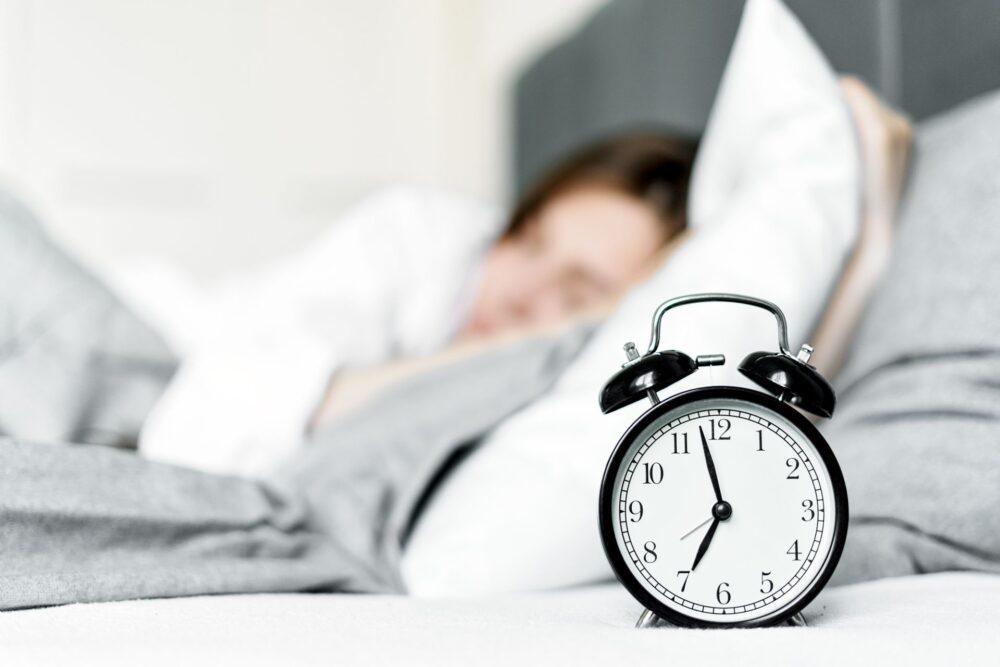
We’re often told we need around eight hours of sleep a night, though it’s rarely achieved. Our research found that 53% of UK adults get less than the recommended hours. But what is all that sleep actually for? Far from switching off, your body spends the night working through a careful routine of repair and recovery, one system at a time. Here’s what’s going on under the surface while you’re out cold.
Sleep can feel like you simply switch off, but your body stays remarkably busy. While your mind rests, your heart, lungs, muscles, hormones, immune system and brain all shift into a kind of overnight maintenance mode, taking care of repair and recovery that’s hard to do while you’re up and about. All of this unfolds as you move through your sleep cycles. Here we’re focusing on the body itself, system by system. For the stages of sleep and how they fit together, see our guide to what happens when we sleep.
As you drift off, your heart rate slows and your blood pressure drops, reaching its lowest point in deep sleep. This is your body switching into its rest-and-digest mode, which takes the strain off your cardiovascular system and gives your heart a proper break. That nightly rest matters more than you might think. In 2022, the American Heart Association added sleep to its checklist of essentials for a healthy heart, recommending seven to nine hours a night, and regularly missing out is linked to raised blood pressure and added strain on the heart. Curious what’s normal? See our guide to a healthy sleeping heart rate.
Your breathing follows your heart’s lead, becoming slower and more even as you settle, then speeding up and turning a little irregular when you reach dreaming sleep. Your core temperature drops slightly, too, which helps your body conserve energy for the repair work ahead. That dip is part of why a cool bedroom helps you nod off, and why you warm up again in the hours before you wake. If you tend to overheat, our guide on night sweats may help.
Your muscles let go of their tension as you fall asleep, and in dreaming sleep, they switch off almost entirely, a temporary paralysis that stops you from acting out your dreams. The bigger job happens in deep sleep. Blood flow to your muscles increases, and your body repairs the wear and tear of the day, knitting tissue back together and restoring energy. If you exercise, this is when much of your recovery happens, which is one reason a comfortable, supportive mattress matters, since unbroken sleep means more time in the deep stages where repair takes place.
Sleep is when your body releases and balances a string of important hormones. Your growth hormone, which drives tissue repair and growth, is released mainly in deep sleep. Cortisol, your main stress and waking hormone, falls to its lowest overnight and climbs again towards morning to help rouse you. Sleep also helps keep the hormones that control appetite in balance, which is part of why a poor night’s sleep can leave you hungrier and reaching for sugar the next day.
While you sleep, your immune system gets to work. Deep sleep in particular supports the cells and proteins that fight off infection, which is part of why a run of bad nights can leave you more likely to catch whatever’s going around, and why you crave sleep when you’re poorly. Good sleep also helps keep inflammation in check, which matters because long-term inflammation is linked to a range of chronic conditions, including heart disease. A solid night gives these defences the time they need to top up.
Your brain might be resting, but it’s far from idle. During the night, it sorts through the day’s experiences, moving the useful ones into long-term memory, which is why a good night’s sleep helps things stick. Research also suggests sleep is when the brain clears out waste products that build up while you’re awake, a kind of overnight rinse that helps keep it healthy. Memory and emotional processing lean heavily on REM sleep, while waste clearance mostly happens in deep sleep, so both halves of the night pull their weight.
All of this repair and recovery takes time, and it’s spread unevenly across the night. You get most of your deep sleep and the bulk of the physical repair in the first half. Memory and emotional processing build up in the dreaming sleep that dominates the second half. That’s why your body needs a full, unbroken stretch rather than a few snatched hours. Most adults do best on seven to nine hours, and eight sits comfortably in the middle, giving your body time to finish every job on its overnight list. Cut it short, and some of that work gets left half done. If you’d like to get more from your nights, our guide on ways to sleep better at night is a good place to start.
Here’s the whole journey in one image. Feel free to save it or share it as a quick visual reminder of what your body gets up to while you sleep.

Work out your ideal bedtime: Tell us when you need to wake up, and we’ll suggest the best times to go to bed, so you wake at the end of a cycle feeling more refreshed. Try the Sleep Cycle Calculator.