How To Sleep Well During The World Cup
7 Min Read |
Last Modified 30 July 2026 First Added 2 June 2026
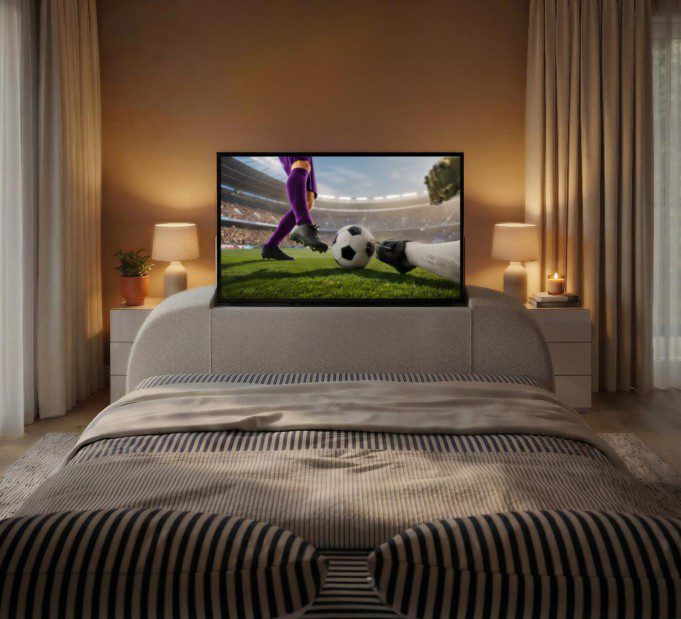
For fans supporting the home nations in this summer’s football World Cup, the international schedule presents a challenge when it comes to sleep. Almost half of the group stage matches take place after midnight for fans in the UK, which could mean many sleepless nights ahead.
We surveyed over 1,000 UK football fans about the impact of the World Cup on the nation’s sleep. With an estimated 120 million hours of lost sleep ahead for home nation fans, 1 in 4 couples told us they’re planning to sleep separately to protect their rest*.
One in four footie fanatics (25%) say overnight matches leave them struggling to stay awake the next day, while almost one in ten (9%) admit they have previously arrived late for work after watching football late into the night.
To help minimise disruption to your sleep schedule, we’ve brought together all the key information and sleep tips you need to stay on top form for the final on Sunday 19th July.
The 37-day tournament kicks off in Mexico on Thursday 11th June. Here’s how the home nations’ schedules are currently set in the group stages – and what it means for your bedtime:
There are many routes that could take England or Scotland to the final, with kick-off times varying from 20:00 to 00:00 BST.

 Insight from Sammy Margo, Dreams’ Sleep Expert
“Late-night World Cup matches can of course be exciting, but they can also disrupt sleep very quickly. Even a few late nights can affect mood, concentration, energy levels and recovery the next day. But the impact goes beyond the fan watching the match because light, noise, screen brightness and late-night celebrations may disturb partners or the rest of the household.”
According to our data, nearly a third (30%) of Brits say they would abandon their normal bedtime routine during the World Cup. If you’re likely to join them, follow these simple steps to protect your sleep during the summer of sport:
There’s a lot to consider when it comes to your sleep, from total sleep duration to the number of sleep cycles your body completes during one night’s shut eye.
During the 2026 World Cup, you’re unlikely to get your full 8 hours on match days. Instead, try optimising your sleep cycles to make sure you still wake feeling rested. Understanding your sleep cycles ensures you wake up during a lighter stage of sleep and, as a result, feel less groggy.
A sleep cycle is the 90-minute period where your body moves from non-rapid eye movement (NREM) to rapid eye movement (REM) sleep. We usually recommend aiming for 5 to 6 full sleep cycles per night.
If, like most Brits, you wake up around 7am (according to our 2026 Sleep Survey), here’s a new schedule based on sleep cycles to keep you on track during the tournament:
Bedtime: 23:30
Total sleep: 7.5 hours
Deep sleep: 1hr 21m
REM sleep: 1hr 41m
Bedtime: 01:00
Total sleep: 6 hours
Deep sleep: 1hr 4m
REM sleep: 1hr 21m
Bedtime: 02:30
Total sleep: 4.5 hours
Deep sleep: 48m
REM sleep: 1hr
When your bedtime is less than ideal, follow our guidance on sleep cycles to protect against that groggy morning feeling.
If you’ve got a different wake time or want to calculate another schedule, use our handy Sleep Cycle Calculator.
For those of us sharing beds and living rooms with footie-mad fans, it’s important to consider how you can still rest well during the World Cup. To help fans and households navigate late-night kick-offs, our sleep expert Sammy Margo shares her 5 top sleep-saving tips for the tournament:
1. Have the sleep conversation before kick-off
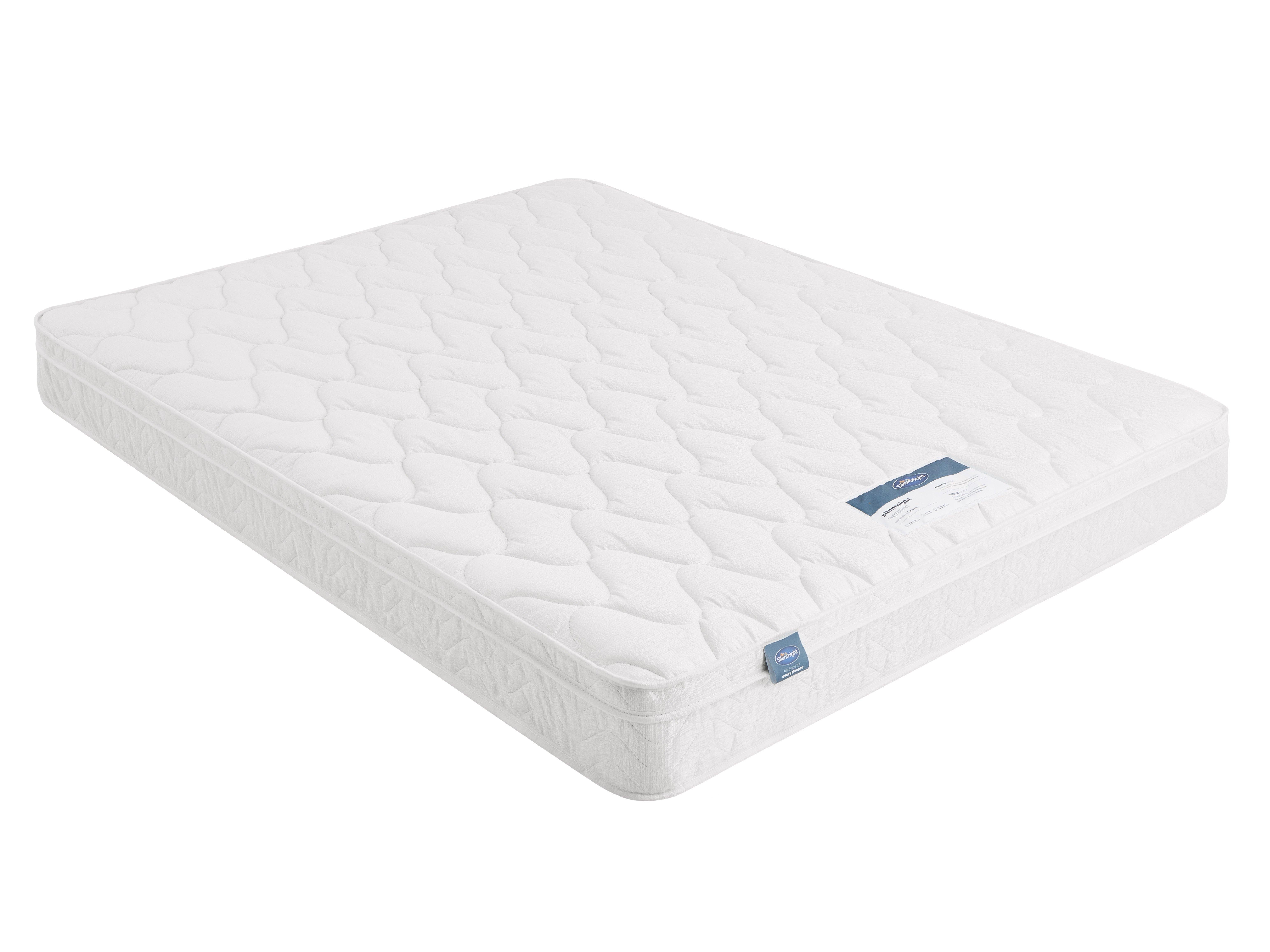
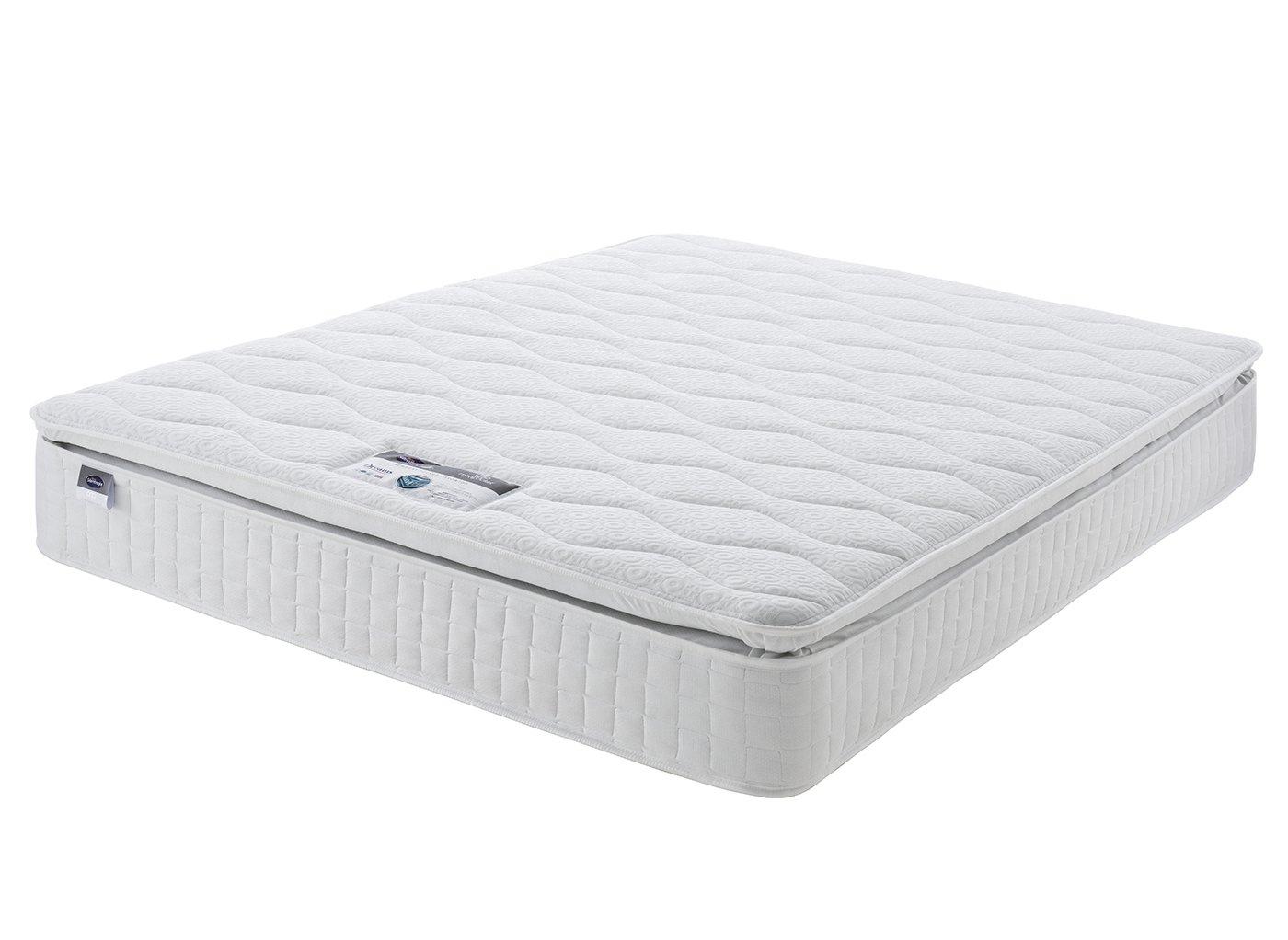
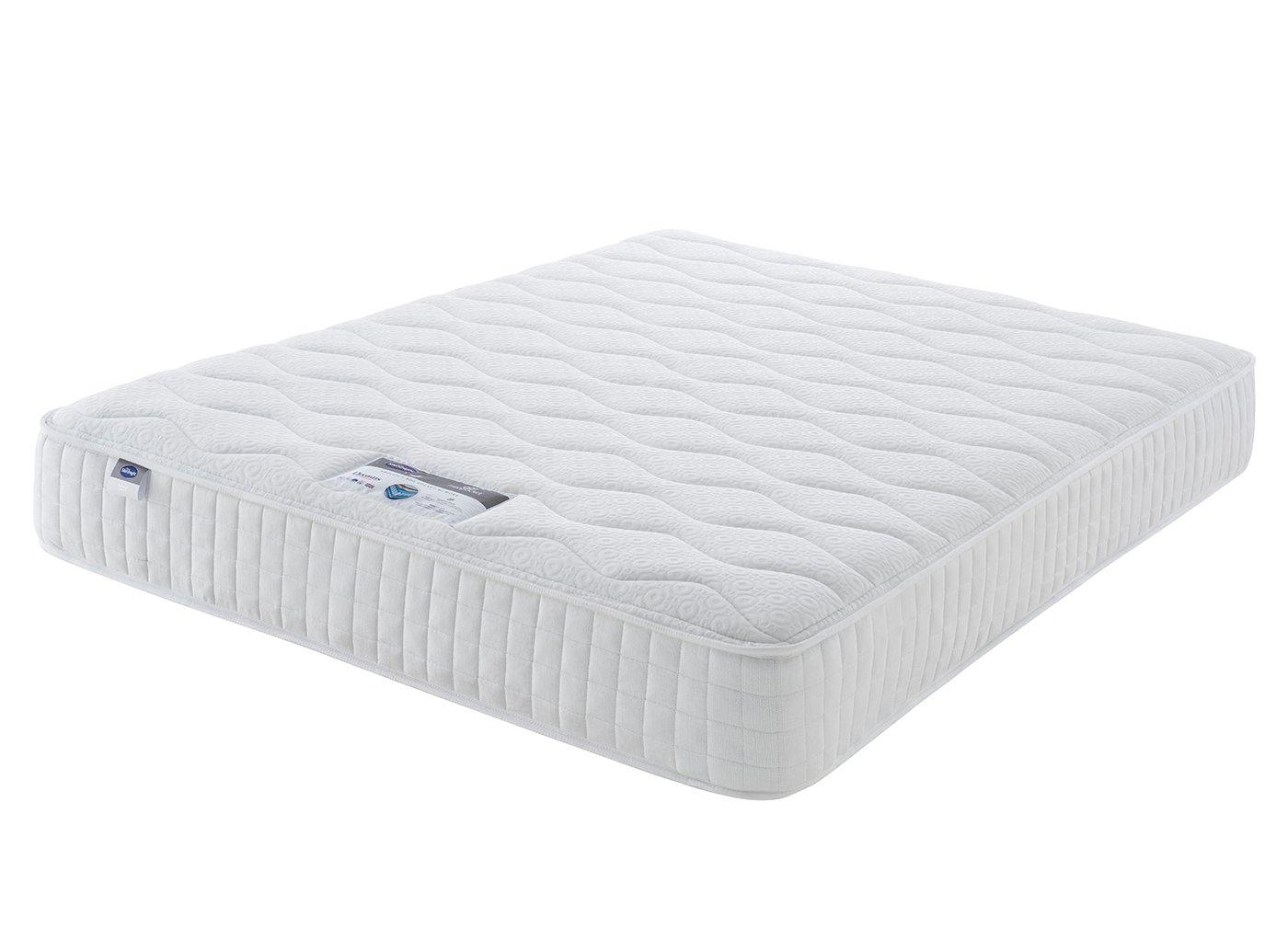
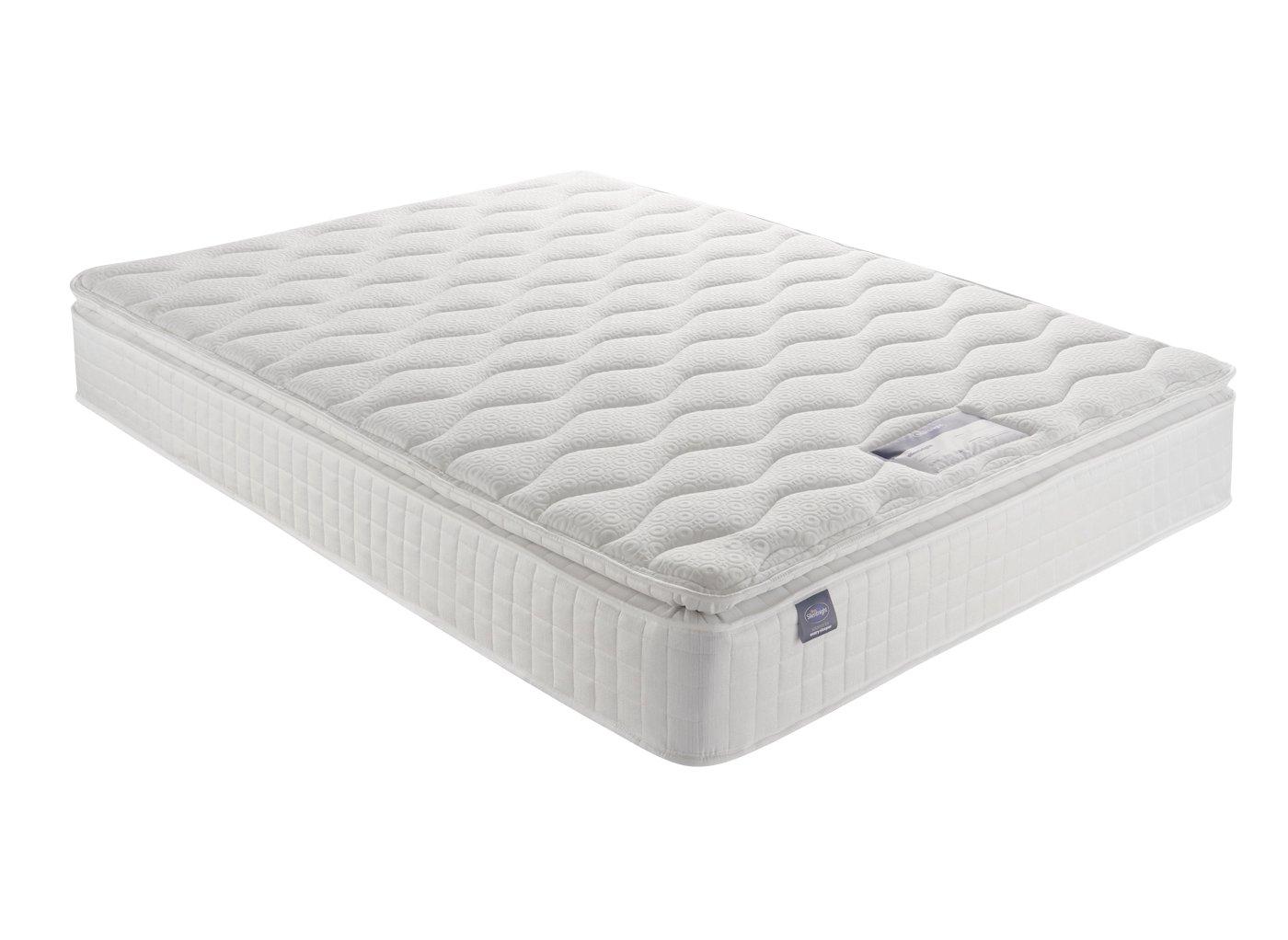
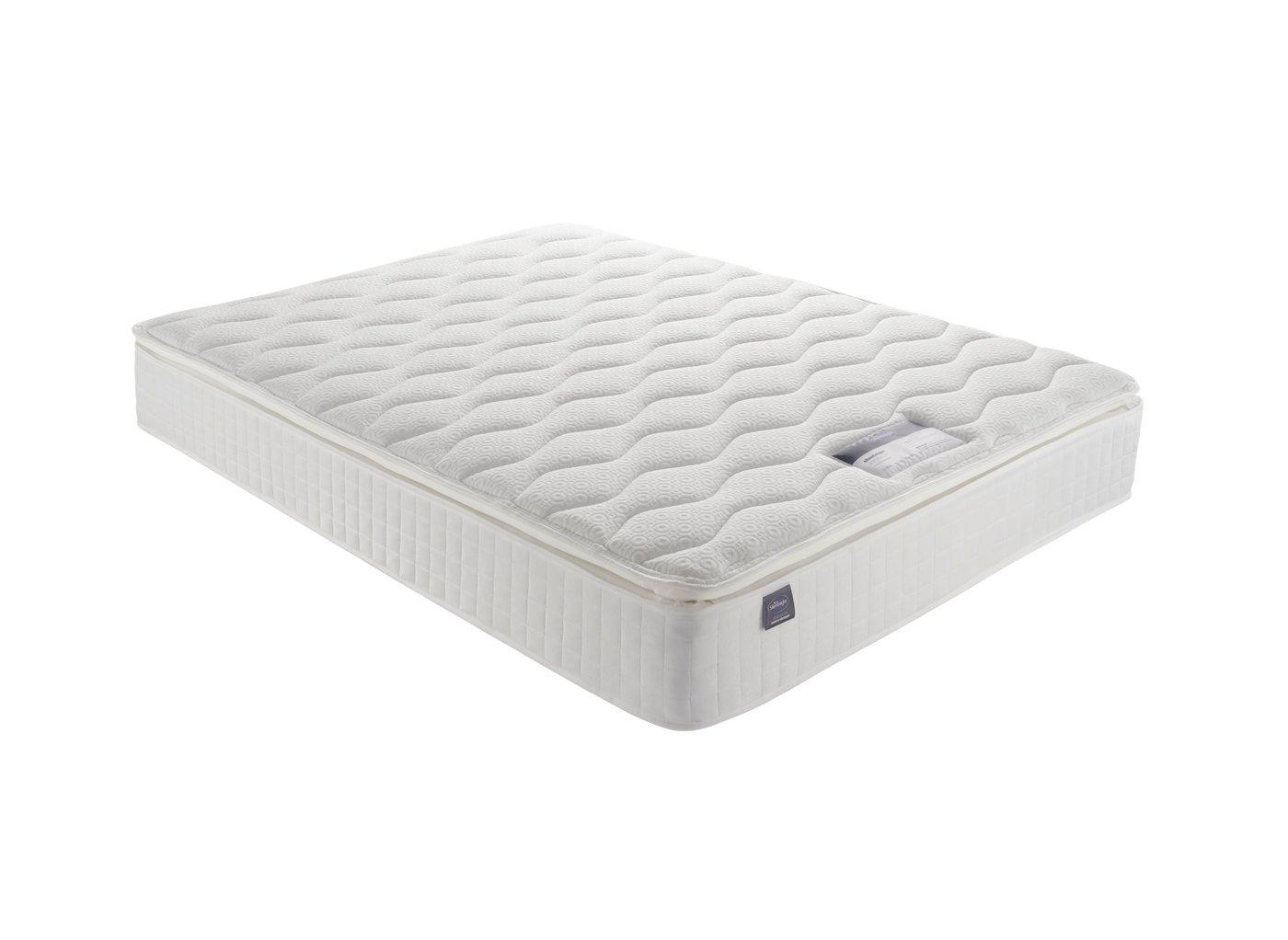
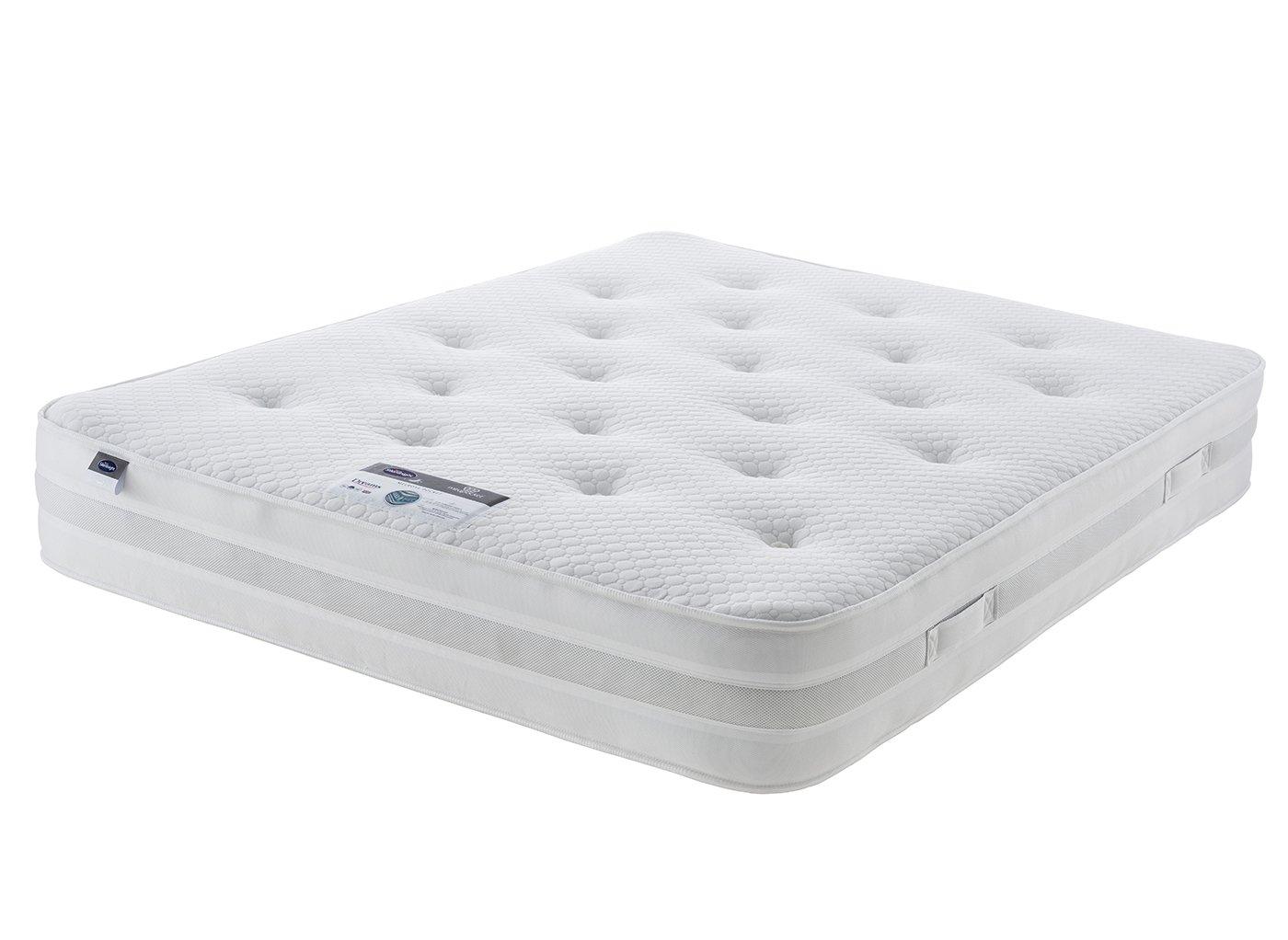
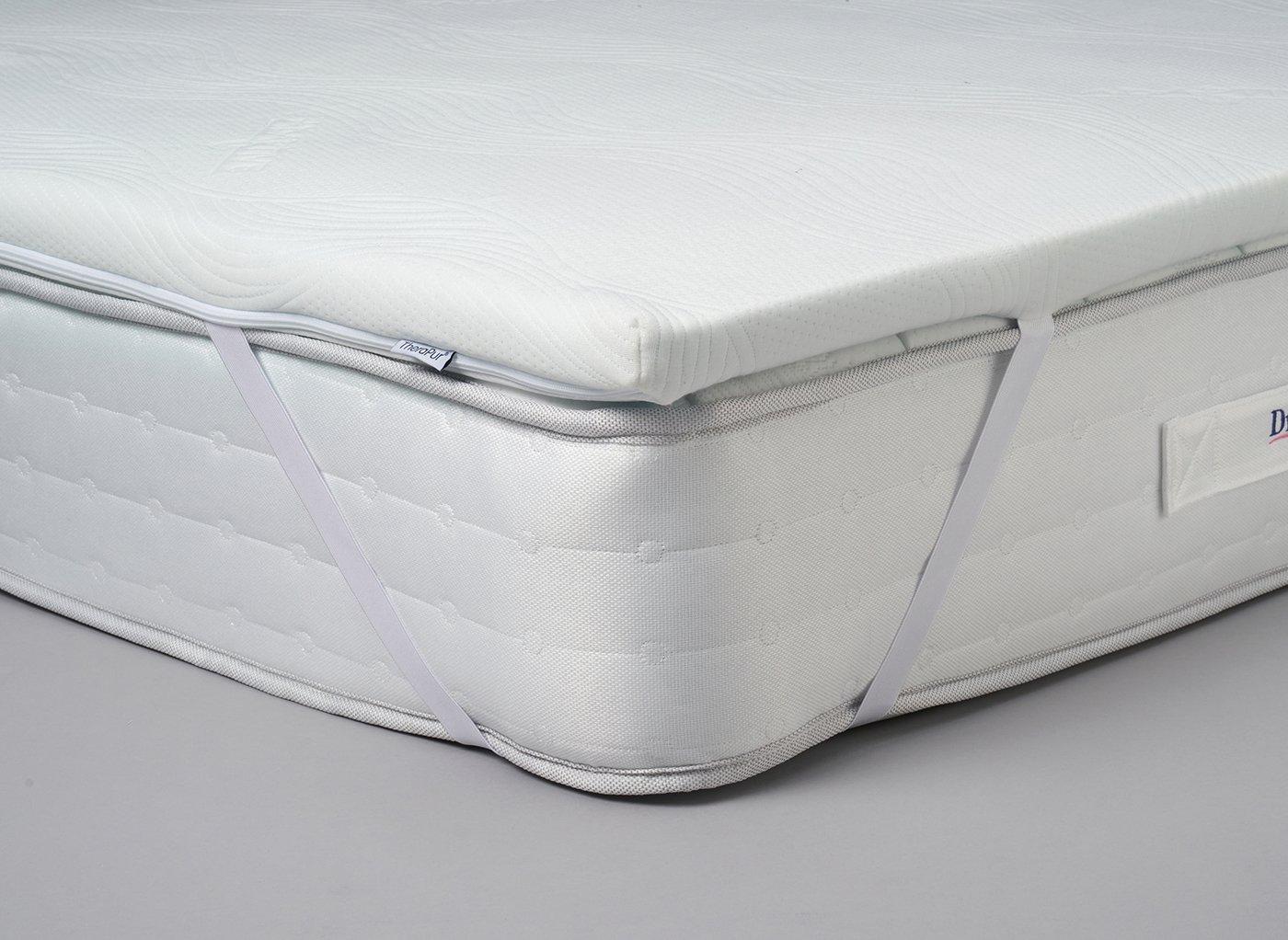
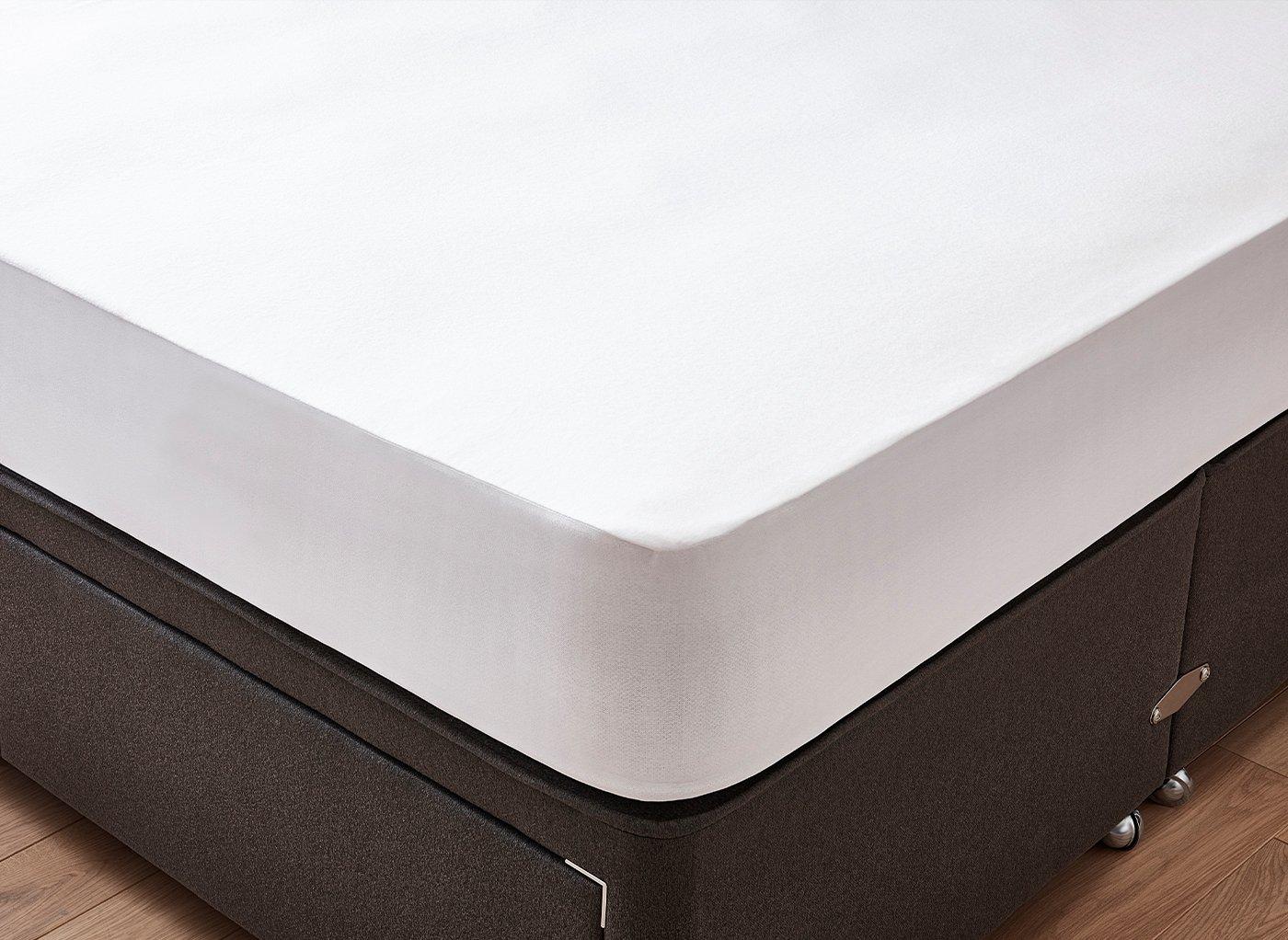
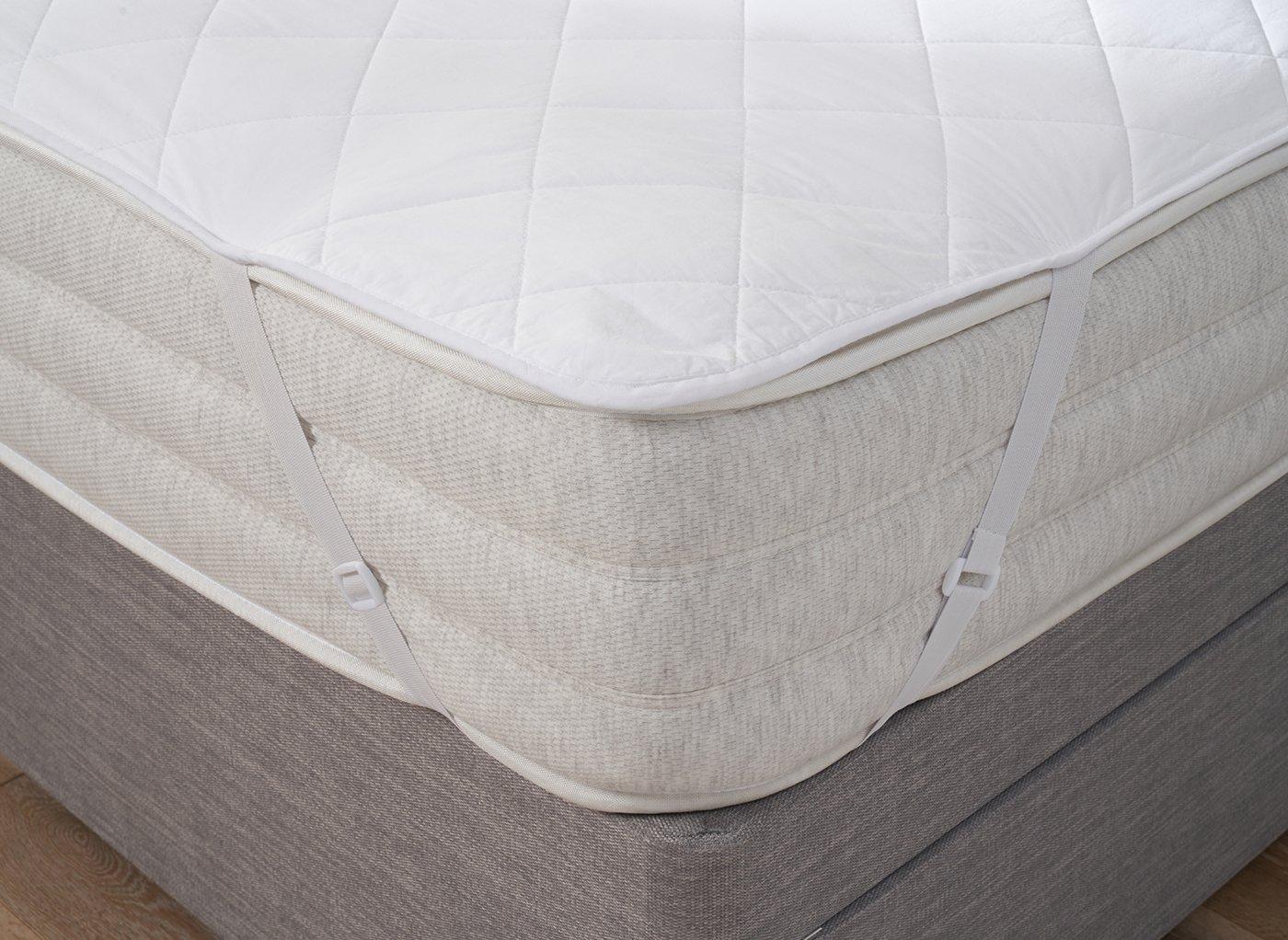
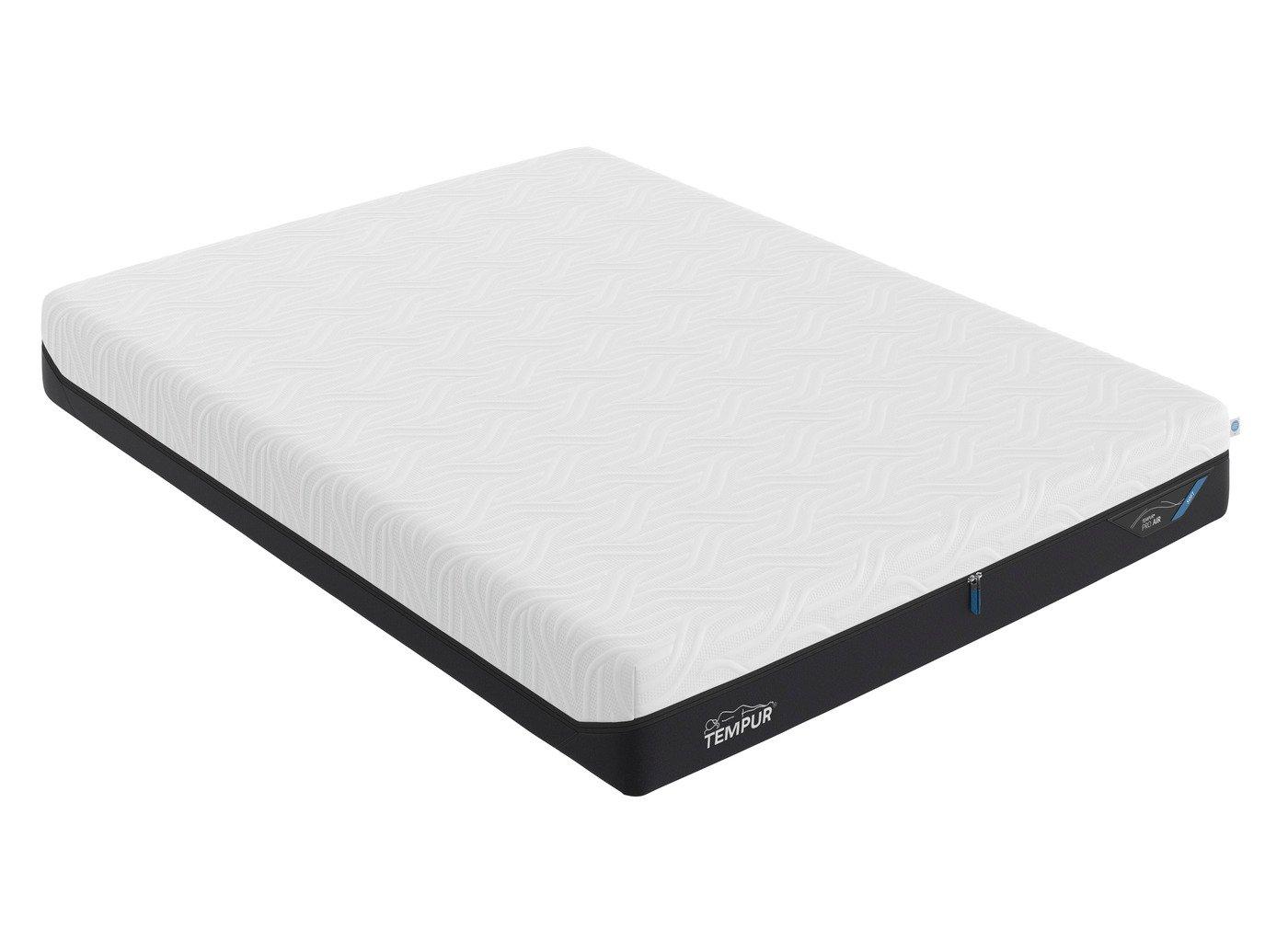
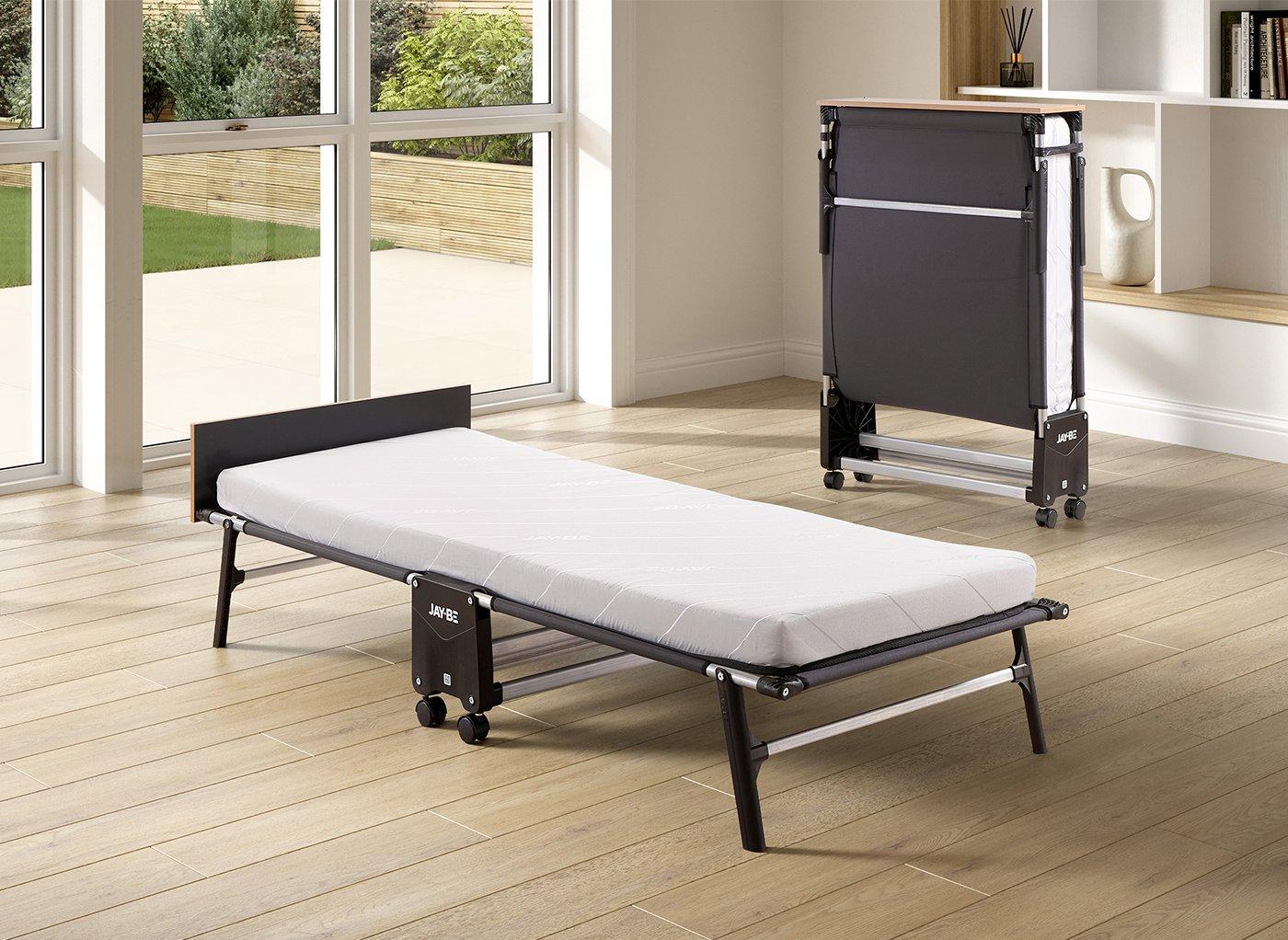
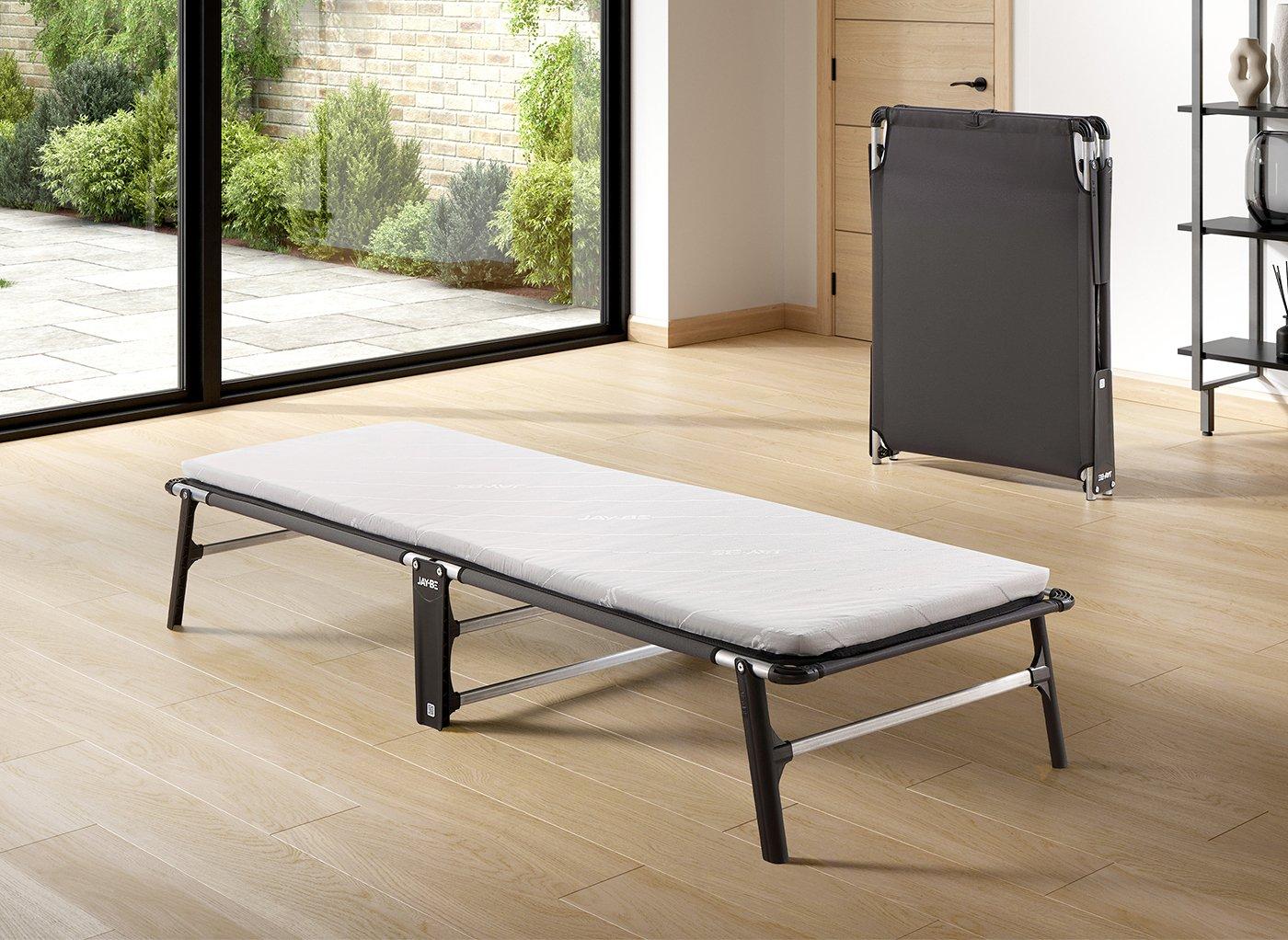
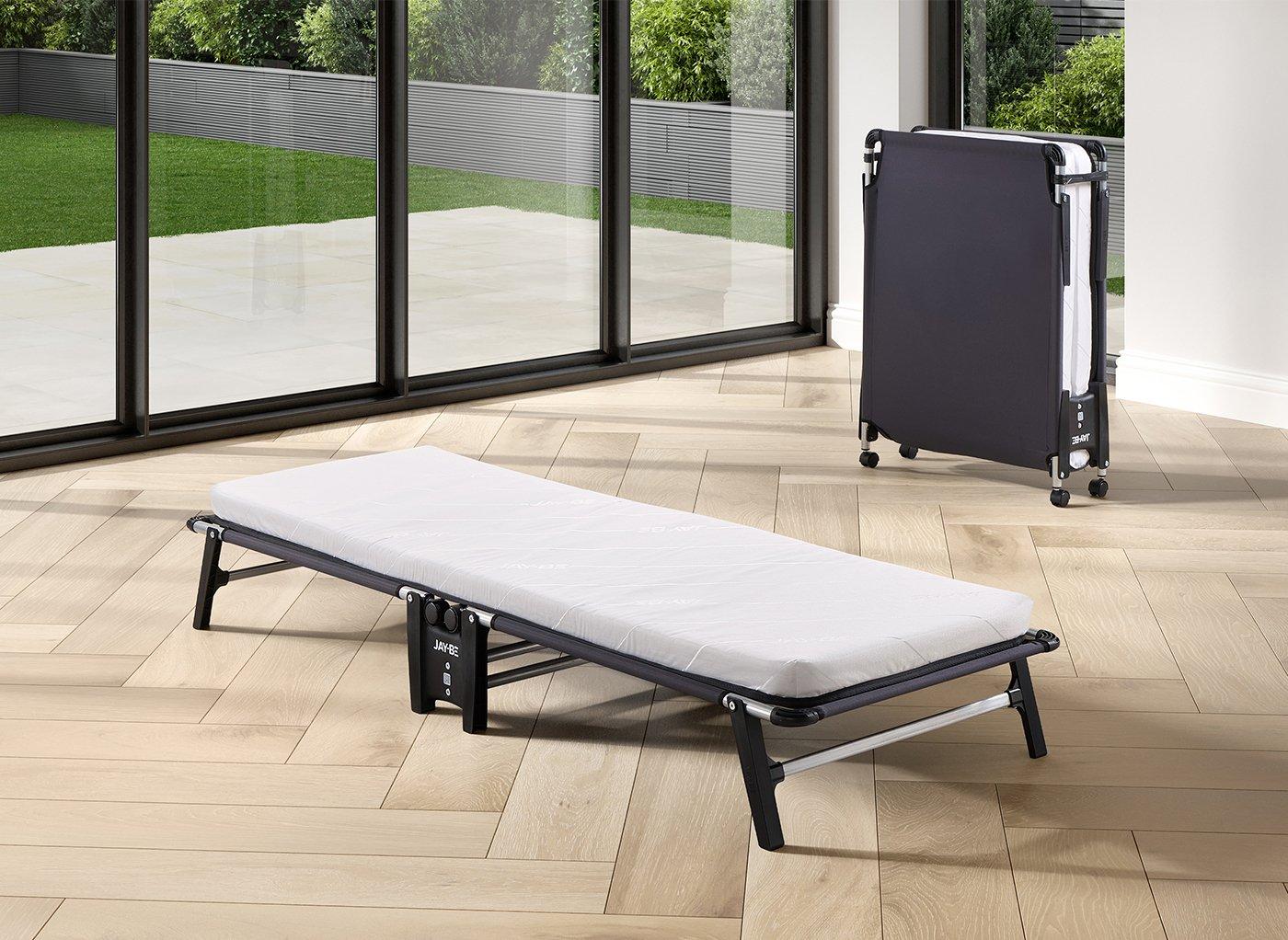
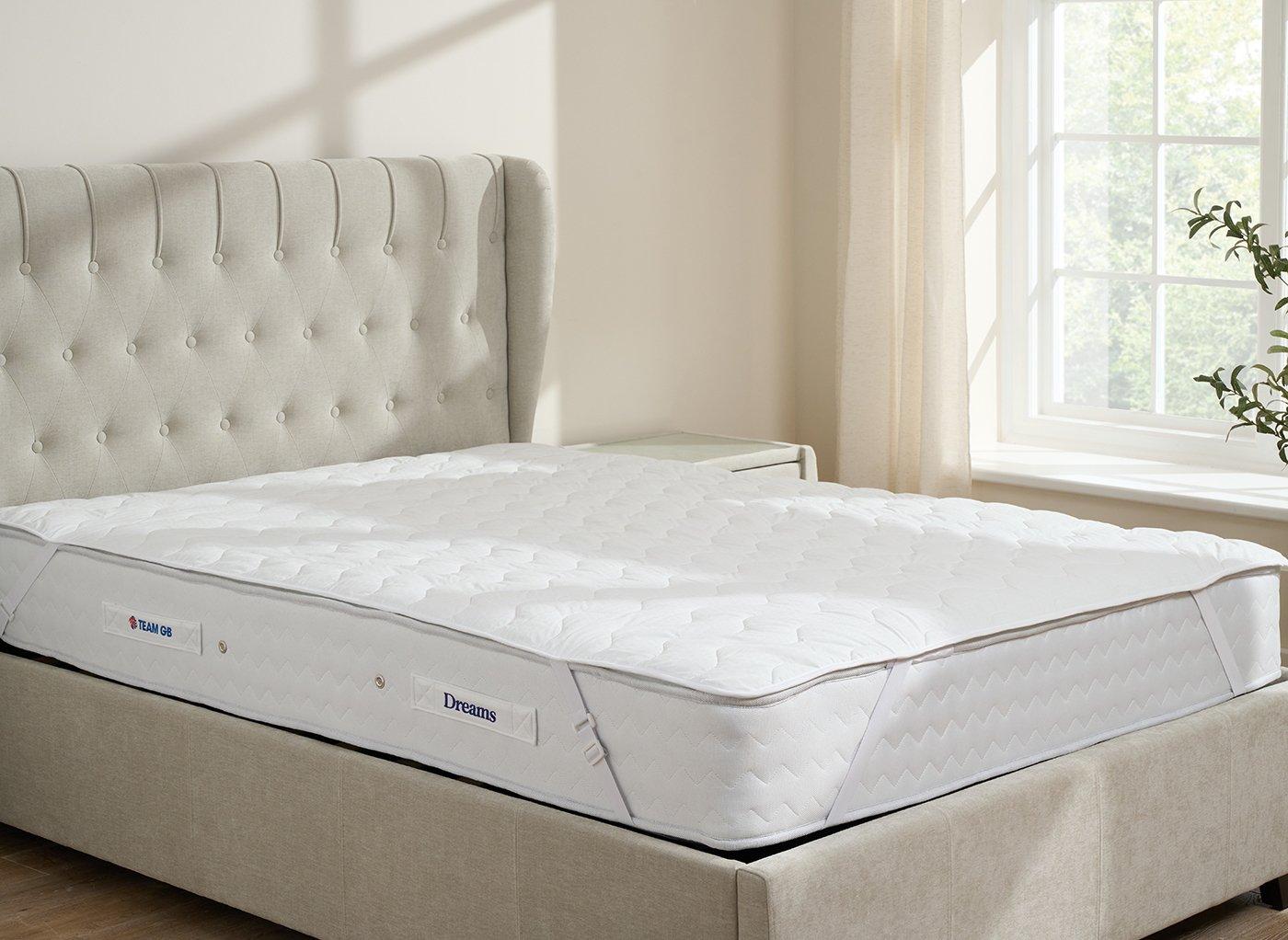
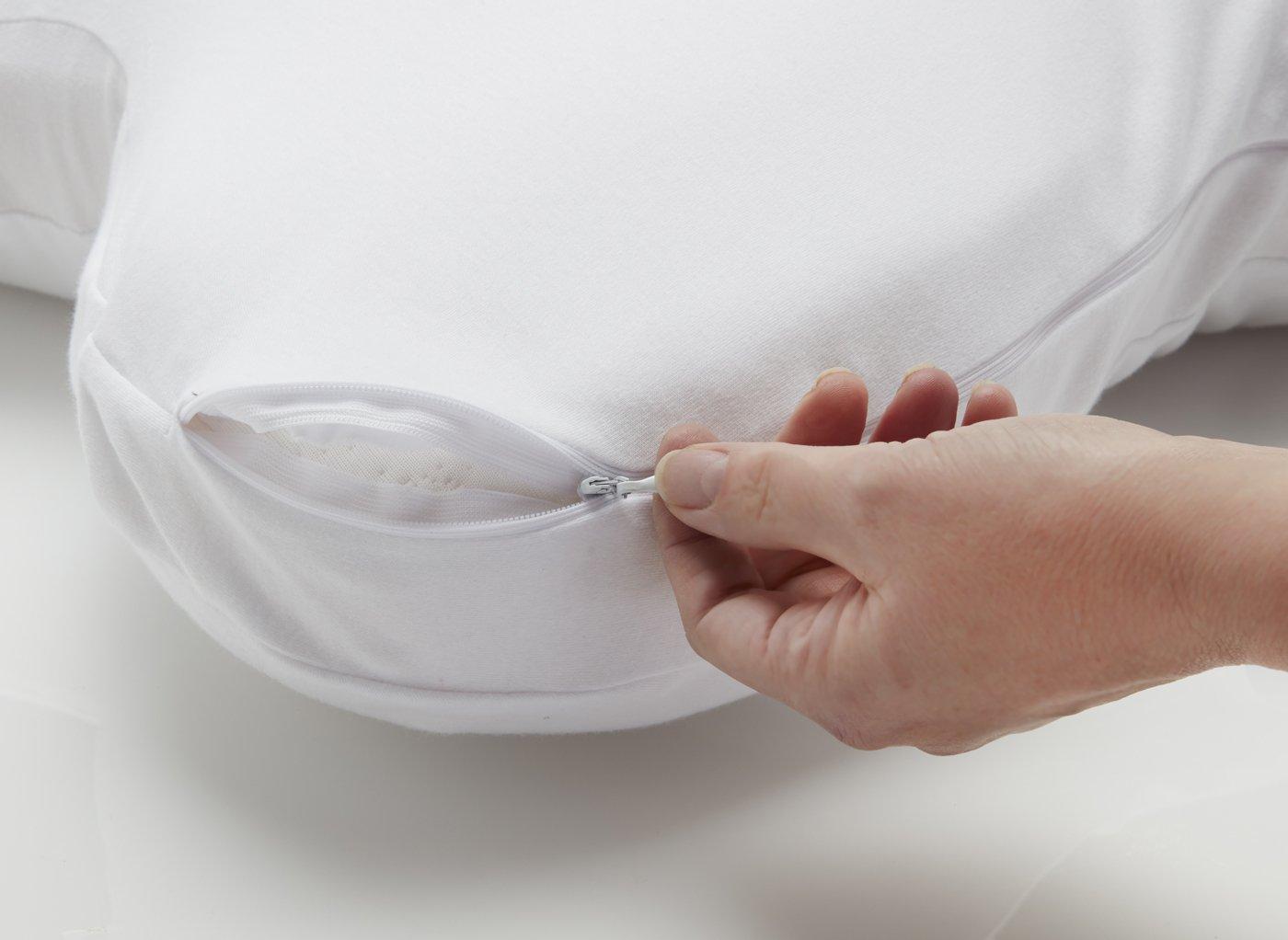
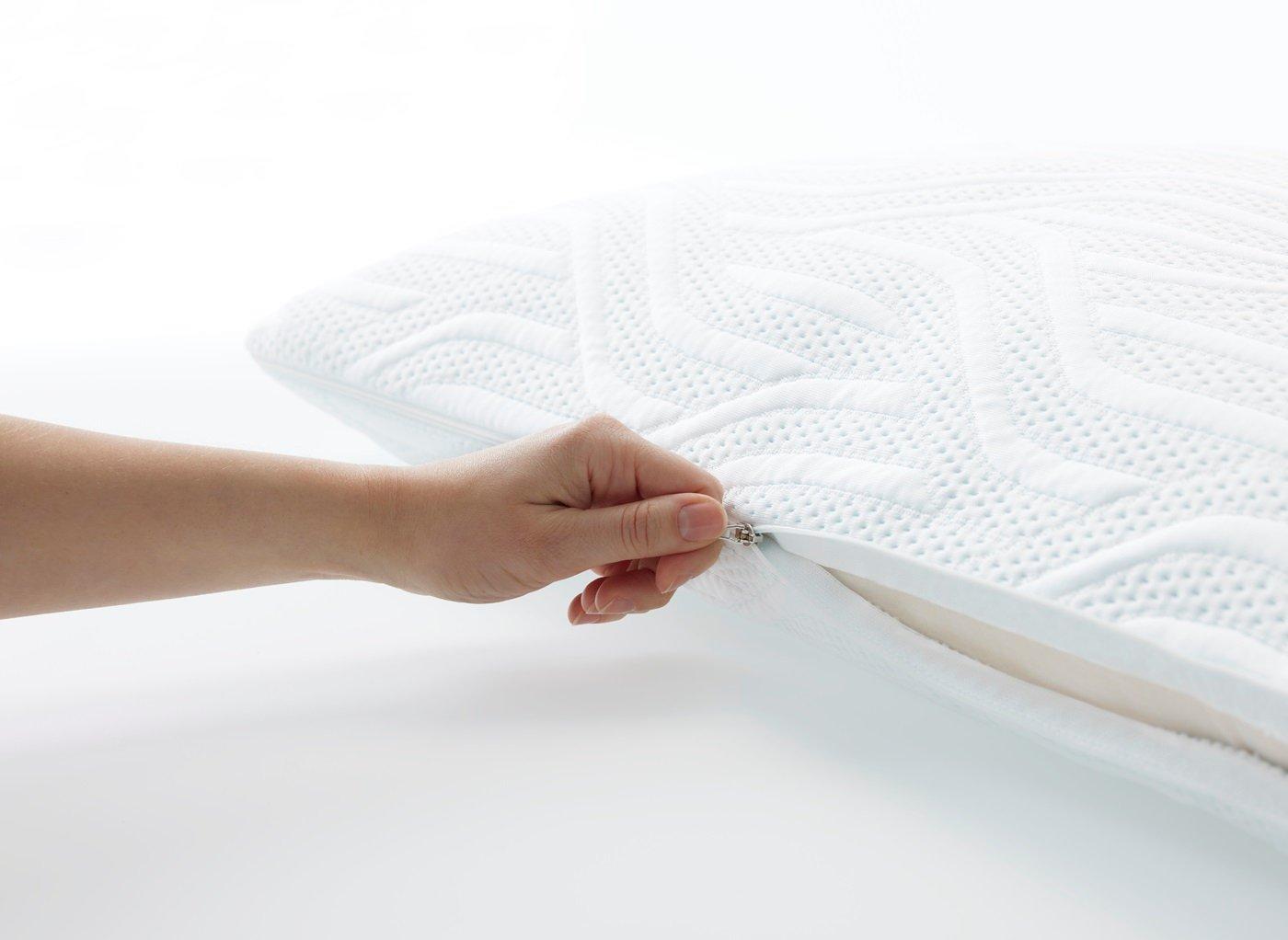
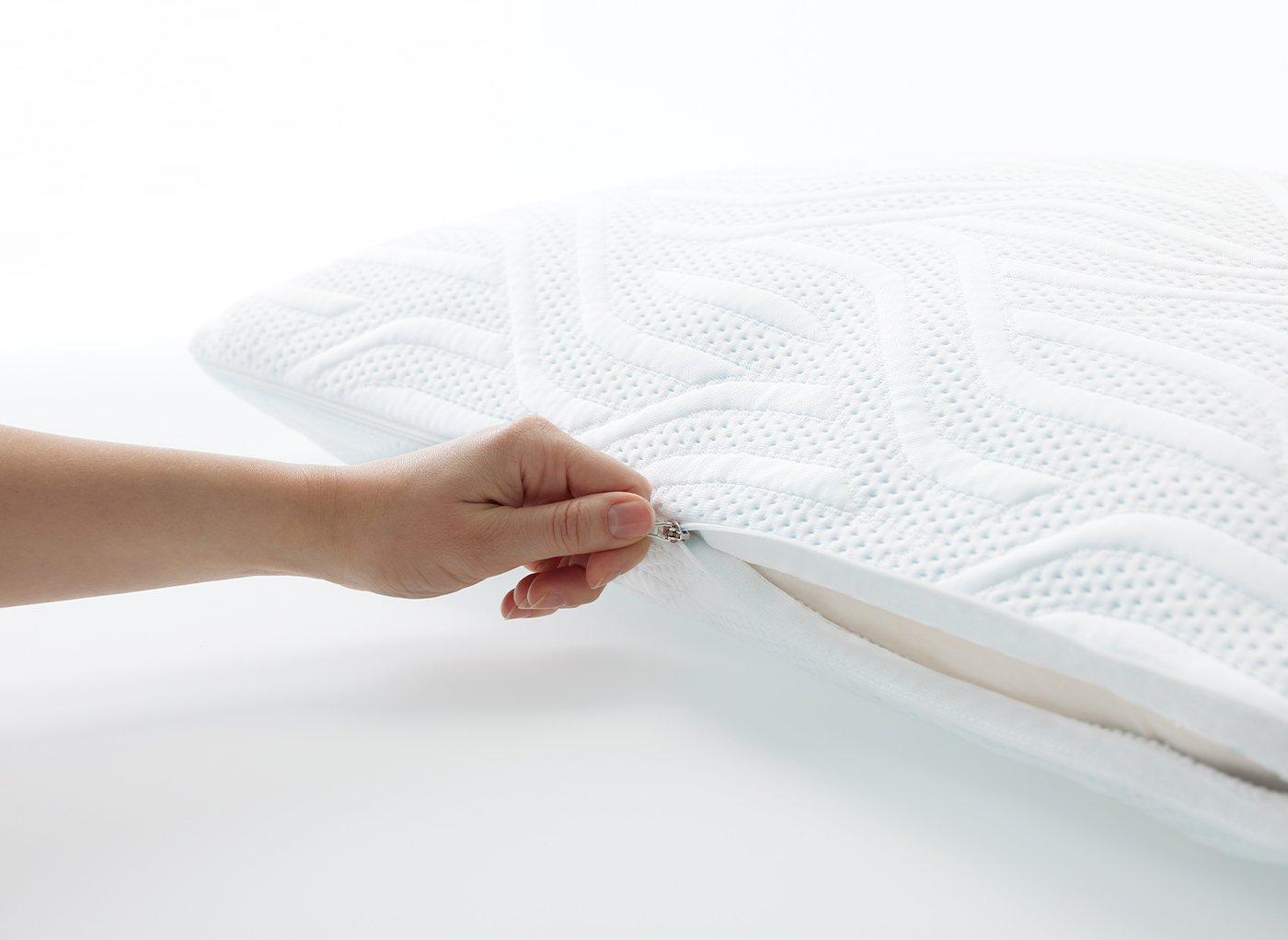
“Before the match starts, agree the game plan. Include who’s watching, where they’re watching, and whether it’s a bed, sofa or spare room night. Sorting this before kick-off can help avoid any full-time tension, especially if one person needs uninterrupted sleep. And if someone is taking one for the team on the sofa or in the spare room, a mattress topper, like the Dream Team Ultimate Washable Mattress Topper, can help make the set-up feel much more comfortable.”
2. Create a low-light match plan
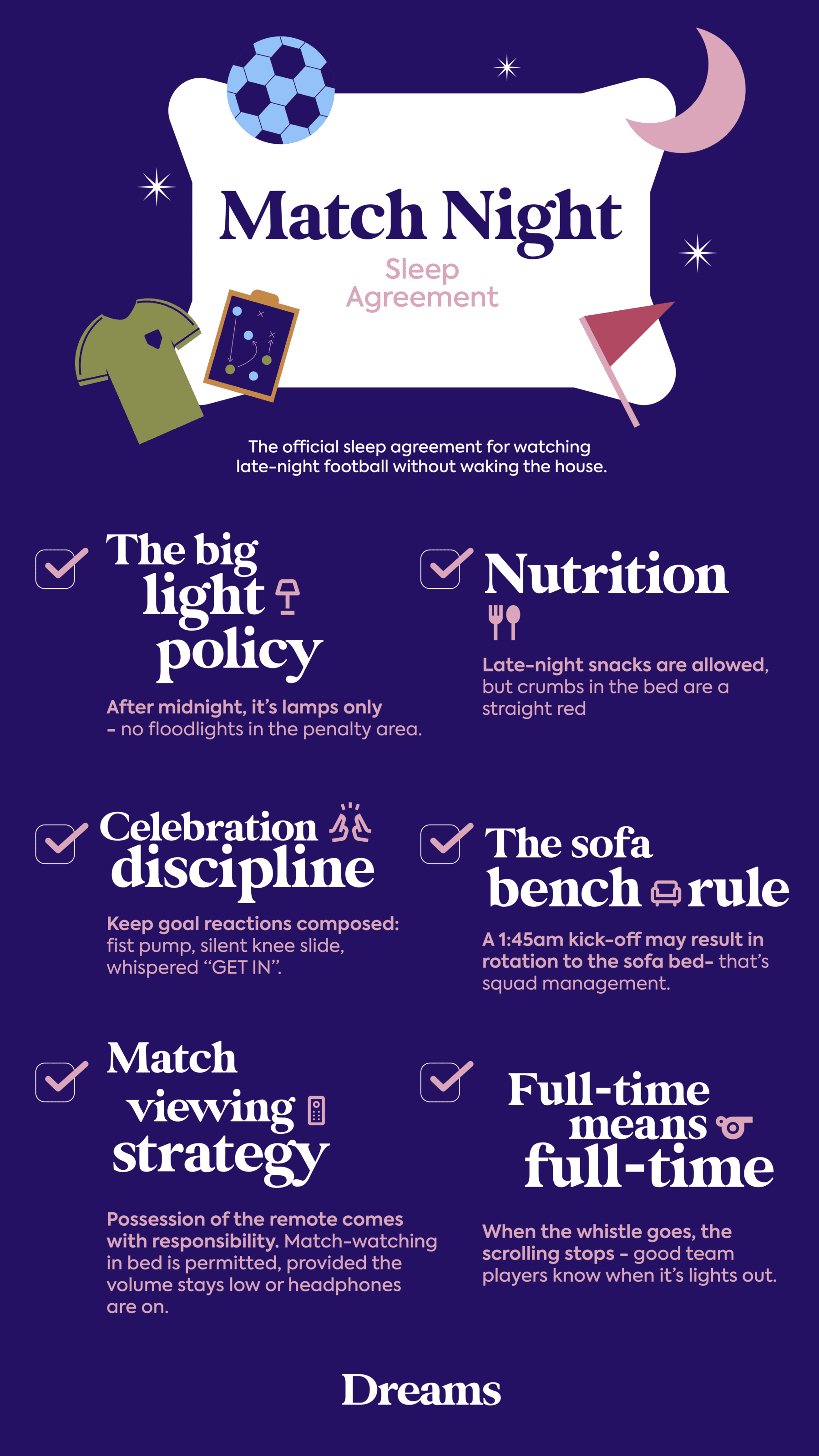
“Bright overhead lighting late at night can make it harder for the brain to wind down and can disturb anyone already asleep. Stick to lamps, dimmed screens or softer lighting where possible and avoid switching on the ‘big light’.”
3. Keep noise under control
“Late-night commentary, sudden celebrations and loud reactions can easily wake the rest of the household. Headphones, subtitles and lower volume are simple ways to enjoy late-night matches without turning the bedroom into a stadium.”
4. Make the viewing set up sleep-friendly
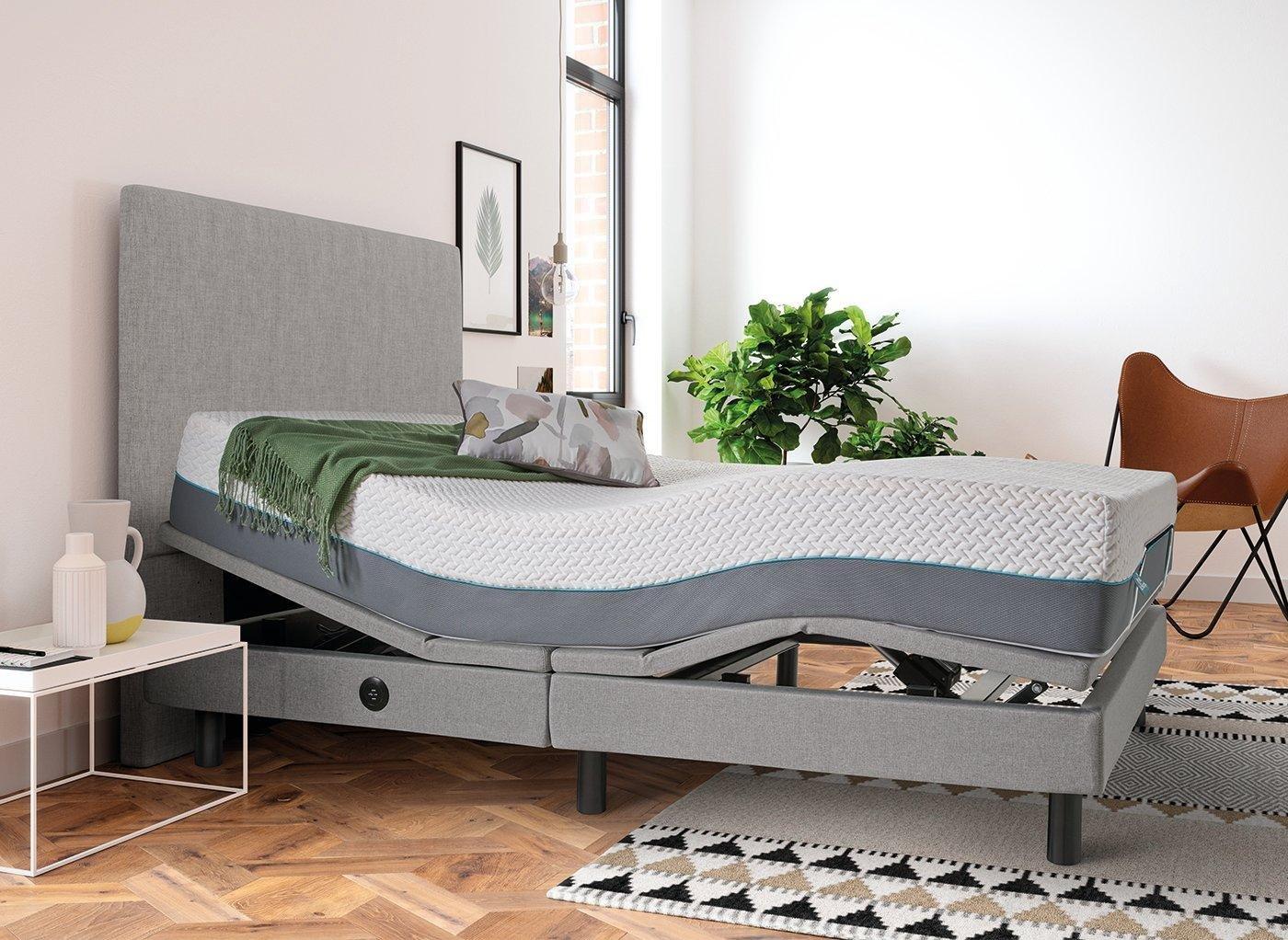
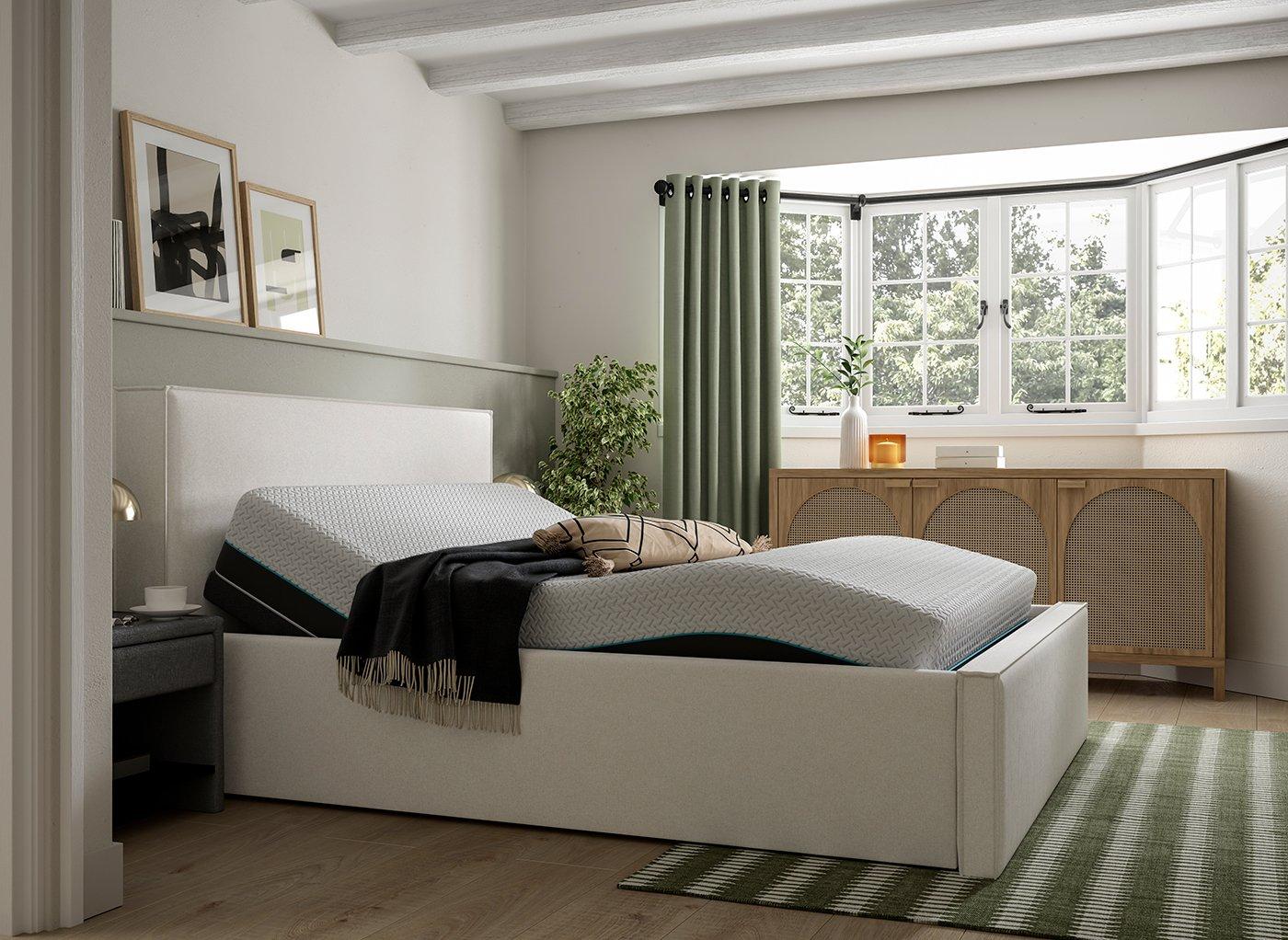
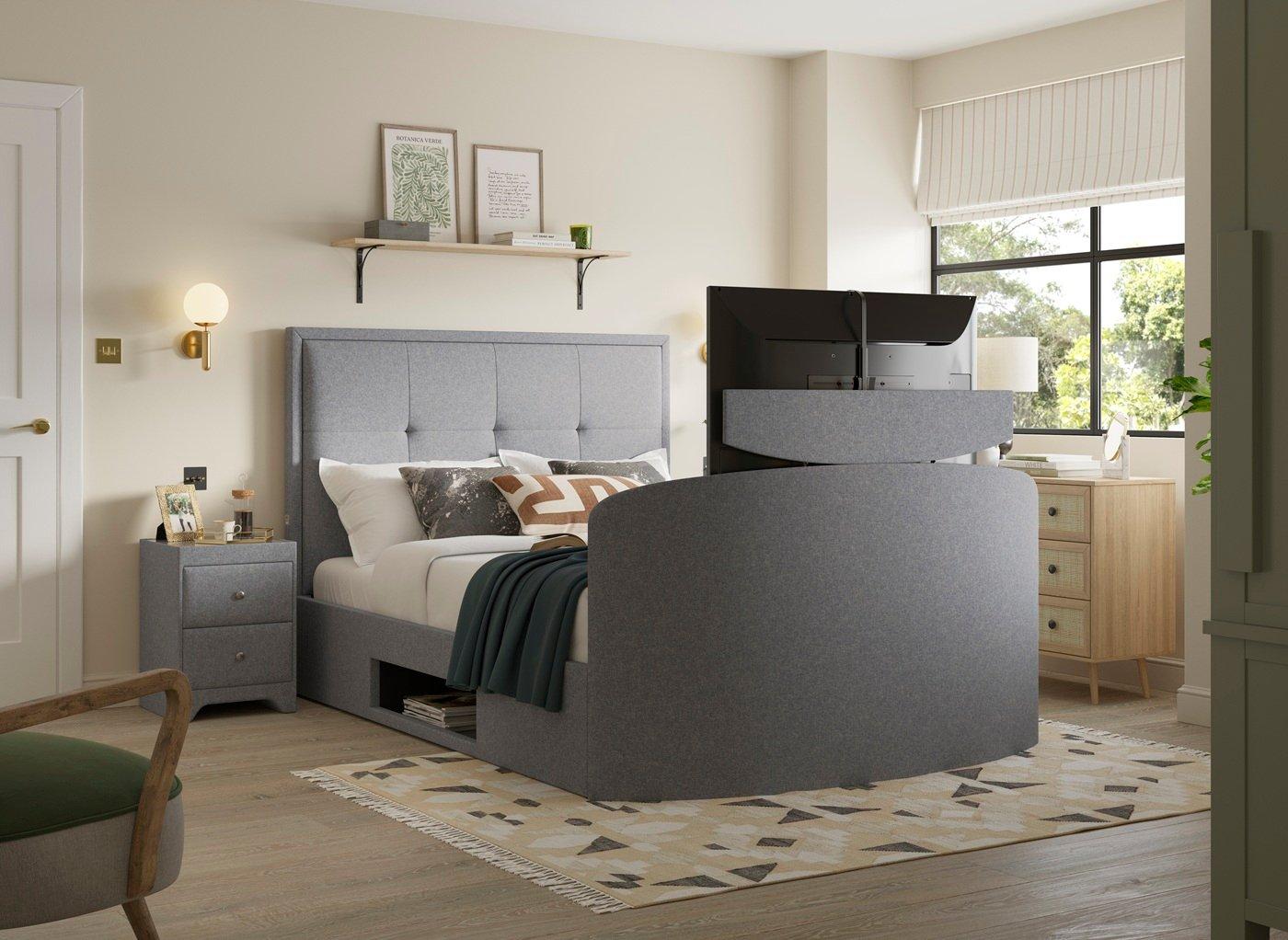
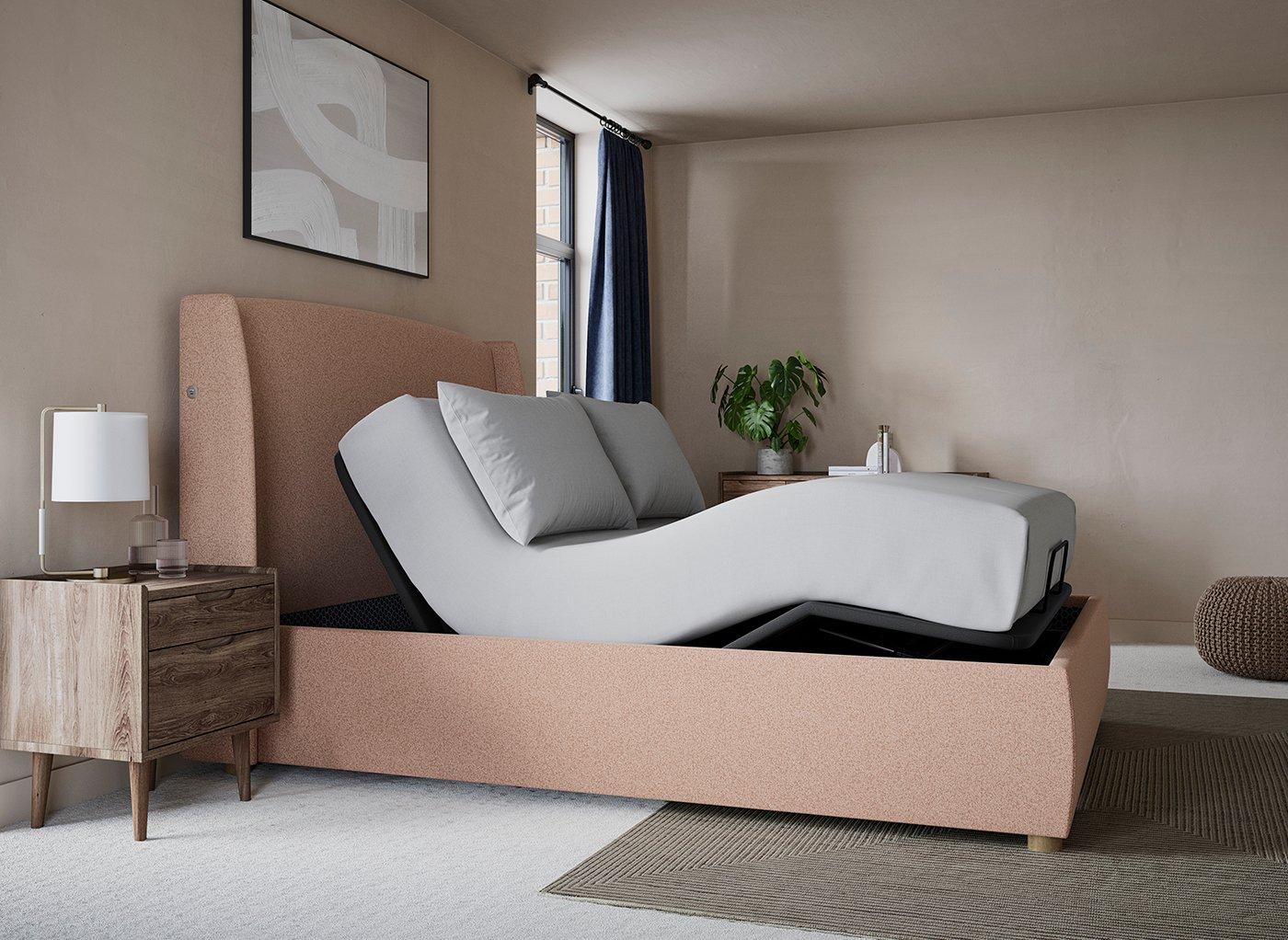
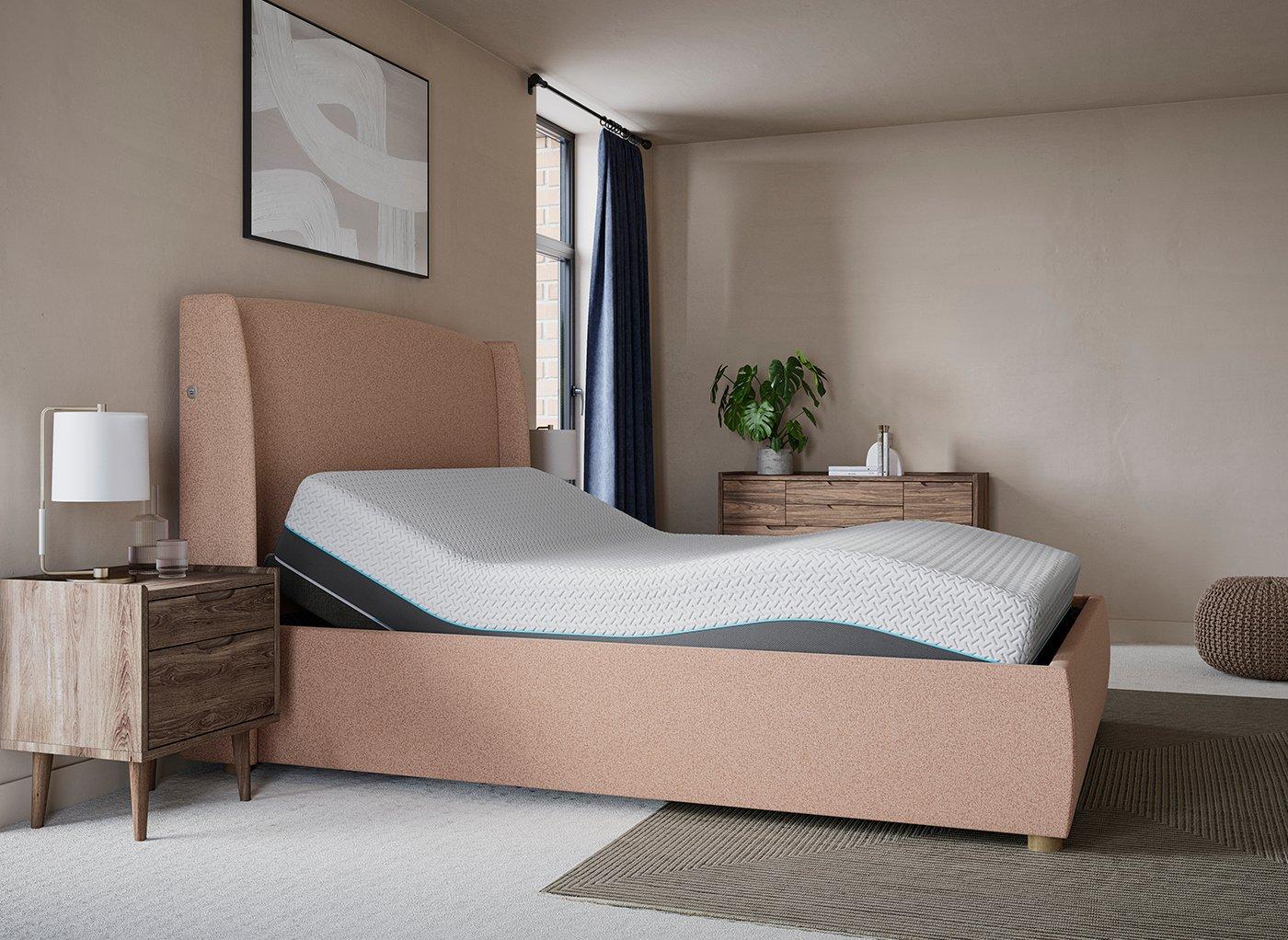
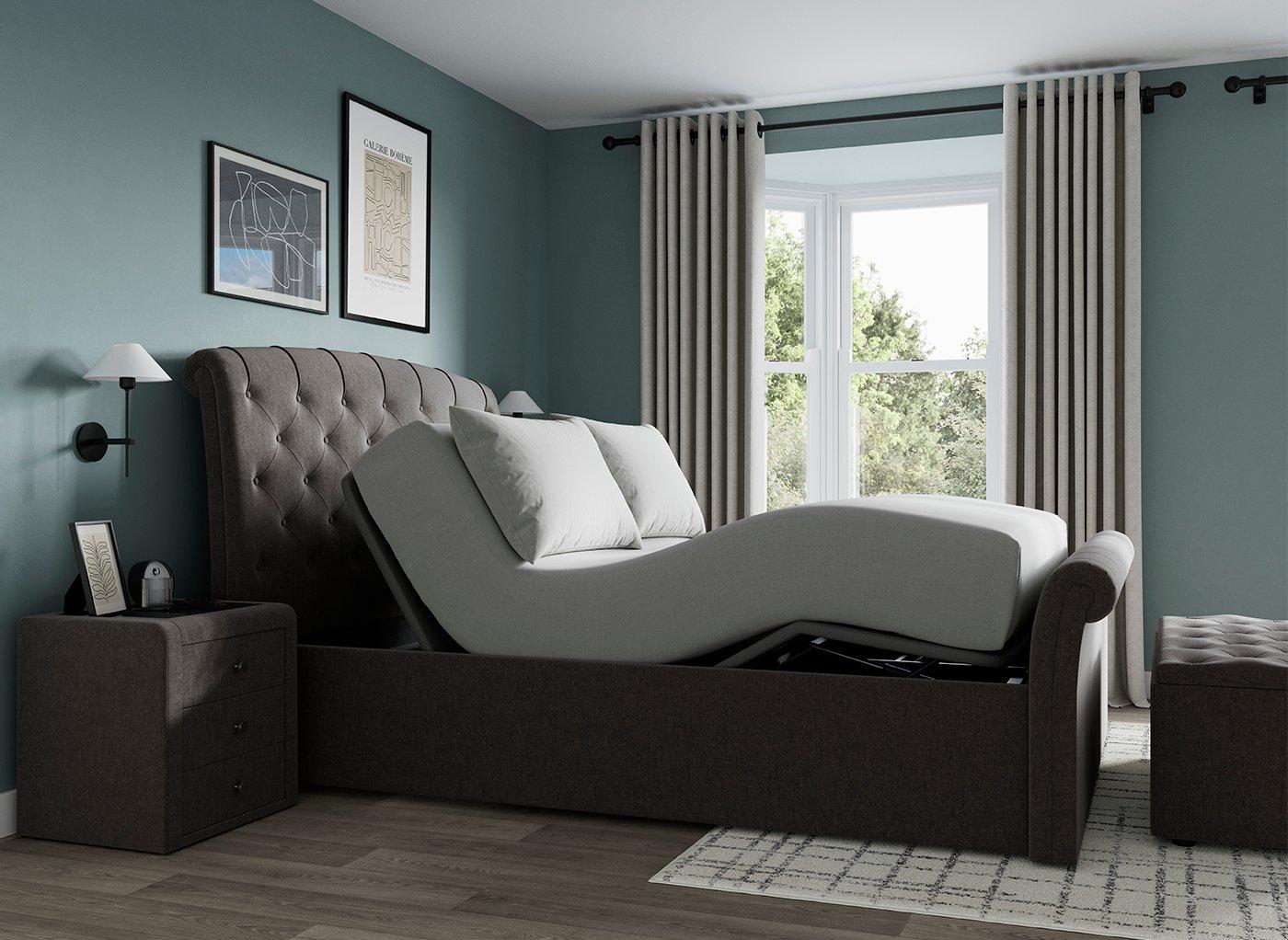
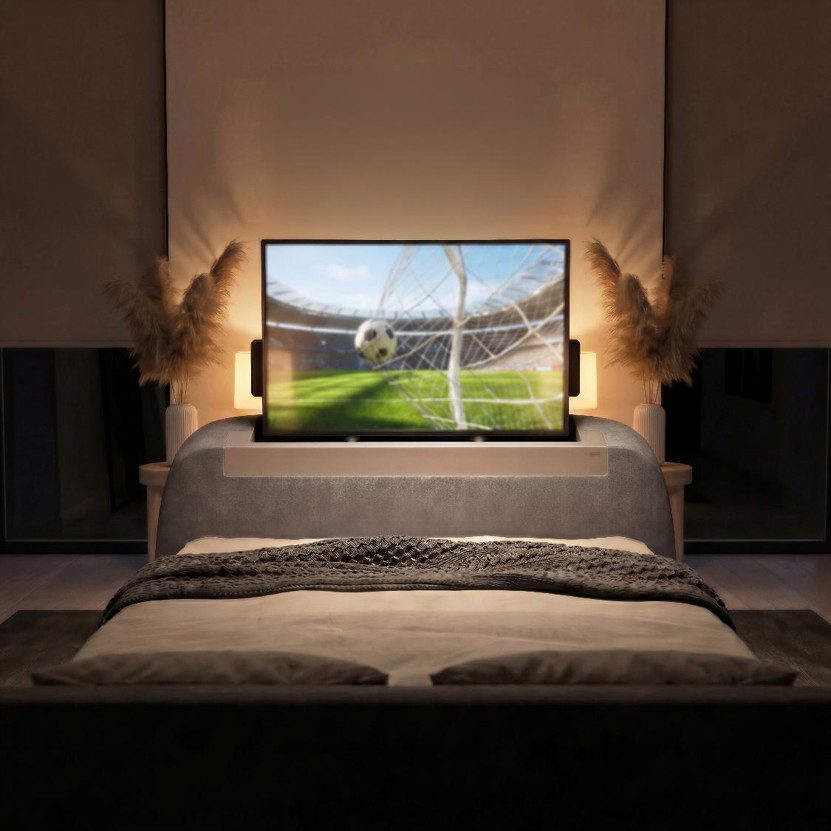
“Whether watching from bed, the sofa or a spare room, comfort matters. A supportive set up can make late-night viewing easier, but it should also help you wind down once the match is over. An adjustable TV bed such as the Yokohama Ergomotion from Dreams, is great for fans watching from the bedroom, while a sofa bed or mattress topper can make a temporary sleep set-up more comfortable if separate sleeping arrangements are needed.”
5. Protect the post-match wind-down
“Once the final whistle goes, try to avoid rolling straight into highlights or social media debates. Giving your brain time to switch off after the match can help you fall asleep more easily.”
*The research was conducted by Censuswide for Dreams, among a sample of 1,032 UK Football fans. The data was collected between 22.05.2026 – 26.05.2026.