Why You Drool in Your Sleep and How to Stop
7 Min Read |
Last Modified 2 October 2026 First Added 10 January 2017

You wake up, roll over and find it. The cold, damp patch on the pillow that’s definitely yours. (Your secret’s safe with us.)
Dribbling in your sleep is one of those things most people do now and then, and very few people talk about. It’s rarely a sign of anything serious, though there are times when it’s worth a closer look.
The lowdown: You dribble in your sleep because you swallow less often when you’re asleep, so saliva can escape if your mouth falls open. A blocked nose, your sleeping position, acid reflux and some medicines can all make it more likely. Occasional drooling is normal, but speak to a GP if it’s new and unexplained or comes with swallowing problems.
Dribbling in your sleep happens because your body handles saliva differently at night. During the day, you swallow it without thinking. When you’re asleep, both saliva production and swallowing slow, and swallowing slows even further as sleep deepens. If your mouth drops open, whatever saliva builds up has an easy way out.
Drooling generally comes down to one of three things. Saliva isn’t staying in your mouth, you’re having trouble swallowing it, or your body is making more than usual.

Front and side sleepers, this one’s for you. If you sleep on your side or front, any saliva that collects in your mouth has a short route onto the pillow. On your back, gravity works in your favour, and saliva is more likely to stay put. If you’re curious about your own habits, here’s what your sleeping position says about you.
Mouth breathing and drooling go hand in hand. A mouth that’s constantly open makes it harder to keep saliva in. Breathing with your mouth open also changes the shape of your upper airway, and research has found that it narrows parts of the throat, which may worsen sleep apnoea in people who have it.
When your nose is blocked, your mouth takes over the breathing. Nasal obstruction is a recognised cause of drooling, and allergies and sinus infections can also make your body produce more saliva. If a cold is the cause, our guide on how to sleep with a cold can help, and here’s how to get a better night with hay fever.
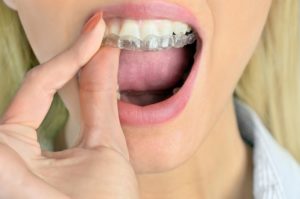
Obstructive sleep apnoea is a condition where your airway repeatedly collapses during sleep, partly or completely blocking your breathing for a few moments at a time. Breathing through an open mouth is linked to more severe sleep apnoea. Some people treated with a mouthpiece (oral appliance) also notice increased saliva, as excessive salivation is a known side effect, especially early on. Find out more in our guide to sleep apnoea symptoms and causes.
Acid reflux is when stomach acid moves up towards your throat. Heartburn and reflux are among the conditions that can cause too much saliva, and excess saliva can be a sign of conditions affecting the food pipe (oesophagus). Reflux is harder for the body to clear when you’re lying down, which is why it often feels worse at night. To keep things calm at bedtime, try these late-night snacks that won’t give you indigestion.
Infections such as tonsillitis, strep throat and sinus infections can increase how much saliva you make.
Teeth grinding and drooling often turn up together in children. A review of 14 studies found that children who drooled in their sleep were more likely to grind their teeth, as were children who snored, breathed through their mouths or slept on their stomachs. That’s a link rather than proof that one causes the other. Here’s how to stop grinding your teeth at night.
Some medicines can make your body produce more saliva as a side effect. If you think a medication is causing your drooling, don’t stop taking it without medical advice. Your GP or pharmacist can talk you through the options.
Pregnancy can bring extra saliva, which may be linked to pregnancy nausea or reflux. If pregnancy is affecting your sleep, try these sleep tips for pregnancy insomnia.
Some drooling is normal in babies and toddlers, and it can increase with teething. Colds and allergies can make it worse.
Conditions that affect the nerves and muscles, such as Parkinson’s, stroke and multiple sclerosis, can make it harder to swallow, which can lead to drooling. Nighttime drooling is common in Parkinson’s. In one study of 104 people with Parkinson’s, 58% drooled at night. If drooling is accompanied by other new symptoms, speak to your GP.
The best way to stop drooling in your sleep depends on what’s causing it. For everyday dribbling, these changes are a good place to start:
1. Clear your nose before bed
If a blocked nose is pushing you into mouth breathing, tackling it is the obvious first step. For short-term congestion due to a cold, a pharmacist can recommend a suitable option. For allergies or sinus problems that won’t shift, see your GP. Our hypoallergenic bedding is also designed with allergy sufferers in mind.
2. Try sleeping on your back
Switching to your back may help keep saliva in your mouth. It isn’t right for everyone, though. About half of people with obstructive sleep apnoea have more breathing problems when they lie on their back, so if you snore heavily or think you might have sleep apnoea, speak to your GP before making the switch. If you snore, read our tips on how to prevent snoring naturally before you change position. A supportive pillow helps whichever way you sleep, and our pillow buying guide explains which type suits each position.
3. Raise the head of your bed if you have reflux
If reflux is behind your drooling, raising the head end of your bed can help. NHS advice is to raise it by 10 to 20 cm, for example, by putting books or blocks under the legs at the head end. An adjustable bed lets you raise your head at the touch of a button.
4. Cut back on sugary food
Sugary foods may increase the amount of saliva you produce, so it’s worth going easy on them.
5. Be cautious with mouth taping
Taping your mouth shut at night has become a popular way to try to stop mouth breathing, but it isn’t right for everyone. We’ve looked at what the research says and who should avoid it in our guide to mouth taping for sleep.
6. Protect your pillow
While you’re working out the cause, a pillow protector is an easy way to keep the pillow itself fresh. It’s much quicker to wash a protector than a pillow.

A bit of dribble now and then is nothing to worry about. It’s worth speaking to a GP if any of these apply:
If you wear a mouthpiece for snoring or sleep apnoea and it’s making you drool, speak to the dentist or clinic that fitted it.
Time for a pillow refresh? Browse our pillows and find one that suits the way you sleep.