
Is The German Sleep Method The Secret to Better Couples’ Sleep?
6 Min Read |
Last Modified 30 July 2026 First Added 13 April 2026
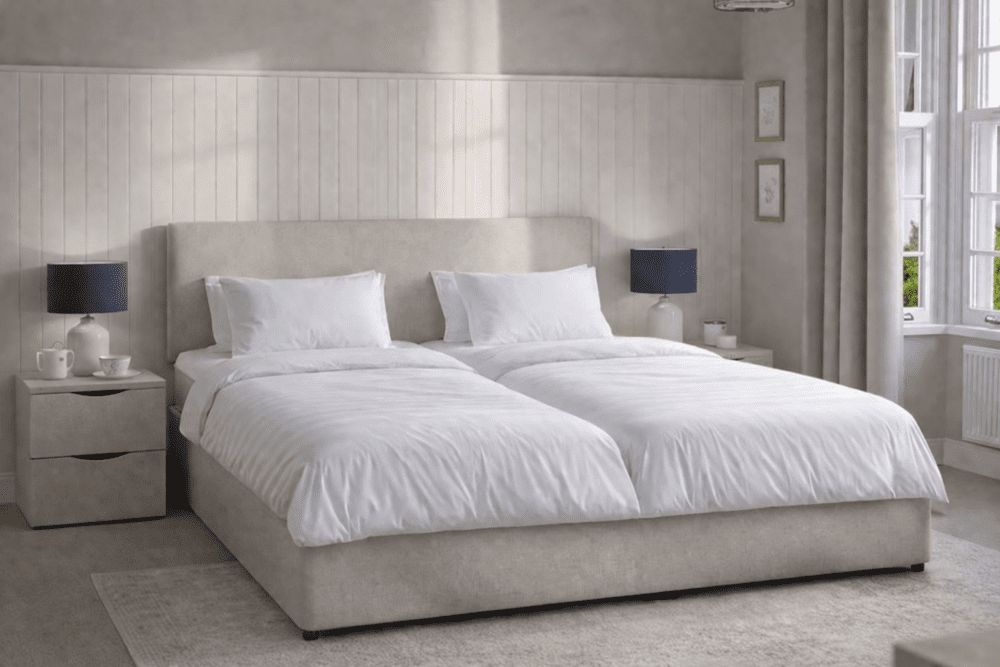
Sharing a bed is one of life’s great comforts. But in some cases, it can also be the disruptor to a good night’s sleep. According to our 2026 UK Sleep Survey, the German sleep method is already gaining popularity in the UK as a solution to partner disturbances, with 5% of people having tried it and a further 8% keen to give it a go.
If you’ve ever been woken by restless movement, rolled into your partner’s side, or battled over the duvet, this method could put an end to your nighttime quibbles, too, without the need for more drastic measures like a ‘sleep divorce‘. In this article, we explain exactly what the German sleep method is and how you can use it to sleep better together.
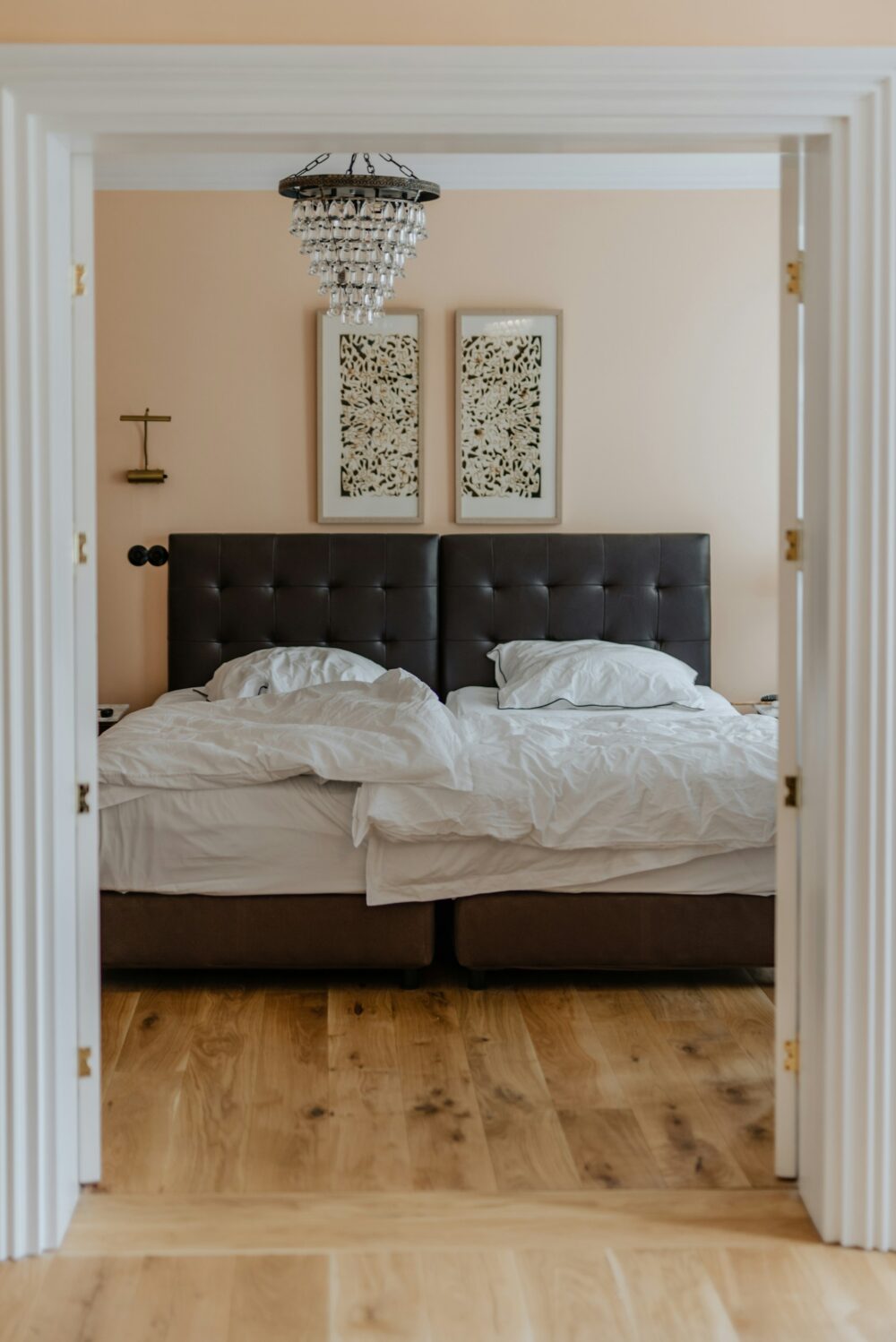
The German sleep method involves creating two separate sleeping spaces on one bed. Instead of one large mattress and one shared duvet, it uses two separate single mattresses placed side by side on one bed frame, with each person having their own duvet, pillow and bedding.
Common in Germany, where it’s known as a doppelbett (meaning “double bed”), the idea is straightforward: you still share the same bed but sleep more independently, helping reduce disturbances from movement, prevent duvet stealing, and support each sleeper properly.
The German sleep method doesn’t require a complete bedroom overhaul. It’s a practical, low-effort change that could make a real difference to how rested you feel. Here’s why couples are giving it a go:

Ready to give it a go? Here’s how to set up the German bed method properly:
Step 1: Measure your bed frame: Two UK single mattresses (each 90cm x 190cm) fit perfectly inside a standard UK super king bed frame (150cm x 200cm), though length can vary between frames. Two small single mattresses (75cm x 190cm) may work better if your frame is on the shorter or narrower side. Measure your frame before ordering, and double-check the depth of each mattress against your frame’s side height. For more help with measurements, read our mattress size guide.
Step 2: Secure the mattresses: Two separate mattresses will slide around unless you keep them in place. Use a non-slip mattress pad or grip mat between the mattress and the base to hold them still. You can also use mattress connectors, which strap the two mattresses together along the join. This stops any annoying gaps from forming in the middle overnight.
Step 3: Cover the middle gap: The join between the two mattresses is the main challenge. A mattress bridge pad (a wedge-shaped foam insert that sits along the seam) fills the gap and creates a smoother surface across the full width of the bed. It also means you’re not physically separated if you still want to feel more connected to your partner.
Step 4: Sort your bedding: Each person gets their own duvet. Choose a size that covers each person well. A single duvet per person works well, or go up to a double-sized duvet each if you like a bit of overhang.
Step 5: Keep the bed looking tidy: Two separate duvets can look a bit chaotic. A large throw or bedspread laid across the whole bed during the day pulls everything together and makes it look intentional.
Because each person gets their own mattress, choosing the right one is all about what works best for you. Some of the most popular options for the German sleep method are:
The German sleep method isn’t the only way to sleep better with your partner. A popular alternative is the Scandi sleep method, which keeps a shared mattress but uses separate duvets, offering a simpler first step. A split tension mattress is another option worth knowing about. It’s a single mattress with two different firmness zones, one for each sleeper, so you both get the support you need without needing separate mattresses at all. At the other end of the scale, if you have a spare bed, a sleep divorce involves sleeping in separate beds or rooms altogether. This method is particularly popular among those who wake up to their partner’s snoring.
The German sleep method won’t suit everyone. But if disturbed nights are becoming a pattern, two single mattresses and your own duvet each is a surprisingly simple fix. Less drama than a sleep divorce, and considerably more sleep than you’re probably getting now.