
How to Sleep Comfortably Together When You Like Different Temperatures
7 Min Read |
Last Modified 30 July 2026 First Added 9 March 2026
It’s 11 pm. You’re finally in bed after a long day. You pull the duvet up to your chin, close your eyes, and… your partner flings the covers off. Again.
Sound familiar? It happens in bedrooms across the country every single night. Our latest Sleep Survey found that 24% of Brits say being too hot is one of their main reasons for a bad night’s sleep, while 12% say the opposite: they’re too cold. And when you share a bed with someone who sits at the other end of that scale? Well, it gets complicated.
Duvet hogging was voted the third most annoying thing about sharing a bed (33% of respondents, in case you were wondering). But the real issue often isn’t greed. It’s biology. Your bodies are literally working at different temperatures. Once you understand why this happens, fixing it is a lot easier than you’d think.
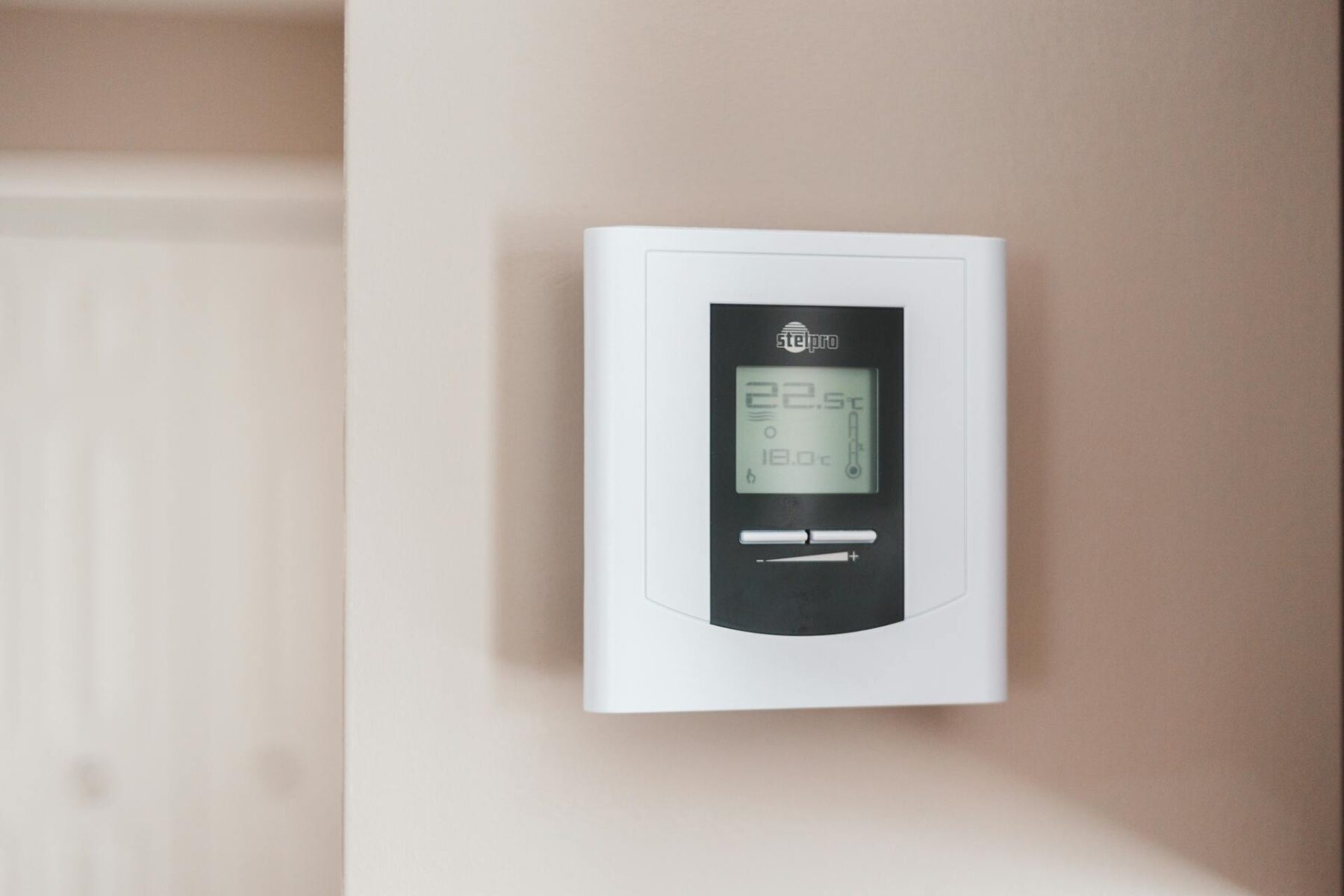
Your body temperature drops as you fall asleep. It’s one of the things that triggers melatonin production, the hormone that tells your brain it’s time to switch off. The ideal bedroom temperature for sleep sits between 18-21°C (65-70°F). That’s cooler than most people expect.
Here’s where it gets interesting. Research published in the Journal of Physiology found that women experience a smaller drop in core body temperature during the night compared to men. Women also reach their lowest body temperature earlier in the night. So while one partner might still be radiating heat at midnight, the other could already be reaching for extra layers.
A study in Science of the Total Environment supported this. Researchers found that women consistently reported feeling colder than men in the same room and had lower skin temperatures in cooler environments. Men, on the other hand, showed stronger thermoregulatory responses to cold, meaning their bodies adjusted faster.
So that tug-of-war over the thermostat isn’t about being dramatic. Your partner genuinely feels a different temperature from you.
Hormones play a role in how hot or cold you feel at night. Oestrogen and progesterone both affect the body’s thermostat. During the luteal phase of the menstrual cycle (the two weeks before a period), core body temperature rises.
Research from the University of the Witwatersrand showed that women on hormonal contraceptives also maintain higher body temperatures during sleep.
Then there’s perimenopause and menopause, where night sweats can make the whole situation even trickier. If you’re dealing with hormonal temperature swings on top of a partner who likes to sleep under a winter-weight duvet in July, it can feel like there’s no winning.
In Sweden, Denmark and Norway, most couples sleep under separate duvets as standard. Two single duvets on one bed. That’s it. No drama, no negotiations. Each person picks the tog rating and material that works for them. One of you wants a light, breathable 4.5 tog? Go for it. The other prefers a cosy 10.5? No problem.
We’ve already written about the Scandinavian Sleep Method and separate bedding for couples, and our Sleep Survey found that 6% of Brits have already tried it. Another 11% said they’d be willing to give it a go. The appeal makes sense: you keep the closeness of sharing a bed without the nightly battle over who gets the duvet.
If you’re thinking “but what about cuddling?”, don’t worry. You cuddle before sleep, then retreat to your own cosy cocoon. Intimacy intact. Sleep quality restored. And if you need help picking the right duvet for your temperature, our duvet buying guide breaks it all down by tog, fill and material.
Our Sleep Survey reveals sharing a bed isn’t always cosy:
When you look at it like that, the thermostat battle makes a lot more sense.
Some mattress materials trap heat more than others. Memory foam, for example, is brilliant at contouring to your body, but denser foams can retain heat. If you’re the hotter sleeper, that’s the last thing you need.
Here are some of the best mattress types for hot sleepers:
Not sure where to start? Sleepmatch can help you find a mattress suited to your body, and our personal comfort guide walks you through what to look for.
You don’t need to overhaul your entire sleep setup to make a difference. Some of the simplest changes are the most effective.
Separate duvets are the obvious one, but what you wear to bed matters too. If you run cold, wearing socks to bed can genuinely help. Research has shown that warming your feet promotes vasodilation (increased blood flow), which actually helps your core temperature drop and signals your body to sleep. The hot sleeper, meanwhile, might want to go for moisture-wicking sleepwear or, let’s be honest, very little at all.
Bedding material can also make a surprising difference. Natural fibres like cotton and linen breathe better than synthetics, so they help regulate temperature on both sides of the bed. Our cool night sleep bedding range is designed with exactly this in mind.
A warm bath about 90 minutes before bed can also help the cooler sleeper. It sounds counterintuitive, but warming the skin encourages your body to release heat faster afterwards, bringing your core temperature down and making it easier to drift off.
And yes, a fan on one side of the bed is a perfectly valid solution. Aim it at the hot sleeper and let the cooler partner keep their side undisturbed.

Our Sleep Survey found that 62% of Brits share a bed with a partner, but a quarter of them admit they sleep better alone. That number jumps to 31% for women. Temperature differences are a big part of why.
The thing is, sleeping next to someone you love has real benefits. Research has linked it to lower stress levels, feelings of security and even better REM sleep. The trick is making the physical experience comfortable for both of you.
So if you’re the one sneaking the duvet over to your side at 3 am, or the one lying there wide awake because you’re overheating, know this: it’s biology, not bad behaviour. And the fix might be as simple as two single duvets and a cooling mattress.
Because the best temperature for sleep? It’s the one that lets you both drift off comfortably and wake up feeling refreshed.