
Relaxation Techniques For Anxiety
4 Min Read |
Last Modified 24 September 2026 First Added 24 September 2026
Anxiety can impact your ability to relax for a number of reasons. It can make you feel very worried, cause racing thoughts and make it hard to feel calm. But there are things we can do to try and ease your anxiety.
In this article, we’ll explain what anxiety is, give you some relaxation tips, and provide information on where you can go if you need more support.
Anxiety describes what we feel when we’re worried about something that we think might happen. Most of us will feel anxious at some point in our lives, and not all anxiety is considered a mental health problem. Anxiety can actually be a very normal human reaction to things in our lives that are very stressful or scary.
Everyone experiences anxiety differently, but some of the common symptoms include:
If your feelings of anxiety are very intense, last a long time, and your worry is out of proportion to the actual risk of danger or harm, it might be considered a mental health problem.
This kind of anxiety can make it difficult for you to live your day-to-day life. It can include things like phobias, panic disorder, social anxiety, and generalised anxiety disorder. Mind has more information about different anxiety disorders on their website.
Anxiety can make it really hard to relax. When we’re anxious, we might find it very hard to sit still, concentrate, or calm our mind. This might impact our sleep, work, or our ability to enjoy things we normally find fun.
But there are ways we can manage our anxiety and relax. Here are some that can make a difference:
We can never be sure what will happen in life, but trying to think of all the possibilities or trying to find certainty can often make us feel more anxious. Thinking less about all the possible outcomes of a situation can make it easier to relax.
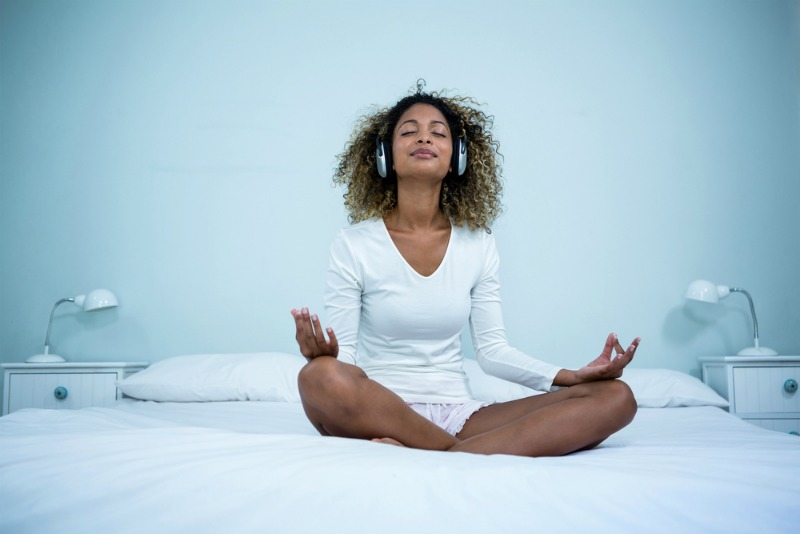
If your mind is racing with anxious thoughts, grounding techniques can help bring you back to the present moment. You can try and focus on your senses, like naming five things you can see, or focusing on how the ground feels under your feet.
This describes a range of techniques that can help you focus on the present moment. This can help you relax and feel peaceful. Browse Mind’s recommended mindfulness techniques to get started.

This is a box of things that you find helpful when you’re struggling. It could be a physical box with things like a soft or weighted blanket, cosy slippers, or lavender bags. It could also be digital and include things like relaxing music playlists, or photos you find comforting.
Slow, deep breaths can help you feel more in control and relaxed. There are lots of different types of exercises, and you can browse a fuller list here.
Remember that different things work for different people at different times. It’s OK if not all these tips work for you. The Mind website has more information on managing anxiety and worry if you think you might need further support.
If your anxiety is very intense, you might need more support than self-care techniques alone.
The first step is normally to speak to a GP about how you’re feeling. They can discuss what support might be available for you in your local area, as well as things like medication. If your anxiety makes it hard for you to attend certain types of appointments, you can look online to see if your GP offers other options that might be easier for you.
Mind has information on treatments for anxiety on their website.
Browse more relaxation tips on the Mind Relaxation Hub, only on Dreams’ Sleep Matters Club.