How to Sleep Better When You Have a Cold
4 Min Read |
Last Modified 2 November 2026 First Added 21 February 2019
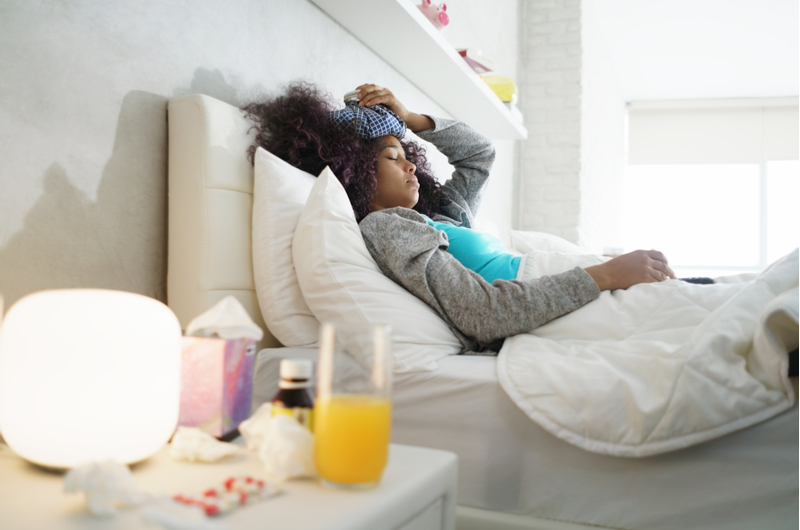
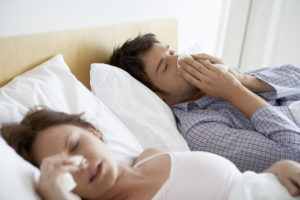
One nostril clears, the other blocks, and the pile of tissues on the bedside table keeps on growing. Colds and sleep don’t always get along, and when we asked UK adults what had the biggest impact on their sleep, illness or a health condition came out on top at 31%. Rest is one of the first things the NHS suggests for a cold, so a comfier night may be worth a little extra effort.
The lowdown: Raising your head and shoulders with an extra pillow may be the best way to sleep when you have a cold. Staying cosy without overheating and having a warm drink or a steamy shower before bed may also help. A pharmacist can advise on remedies for a blocked nose or sore throat, and a GP can help if symptoms worsen or don’t improve after 10 days.
Lying down may make a blocked nose feel even more blocked. A 2021 paper cited 12 studies that found nasal resistance, a measure of how hard it is to breathe through the nose, increases when people lie down. Even a slightly stuffier nose may be enough to tip some people into mouth breathing. Blood flow to the head increases when lying down, which may cause swelling in the tissues inside the nose. Lying flat can also make it harder for mucus to drain from the sinuses.
The best position to sleep in with a cold may be with your head and shoulders raised, so gravity can help the sinuses drain. An extra pillow or raising the head of the bed can do the trick, and there’s no need to sit bolt upright, according to advice from the US health system UPMC.
When one side of the nose is more blocked than the other, lying on your side with the blocked nostril facing up may help. Sleeping face down may be the least helpful position for a blocked nose, with one study finding more congestion when people lie on their stomachs than when they lie on their backs.

A few small changes to the evening may make a night with a cold a little more bearable:
A warm drink may bring some welcome relief. In a small study of 30 people with cold symptoms, a hot drink eased a runny nose, sneezing, a sore throat, chilliness and tiredness straight away. Our guide to the best bedtime drinks has plenty of cosy ideas, from herbal tea to warm milk.
Sitting in a steamy bathroom with a hot shower running may help ease a blocked nose. The evidence on steam is mixed, and a 2017 Cochrane review found too little good-quality research to say whether heated, humidified air helps cold symptoms. In a 2019 analysis of the research, a warm bath or shower 1 to 2 hours before bed was linked to falling asleep faster. A steamy shower before bed may still be worth a go.
Gargling with half a teaspoon of salt dissolved in a glass of warm water, then spitting it out, may help ease a sore throat, though it isn’t suitable for children. A hot lemon and honey drink is another way to soothe a scratchy throat. Please note that honey isn’t suitable for babies under 12 months.
Piling on extra blankets may leave you too hot to sleep comfortably, and a slightly cooler bedroom can feel better for sleep. Layers that are easy to add or kick off can make it simpler to get the balance right through the night. Our sleep temperature guide has more on keeping the bedroom comfortable.
A nightcap may help some people drop off, though alcohol can disrupt sleep in the second half of the night. Plenty of water and other fluids can help prevent dehydration during a cold. Our guide to alcohol and sleep has more on how a drink before bed affects the night.
A pharmacist can advise on remedies for aches, a high temperature, or a blocked nose, including which ones are suitable for children or anyone who’s pregnant. Decongestants aren’t suitable for children under 6, and decongestant nasal sprays shouldn’t be used for more than a week. Cold remedies shouldn’t be combined with paracetamol or ibuprofen tablets.
If sleep won’t come after about 20 minutes, getting up and doing something relaxing until you feel sleepy may help. A few pages of a book or some quiet music could be just the thing.

Sleep may help the body fend off colds in the first place. A 2015 study tracked the sleep of 164 adults for a week before giving them nasal drops containing a cold virus. People in the study who slept less than 6 hours a night were 4.2 times more likely to catch a cold than those who slept more than 7 hours. There’s no overnight cure for a cold, though most people start to feel better in about 1 to 2 weeks.
A cold can spread from a few days before symptoms start until all the symptoms have gone, so it can be easy to pass on. For anyone sharing a bed, a few nights apart may give the other person a break from the sniffles. Our guide to sleep divorce looks at the pros and cons of sleeping separately.
Anyone worried about a cold can speak to a GP. The NHS suggests seeing a GP if cold symptoms are getting worse, haven’t improved after 10 days or come with shortness of breath or chest pain.