
Why Does My Anxiety Feel Worse At Night?
4 Min Read |
Last Modified 24 September 2026 First Added 24 September 2026
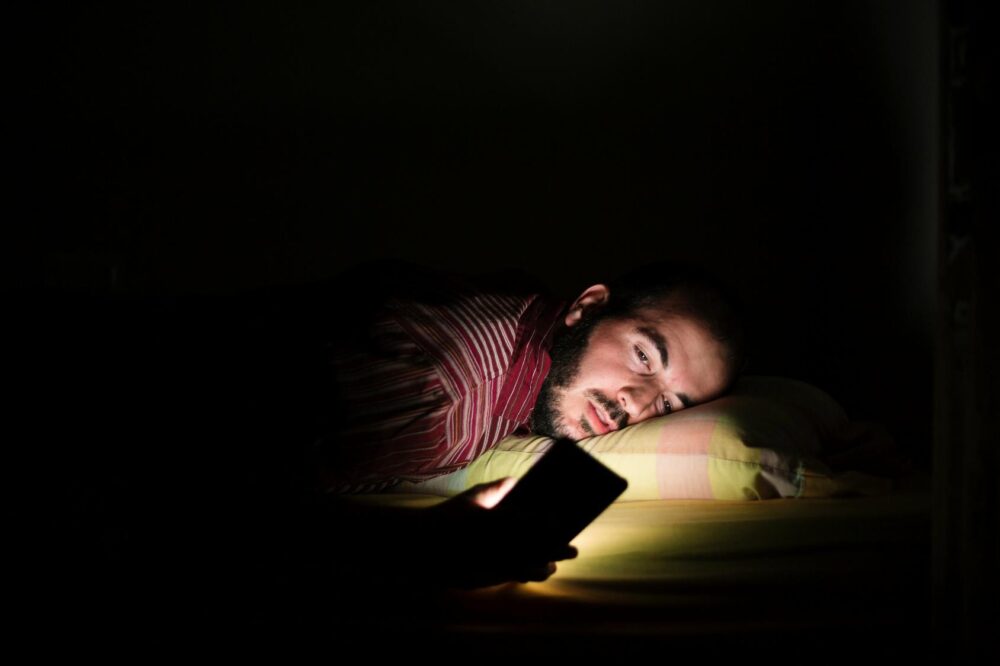
Feelings of anxiety are different for everyone. Some of us might find our anxiety is triggered by specifics events or is worse at certain times of the day. If your anxiety feels worse at night, this can make it hard to get to sleep and impact sleep quality.
In this article, we’ll explain what anxiety is, how it can impact us at night, and suggest some tips to try and manage your anxiety.
Anxiety describes what we feel when we’re worried about something that we think might happen. Most of us will feel anxious at some point in our lives, and not all anxiety is considered a mental health problem. Anxiety can actually be a very normal human reaction to things in our lives that are very stressful or scary.
Everyone experiences anxiety differently, but some of the common symptoms include:
If your feelings of anxiety are very intense, last a long time, and your worry is out of proportion to the actual risk of danger or harm, it might be considered a mental health problem. This kind of anxiety can make it difficult for you to live your day-to-day life. It can include things like phobias, panic disorder, social anxiety, and generalised anxiety disorder. Mind has more information about different anxiety disorders on their website.
Everyone’s experience of anxiety is different. Some of us find that our anxiety is triggered by certain situations or things. Or we might feel anxious at certain times of the year, or around specific events.
Some of us feel that our anxiety is worse at night. But even this experience can be different for different people, such as:
If you’re often very busy in the daytime, you might find that you are distracted enough from your anxiety or worry that you don’t think about it too much. This might change at night when things are quieter. It can be very common to find it hard to sleep because of anxious thoughts.
If you have a phobia of the dark, the nighttime might make you very anxious. You might not like leaving your home when it’s dark, or need to always have some kind of light on to stop you feeling anxious.

If you’re anxious about something happening the next day, you might feel anxious the night before. For example, if you have a big presentation at work, you might find yourself worrying about how it will go, whether you’ll remember what to say, or what might go wrong. Even if something fun is planned you might still feel anxious, like if you’re hosting a social event and there’s a lot to organise or set up.
Some of us might have worries about going to sleep. For example, if we experience nightmares or sleep paralysis. Worrying about these frightening experiences might prevent us from getting to sleep. If they happen in the night, they might make us too anxious to get back to sleep.
If you have PTSD related to a traumatic event that happened to you at night, there might be things about the nighttime that you find very triggering such as the dark or sounds. This might make you feel very anxious at night.
These are just some reasons you might feel more anxious at night. You might have an experience we haven’t listed here that’s personal to you.
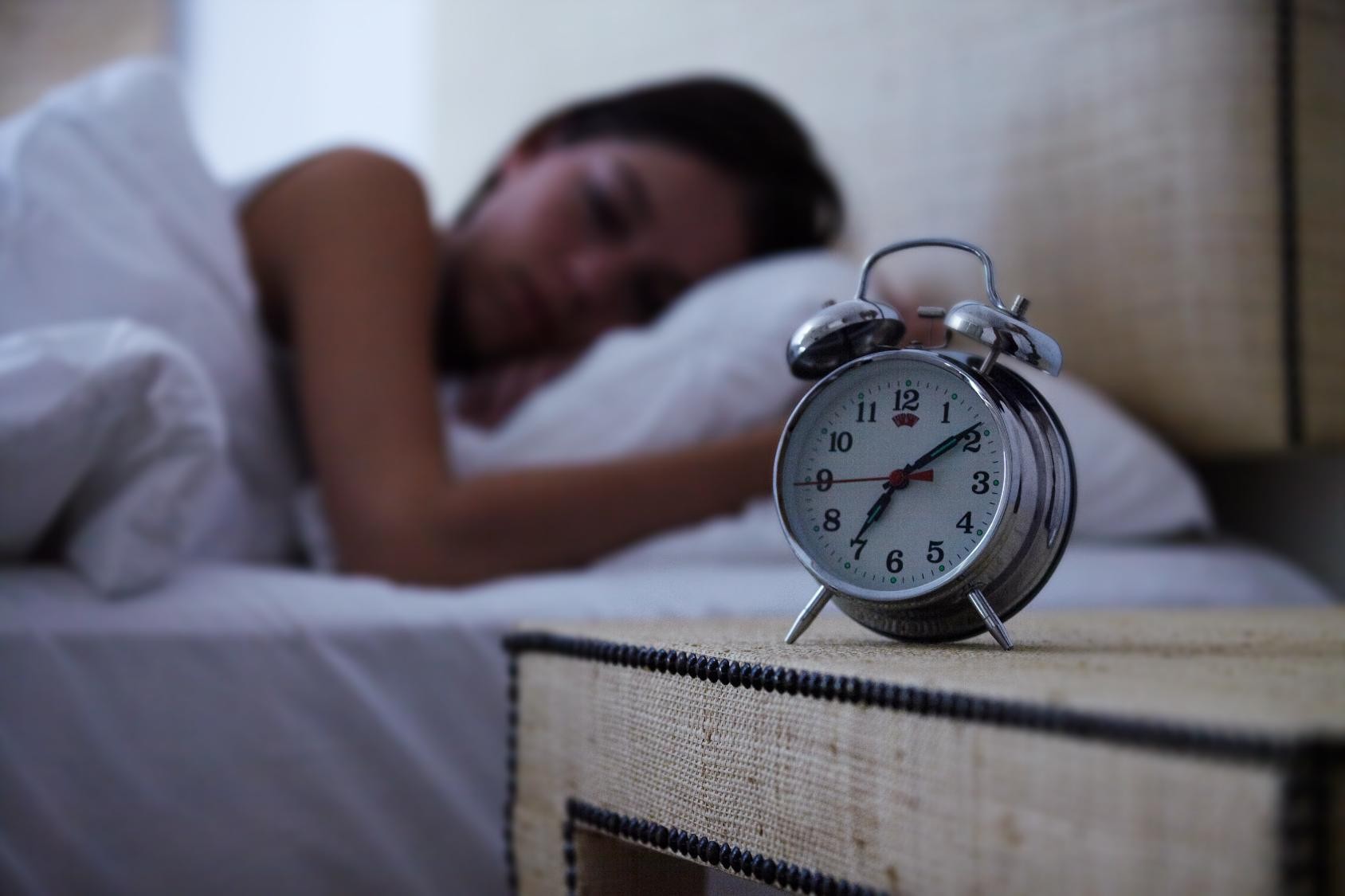
If you’re finding your anxiety is difficult to manage at night, there are things you can do to help.
Everyone finds different things helpful when it comes to coping with anxiety, so it’s OK if these things don’t work for you, or if what works changes over time.
Learning more about what you’re worried about can help you overcome it. Thinking about what might be causing you to feel anxious is a good first step. You might not always know, or it might be caused by multiple things, but finding out what you can is helpful. Sometimes keeping a diary that tracks when you feel anxious can help you spot patterns.
Anxiety can often make us think that the worst possible thing will happen. Try and challenge these thoughts if you can. You can try and think of potential positive outcomes, or ask yourself how likely these bad scenarios really are.
If you find yourself over-thinking at night, it can help to write down the things you’re worried about. This could be in a notebook, on your phone, or on a piece of paper you then put in an envelope or jar. The idea is to get the worry out of your head and somewhere else for the night.
This is a box of things that you find helpful when you’re struggling. It could be a physical box with things like a soft or weighted blanket, cosy slippers, or lavender bags. It could also be digital and include things like relaxing music playlists, or photos you find comforting.
If your anxiety has been impacting you at night for a long time and you find it’s impacting your life, you may want to consider seeking support. Speaking to a GP is often the first step. They can discuss treatments and support available in your area. Mind has information on seeking help for a mental health problem.
These are just a few tips to get you started, but Mind has more information on managing anxiety and worry on their website.
Browse more relaxation tips on the Mind Relaxation Hub, only on Dreams’ Sleep Matters Club.