
Is Sleeping on Your Stomach Bad for You?
7 Min Read |
Last Modified 13 April 2026 First Added 13 April 2026

A lot of front sleepers spend years waking up achy and never quite joining the dots. The position feels comfortable. The problems feel unrelated. But the two can be related in some individuals.
This article covers what front sleeping may do to your body, who it affects most, and the practical changes that may help reduce strain – whether you want to switch positions or just make your current one work better for you.
A peer-reviewed study published in PubMed found that about 7% of adults sleep on their stomachs, perhaps because it’s often less supportive of spinal alignment for many people. Side sleeping dominates, with back sleeping in second place.
In our 2026 Sleep Survey, nearly one in three people (32.5%) reported spending time trying to get comfortable before they fall asleep each night. Among those reporting broken or disturbed sleep:
Sleep is shaped by many things, but sleeping position is one of the few things people can actively change. For front sleepers, it’s worth knowing what the body goes through overnight.
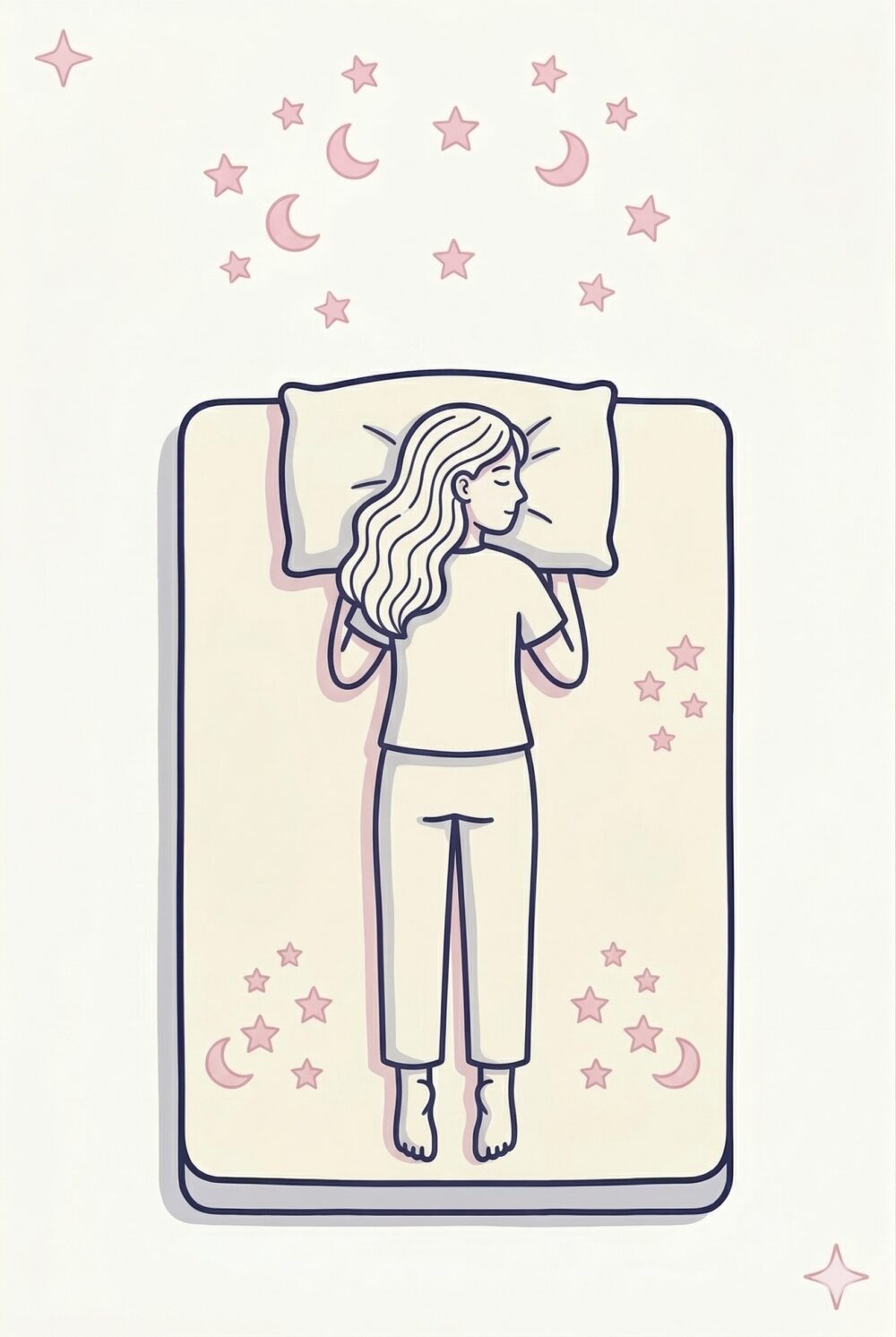
The spine has a natural S-shaped curve that helps distribute body weight evenly. When you lie face down, that curve may move away from a neutral position. The lower back often extends, the pelvis may tilt anteriorly, and the neck is typically required to twist to one side so you can breathe. Because of this, it’s often considered less favourable for maintaining neutral spinal alignment compared to side or back sleeping.
Front sleeping affects people differently, but the neck, back and shoulders are commonly reported areas of discomfort. Keeping the head rotated for hours can increase mechanical load on neck muscles and joints and may increase stress on the lower back by reducing time spent in a neutral spinal position. Shoulder discomfort may occur, particularly when the arms are raised above the head.
Brief pins and needles can happen when a nerve is compressed during sleep, but symptoms that are frequent, prolonged, painful or associated with weakness should be clinically assessed.
Yes, for some people. Sleeping on your stomach can reduce snoring compared to lying on your back, because back sleeping allows gravity to pull the tongue and soft tissues at the back of the throat downward, narrowing the airway. Changing position can help keep the airway more open, which is why people with mild snoring or positional sleep apnoea are often advised to avoid sleeping on their back.
That said, stomach sleeping isn’t usually the first recommendation. Side sleeping tends to offer similar airway benefits and is generally more comfortable for the neck and spine. For people with acid reflux, sleeping on the left side may also help reduce symptoms overnight. There’s limited evidence that stomach sleeping provides digestive benefits, but prone positioning (on your stomach) is not routinely recommended for reflux and may worsen symptoms in some individuals.
Groups where sleeping position matters most:
1. Pregnant women
As pregnancy progresses through the second trimester, front sleeping becomes physically uncomfortable and is generally not recommended. Left-side sleeping is the standard medical advice from this point onwards, as it supports blood flow through major vessels alongside the spine and improves circulation to the placenta. Tommy’s and the NHS both have detailed guidance on sleep during pregnancy.
2. People with chronic neck or back pain
Front sleeping tends to put additional strain on already sensitive areas in some individuals. Our back pain and sleep guide covers the relationship between sleeping position, mattress support and spinal health in full.
3. Anyone waking with persistent morning stiffness
If neck or lower back pain shows up first thing and eases through the morning, sleeping position is worth looking at alongside mattress suitability.
Our 2026 Sleep Survey found that only 4.75% of UK adults say they always wake up feeling refreshed, and 25.8% rated their sleep quality as bad over the past month. Poor sleep is common, and the cause is not always obvious.
The following patterns may be associated with sleep positioning, though they are not specific:
If mattress suitability is also part of the picture, our personal comfort guide is a useful starting point for working out what kind of support your body needs.
Yes. Sleeping position is a habit, and habits can change with consistent effort. It takes time, typically several weeks, and the new position will feel odd before it feels normal. Most people notice changes in comfort in the mornings before the habit itself feels settled.
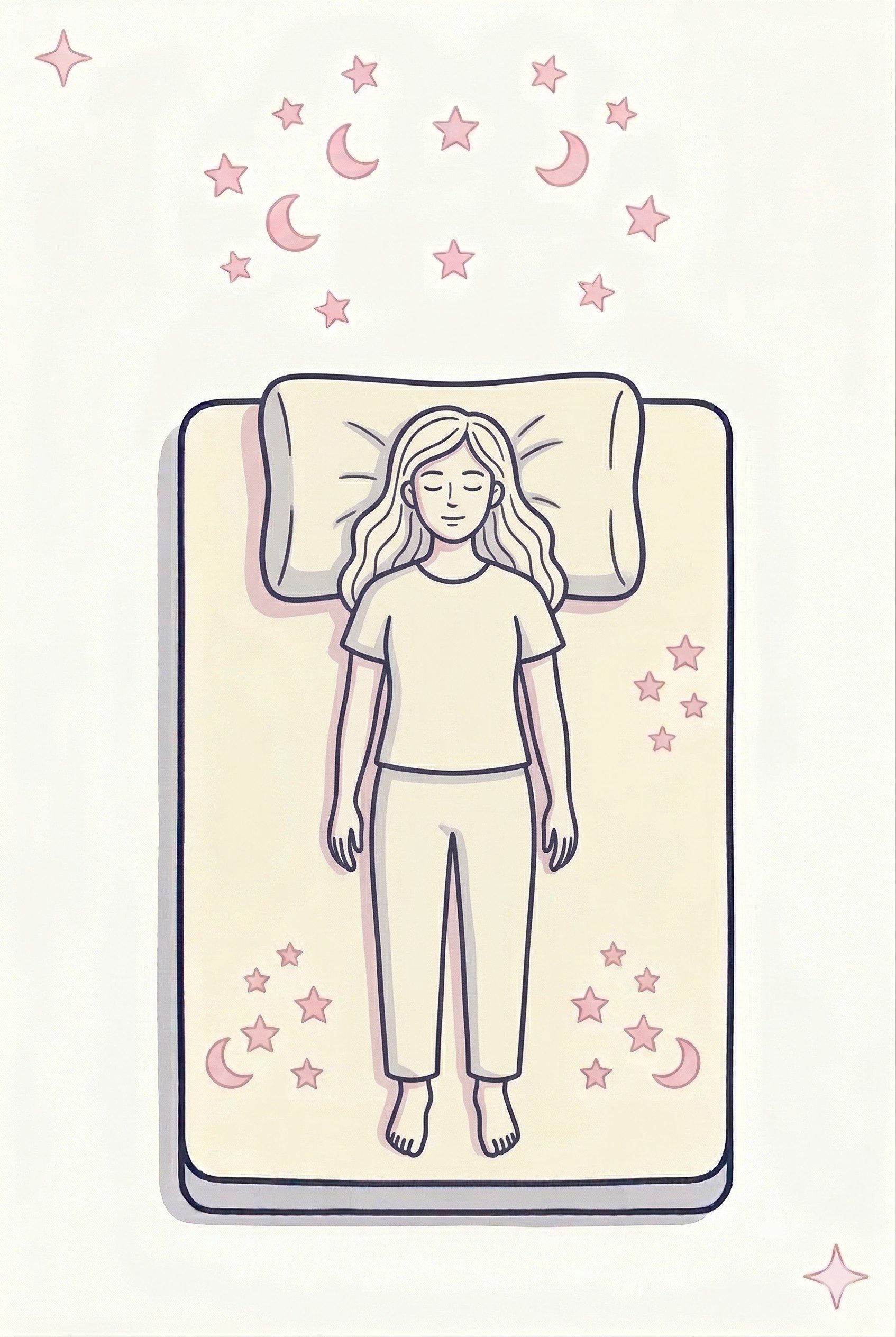
Some people find it genuinely difficult to shift away from front sleeping. If that’s you, a few straightforward changes can reduce the physical strain without fully changing the way you sleep.
A thick pillow under the head can increase the angle that the neck has to bend at. Switching to a flat or very thin pillow may reduce extreme neck positioning and reduce load on the joints and muscles along it.
A thin pillow placed under the lower abdomen can help lift the hips slightly, reducing the amount the lower back curves during the night. This is a simple, single adjustment for front sleepers who wake with back pain. Our pillow buying guide covers fill types and firmness in detail if you are not sure what to look for.
A mattress that is too soft can allow the hips to drop lower than the chest, potentially increasing strain on the lower back. A medium or medium-firm mattress tends to provide more even support for front sleepers. Memory foam mattresses contour to the body and can reduce pressure point discomfort. Pocket spring mattresses offer more responsive, zoned support. If back pain on waking is an ongoing problem, our back pain and sleep guide is the most relevant starting point.
Sleep is deeply personal, and what works for one person does not always work for another. But if you are regularly waking up stiff, achy or unrested, your sleeping position is one of the simplest and most effective places to start.
All sleep position illustrations have been generated by Gemini.