
What’s the Best Direction to Sleep in?
3 Min Read |
Last Modified 4 August 2026 First Added 14 July 2023
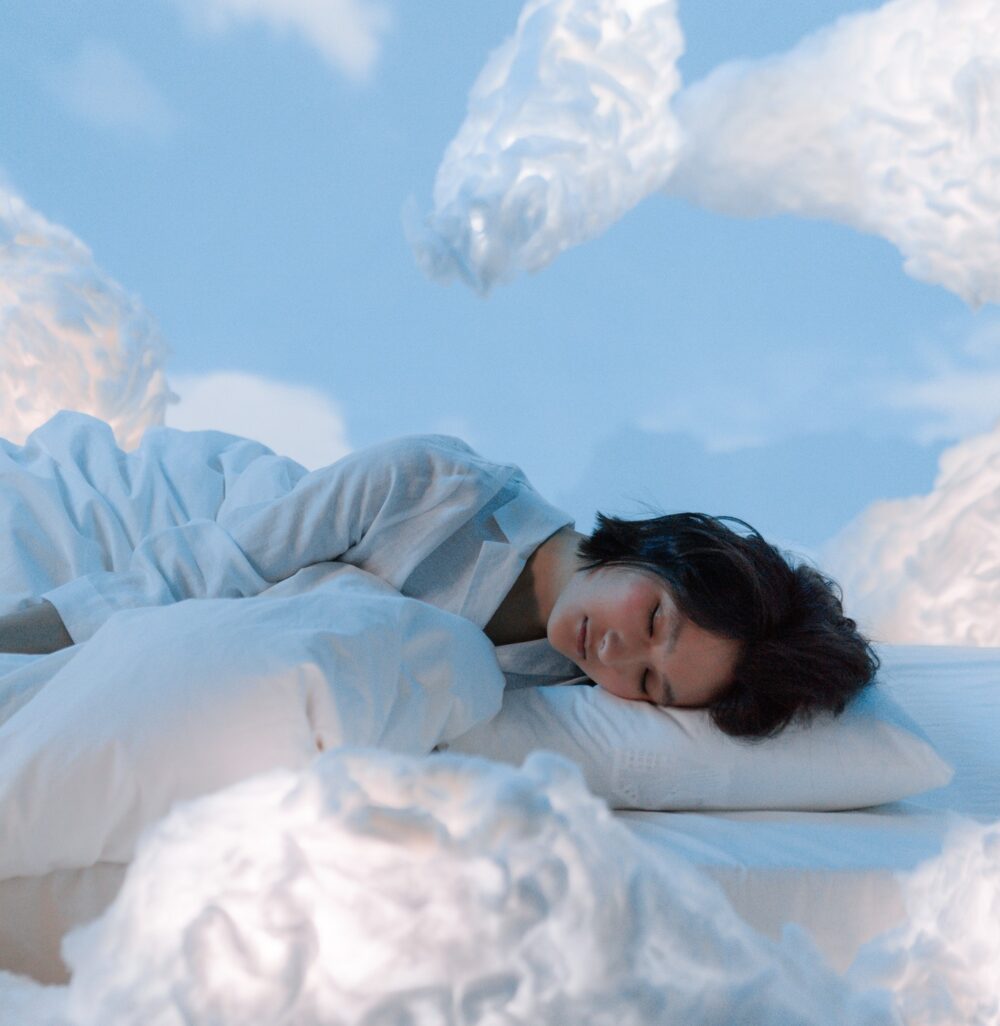
When it comes to the best direction to sleep in, ancient traditions and early research suggest that facing south or east may offer the most benefits. These directions are believed to align more naturally with the Earth’s magnetic field. While scientific evidence is limited, many people believe these orientations support better sleep quality.
Ultimately, the ideal sleep direction strikes a balance between comfort, cultural wisdom, and personal preference. Let’s dive into the different directions to sleep in and what they can offer you:
Sleeping with your head facing south is widely recommended in Vastu traditions for promoting restful, deep sleep. This direction is thought to harmonise your body with natural magnetic forces, creating a sense of calm and equilibrium. Some also believe it supports cardiovascular health and overall well-being. While not scientifically supported, many people find it a grounding and comforting position.
East-facing sleep is associated with mental sharpness, improved learning, and a more positive morning energy. In traditions like Vastu and Feng Shui, this direction is recommended for students or anyone seeking greater focus. Early research has even suggested potential links to lower blood pressure and improved mood. If you’re looking for a revitalising start to the day, this direction may feel particularly uplifting.
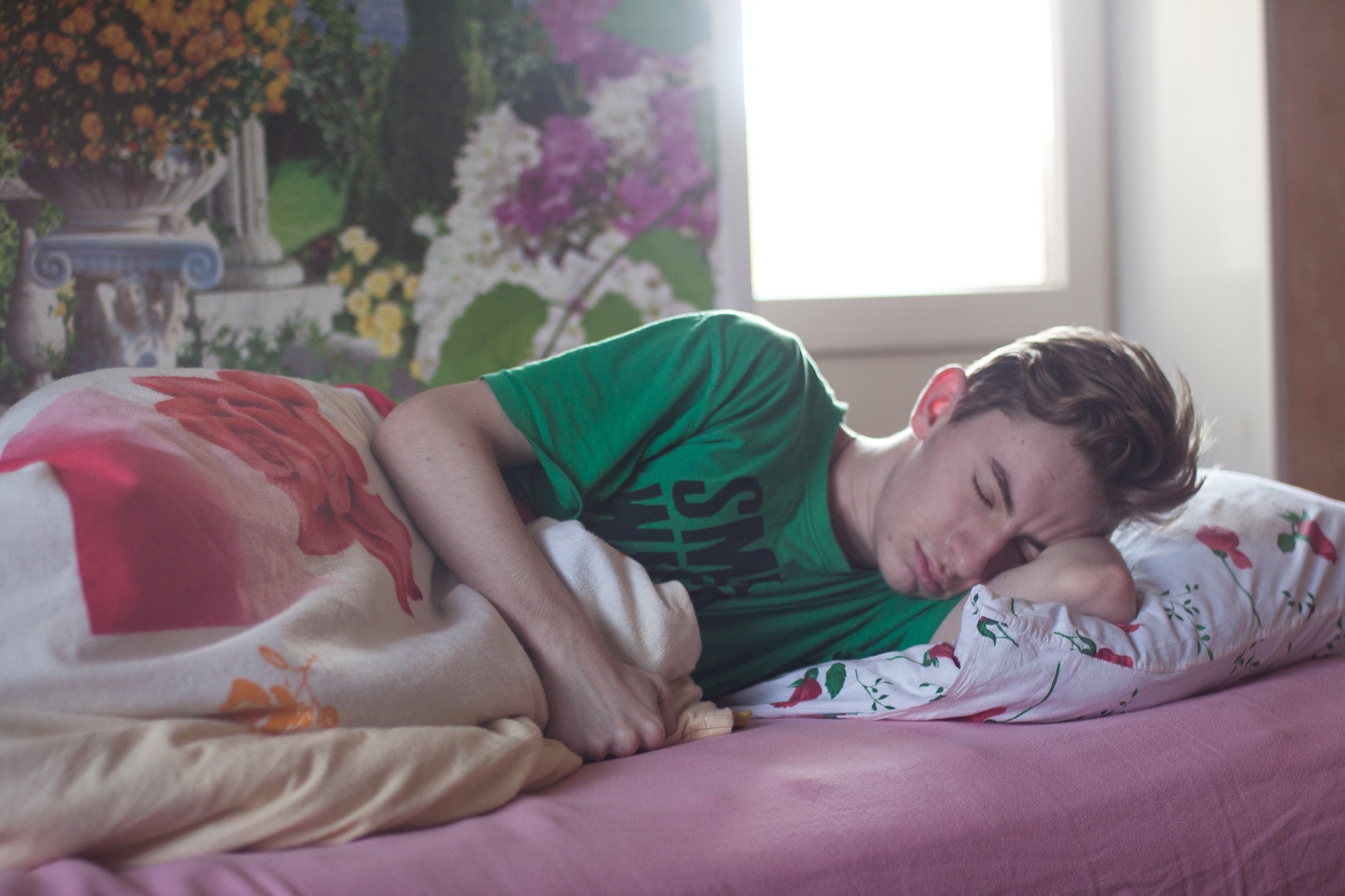
West-facing sleep sits somewhere in the middle of the compass debate. Some traditions associate it with ambition and achievement, making it a popular choice for career-driven individuals. Others suggest it might bring subtle restlessness or more vivid (occasionally unsettling) dreams. It’s not the most recommended direction, but it’s not forbidden either. If your bedroom layout makes west your only option, don’t lose sleep over it. Comfort and a good mattress will always trump compass points.
Sleeping with your head pointing north is generally discouraged in Vastu and Feng Shui. It’s believed this orientation disrupts the natural flow of energy and may lead to stress, restlessness, or disturbed sleep. Some cultural beliefs also associate north-facing sleep with negative symbolism or spiritual imbalance. While evidence is limited, many choose to avoid it based on traditional guidance.
Both Feng Shui and Vastu Shastra offer long-standing guidance on arranging your bedroom for harmony and well-being.
According to Feng Shui, your ideal sleep direction depends on your Kua number, an individual angle based on your date of birth, helping you face a direction that enhances balance and calm. The bed should also be in a “commanding position,” where you can see the door without lying directly in line with it.
Vastu Shastra, meanwhile, strongly recommends sleeping with your head to the south, as this is believed to align your energy with Earth’s magnetic field and support better health. When you flip the other way, you’ll have two similar poles facing each other, and that’s a recipe for potential headaches and high blood pressure.
Scientific evidence on the relationship between compass directions and sleep is limited, with only a few small studies examining the impact of electromagnetic fields on orientation. Most findings are inconclusive, meaning no direction can currently be recommended as scientifically superior.
However, there is strong research from the Journal of Clinical Gastroenterology on the effects of sleeping positions, where sleeping on the left or right side has measurable effects. Left-side sleeping is often favoured for digestion and reduced acid reflux.
On the other hand, some experts say sleeping on the right can be ideal, as it can reduce pressure on your heart muscles, according to the Journal of the American College of Cardiology.
Many traditions consider south or east to be the healthiest sleep directions, as they’re associated with calm, balanced rest. The south is often linked with steady sleep due to its alignment with the Earth’s magnetic field, while the east is seen as mentally refreshing.
Although scientific evidence is limited, many people find these orientations feel more natural. Ultimately, your healthiest direction is the one that supports comfort and uninterrupted sleep.
North is the direction most commonly viewed as unfavourable for sleep. Traditional systems, such as Vastu and Feng Shui, suggest that this orientation may disrupt the body’s natural energy flow. Some even associate it with stress, restlessness, and symbolic negativity. While not scientifically proven, many people choose to avoid it for peace of mind.
Sleep orientation isn’t the only factor worth considering; your bodily sleep position also shapes your dream experiences. Research by Dr Calvin Kai-Ching Yu of Hong Kong Shu Yan University found that people sleeping face down often report more vivid and emotionally rich dreams. Dr Yu’s study revealed that side sleepers may experience calmer, more neutral dream patterns.
While the direction you face matters culturally, the way you lie down may have a more significant impact on your dreams.
There’s no strong evidence that a specific compass direction causes nightmares. However, certain sleep positions can indirectly make bad dreams more likely. Back sleepers are more prone to sleep apnea, which can disrupt breathing and trigger stressful dream episodes. If nightmares are common, shifting to a side position may help improve both airflow and dream quality.
While science tells us that it doesn’t really matter what direction you sleep in, there’s no harm in giving the ancient wisdom of Feng Shui and Vastu Shastra a whirl. Let your intuition guide you to a sleep position that feels like a fluffy cloud of comfort. And remember, the position you choose is also a factor, so if you’re a back sleeper, try a side nap and see how you feel. It may just be the best direction for your sleep.