
What Happens When We Sleep?
9 Min Read |
Last Modified 30 July 2026 First Added 13 July 2023
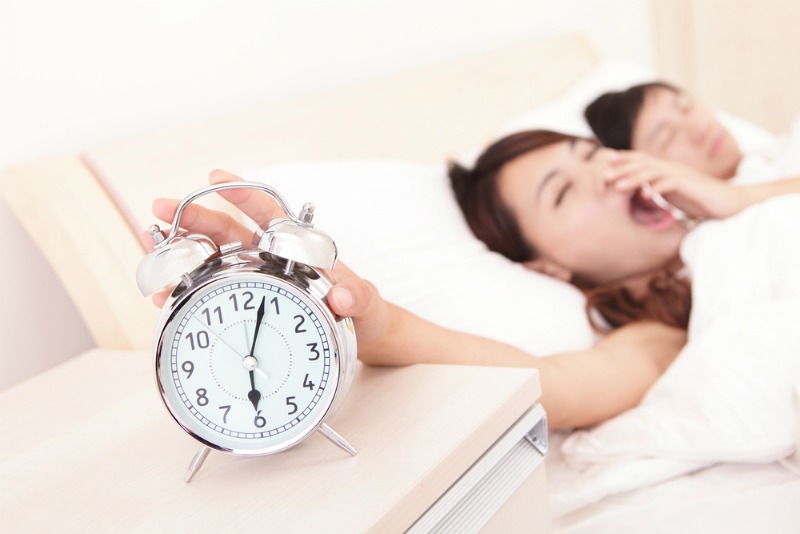
Sleep can feel like a bit of a mystery. You close your eyes, and before you know it, hours have passed, and the alarm is going off. Some nights bring vivid dreams of impossible places. Others feel like nothing at all. The truth is, every night your body goes through each stage of the sleep cycle, each one doing a different job behind the scenes.
In this article, we’ll explain what a sleep cycle is, what’s happening in your brain and body, and the lifestyle factors that can throw the whole thing out of sync.
During a typical 7-9 hours of sleep, your body moves through 4-6 sleep cycles. Each cycle lasts around 90 minutes and contains four distinct stages. These cycles are the natural rhythm your body follows every night, giving your brain and body the rest, repair and recovery they need so you can wake up feeling like yourself again.
There are two main types of sleep: Rapid Eye Movement (REM) and Non-Rapid Eye Movement (NREM). A full sleep cycle moves through three stages of NREM and one stage of REM. Most of your night is spent in NREM. Here’s what happens in each stage:
This is the doze-off phase, the lightest part of NREM sleep. Brain waves slow from the alpha waves of relaxed wakefulness to slower theta waves. Your heart rate and breathing ease back, your muscles loosen, and you might feel that sudden falling sensation known as a hypnic jerk. N1 only lasts a few minutes, and you’re easily woken. If something wakes you at this point, you may not even realise you were asleep.
N2 makes up around half of your total sleep time. Your body temperature drops further, your heart rate continues to slow, and brain activity shows distinctive bursts called sleep spindles and K-complexes. These are thought to play a role in motor memory consolidation, which is part of why a quick nap can help you learn a new skill. You’re still relatively easy to wake, but it takes more than a quiet noise to do it.
Deep sleep, also called slow-wave sleep, is the most restorative stage. Brain waves slow into long delta waves, and your body gets to work. Growth hormone is released, tissues are repaired, and your immune system gets a boost. This is also where the brain is thought to help clear metabolic waste, including proteins linked to long-term cognitive health. Most of your deep sleep happens in the first half of the night. If an alarm catches you here, you’ll feel groggy for a while afterwards.
REM sleep, or rapid eye movement sleep, is when most dreaming happens. Your brain becomes nearly as active as it is when you’re awake, your eyes flick around behind closed lids, and your breathing turns irregular. Most muscles are temporarily paralysed (a state called atonia), so you can’t act out your dreams. REM is when the brain processes emotions and consolidates memory, particularly the kind tied to learning and problem-solving. Your first REM stage of the night might only last 10 minutes. By the early morning, REM stages can stretch past an hour, which is why dreams are most memorable just before you wake up.
Feeling tired? Find your ideal sleep duration with our Sleep Cycle Calculator.

As you move through each cycle, things change in both your body and your brain. Once you’ve drifted off, the brain sends a series of signals that put your body into rest, repair and recharge mode for the night.
In the early stages of NREM sleep, your heart rate begins to slow and your blood pressure drops, reaching its lowest point during stage N3. As your body relaxes and settles into deeper rest, this shift signals the move into the parasympathetic nervous system, often called the “rest and digest” state. The process conserves energy, eases the load on your cardiovascular system, and lets your body focus on healing and recovery overnight.
When you move into REM sleep, this starts to reverse. Heart rate and blood pressure can gradually return closer to waking levels, helping you prepare for the day ahead.
As your heart rate slows, your breathing follows. Both ease into a slower, steadier rhythm as the nervous system signals the muscles that control breathing to relax. Once REM kicks in, breathing returns to a more wake-like pace, sometimes faster and a bit irregular.
Your muscles unwind as you drop off, just as the rest of your body does. Once REM hits, they’re temporarily paralysed in a process known as atonia. This conserves energy and stops you from physically acting out your dreams. When the system is disrupted, it can lead to issues like sleepwalking, when parts of the brain remain active during deep sleep.
Sleep is a busy time for the endocrine system. Growth hormone supports tissue repair and development, cortisol slowly rises towards morning to help wake you up, and leptin (the hormone that signals fullness) is regulated overnight. Disrupted sleep throws all of these off, which is part of why poor sleep can affect everything from appetite to mood.
Your core temperature naturally drops as you drift off, helping conserve energy for the repair work that occurs overnight. In REM sleep, temperature regulation becomes less efficient, and your core temperature can creep up. Stress, hormonal changes, sleep disorders or a bedroom that’s too warm can all throw temperature regulation off, sometimes leading to night sweats.
Most of us sleep in one block overnight, which works with our natural circadian rhythm. Some people split sleep into two sessions a day (the classic siesta is one example), and a small number try fragmented patterns spread across 24 hours. These approaches break with the standard pattern but still rely on the same biology, the same four stages of sleep packed into shorter windows.
For a side-by-side look at how monophasic, biphasic and polyphasic sleep compare and who they suit, head to our guide on alternative sleep schedules.


The textbook sleep cycle moves cleanly from N1 to REM, but real life isn’t a textbook. All sorts of things can shift the balance between stages, which changes how rested you feel the next day.
Each cycle lasts around 90 minutes, giving your brain time to move through all four stages. To feel properly rested, aim for 4-6 cycles a night, which works out at roughly 7-9 hours of sleep. Going under or over can throw the balance off, leaving you feeling flat the next day. Sleep deprivation in particular is linked to a weaker immune system, mood changes and slower thinking. A few people genuinely need less. Read more in our article on short sleepers.
Your sleep chronotype goes beyond being a night owl or an early bird. It tells you when you’re naturally most alert and when sleep comes most easily. Morning types tend to do well on a single block of sleep, rising with the sun. Night owls may benefit from an afternoon nap to power through, with their main sleep starting later in the evening.

 Verified by Sleep Expert Sammy Margo
"Whether you’re a morning person or a night owl is largely determined by genetics and your body’s natural circadian rhythm. Neither is necessarily healthier and research goes both ways, but night owls may struggle more in a world designed for early risers. The most important thing is to get enough quality sleep for YOU, no matter your preference!"
The amount of REM sleep we need naturally decreases with age. Deep sleep (N3) tends to become more fragmented in later life as well. Babies and young children, on the other hand, spend much more of their sleep in REM than adults do, which supports the rapid brain development happening in those early years.
Conditions like insomnia and sleep apnoea disrupt the balance of cycles, often cutting time in deep sleep and REM. The result is broken rest, even if you’ve spent eight hours in bed.
When you’re wound up, your body finds it harder to reach the deeper stages of sleep. That’s why a stressful day often leads to a restless night, and a restless night feeds straight back into stress the next day.
Both caffeine and alcohol play havoc with sleep architecture. Late caffeine pushes back deep sleep. Alcohol may help you nod off, but it suppresses REM later in the night, so you wake up feeling less rested than the hours suggest.
Regular daytime activity promotes deeper NREM sleep. A late, intense workout can have the opposite effect, raising your heart rate and core temperature and making it harder to wind down.
Foods loaded with sugar can keep you wired well past bedtime. On the other hand, foods rich in tryptophan or magnesium have been linked to better support for the balance of REM and NREM sleep.
Natural daylight in the morning helps lock your circadian rhythm in place, keeping your sleep cycles consistent. Blue light from screens late in the evening can interfere with melatonin production and reduce time in REM.
Pregnancy, menopause and the menstrual cycle all bring hormonal changes that can disturb sleep. Shifts in progesterone and oestrogen can affect both how easily you fall asleep and how much REM you get, depending on where you are in the cycle.
Find out more about why women may need more sleep than men.
Understanding how your sleep cycles work puts you in a better position to improve them. Small changes to your routine can make it easier to reach the deeper, more restorative stages of sleep and wake up feeling properly rested.