
How to Prevent Your New Year’s Resolutions Stopping You Sleep
3 Min Read |
Last Modified 30 July 2026 First Added 4 January 2017

With all the best intentions of New Year’s resolutions, the inconvenient truth is that they often interfere with an individual’s sleep pattern. Although the best health-related resolutions are likely to benefit your sleep in the long term, your body often takes time to adjust to the sudden change in regime. Here are some of the resolutions that may affect your sleeping pattern, and what can be done to overcome the problem.
With Dry January and Cancer Research’s Dryathalon becoming increasingly popular, more and more people are taking this opportunity to detox after the over-indulgences of the festive period. However, many are finding that the sudden abstinence is affecting their sleep pattern. Responding in a Facebook Q&A session with Dry January participants, Dr Julia Lewis said:
‘Alcohol does have a suppressant effect on the brain via a brain chemical called GABA. As a result, it causes drowsiness, which is why some people use alcohol to help them sleep. However, that sleep isn’t normal sleep – it doesn’t have the proper balance of REM and non-REM. If you do drink on a regular basis and then stop, your GABA system will need to reset itself, and for a time you may experience poor quality of sleep.’
This is likely to be a short-term problem, which will resolve itself and eventually result in better, more healthy sleep. The advice here is to power through these initial difficulties and feel the long-term benefits.
While research in this area remains fairly inconclusive, it is known that a lack of nutrients such as iron can have an adverse effect on sleep. Therefore, there is a chance cutting out meat may compromise your sleep. However, low-carb diets are said to be beneficial to sleep, improving sleep apnoea symptoms, such as snoring and difficulty breathing.
If saving money is top of your New Year’s Resolutions, this may lead to stress, which is well-known to hamper sleep. Such issues playing on your mind can keep you awake long into the night, but there are ways to manage these worries to keep them under control. Meditation can help you deal with the issues in a healthy way without avoiding them and making things worse. Setting yourself a budget to analyse how you can save will give you a more tangible plan and get it off your mind.
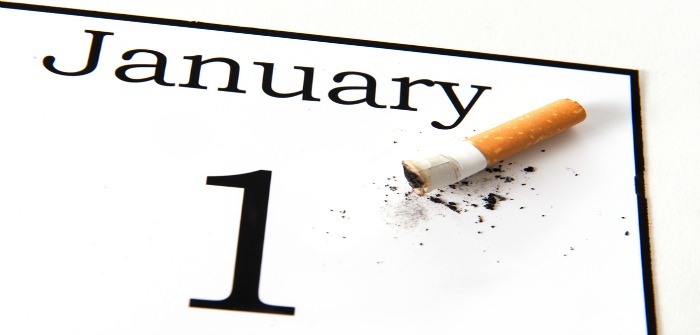
Nicotine withdrawal is an unfortunate side effect to quitting smoking, but this should not put you off making such a healthy lifestyle choice. Simple habits to replace smoking, such as having cups of caffeine-free herbal tea (smokers have a higher tolerance to caffeine, so this should be cut down), taking a warm bath and getting up early will go some way to counteracting the problem.
Broadly speaking, there is no doubt that exercise improves quality of sleep, and vice versa, however, there are certain manners of exercise which are not conducive to it. Intensive exercise done immediately before bedtime can be detrimental. It is much better to give yourself a cooling off period, or revert to less energetic activities such as yoga, directly before going to bed.