
What is Bedtime Stacking? The Trend Sleep Experts Want You to Rethink
6 Min Read |
Last Modified 11 August 2026 First Added 27 April 2026

You’ve pulled the duvet up. A book sits open on one side, a journal on the other. Hand cream, a plate of snacks, a half-drunk cup of tea, the remote, maybe the iPad too. Everything you could possibly need for the next two hours, all within arm’s reach. Congratulations. You’ve just built a bedtime stack.
This cosy, curated wind-down has taken over TikTok, with Gen Z turning the humble evening routine into a content-worthy ritual. Sleep experts are starting to weigh in, with a mix of approval and concern. Here’s what’s going on, and how to give the trend a go without paying for it at 3 am.
Sweden-based content creator Linnéa Pham is widely credited with giving the trend a name. In a video posted in late January 2026, she described a bedtime stack as climbing into bed early and getting through as much as you can from that one spot. Books, journals, snacks, skincare, a puzzle game, and a magazine. The clip racked up tens of thousands of likes within days and set off a wave of “I do this and didn’t know it had a name” comments.
Click to load TikTok video
The idea borrows from habit stacking, a well-known productivity concept that pairs a new behaviour with an existing one to help it stick. Bedtime stacking takes that same logic and applies it to the hour before sleep, layering reading, skincare, journaling, snacks and a bit of telly into one contained ritual.
In a Newsweek feature on the trend, Pham described her version as bed rotting’s more intentional older sister. The idea is that while mindless scrolling can leave you feeling like you’ve frittered away the evening, stacking at least keeps your mind actively engaged.
Here’s the funny thing. While the bedtime stack is having its TikTok moment, our 2026 Sleep Survey suggests the British public already lives in bed before we sleep in it. Only 10% of us do nothing in bed before dropping off. The rest of us are stacking away, whether we knew it had a name or not.
The nation’s most common pre-sleep activities read like a bedtime stack in their own right:
For some of us, the bed really is the home office, the cinema and the canteen.
For Gen Z, the numbers climb. Of 18 to 24-year-olds in our survey, 51% watch short-form video in bed (more than double the national average), 40% watch TV, 36% scroll social media, and 32% text or phone someone. Just 1.4% of them do nothing in bed before sleep. If you’re in that age group, odds are you’re bedtime stacking tonight, whether or not the app told you to.
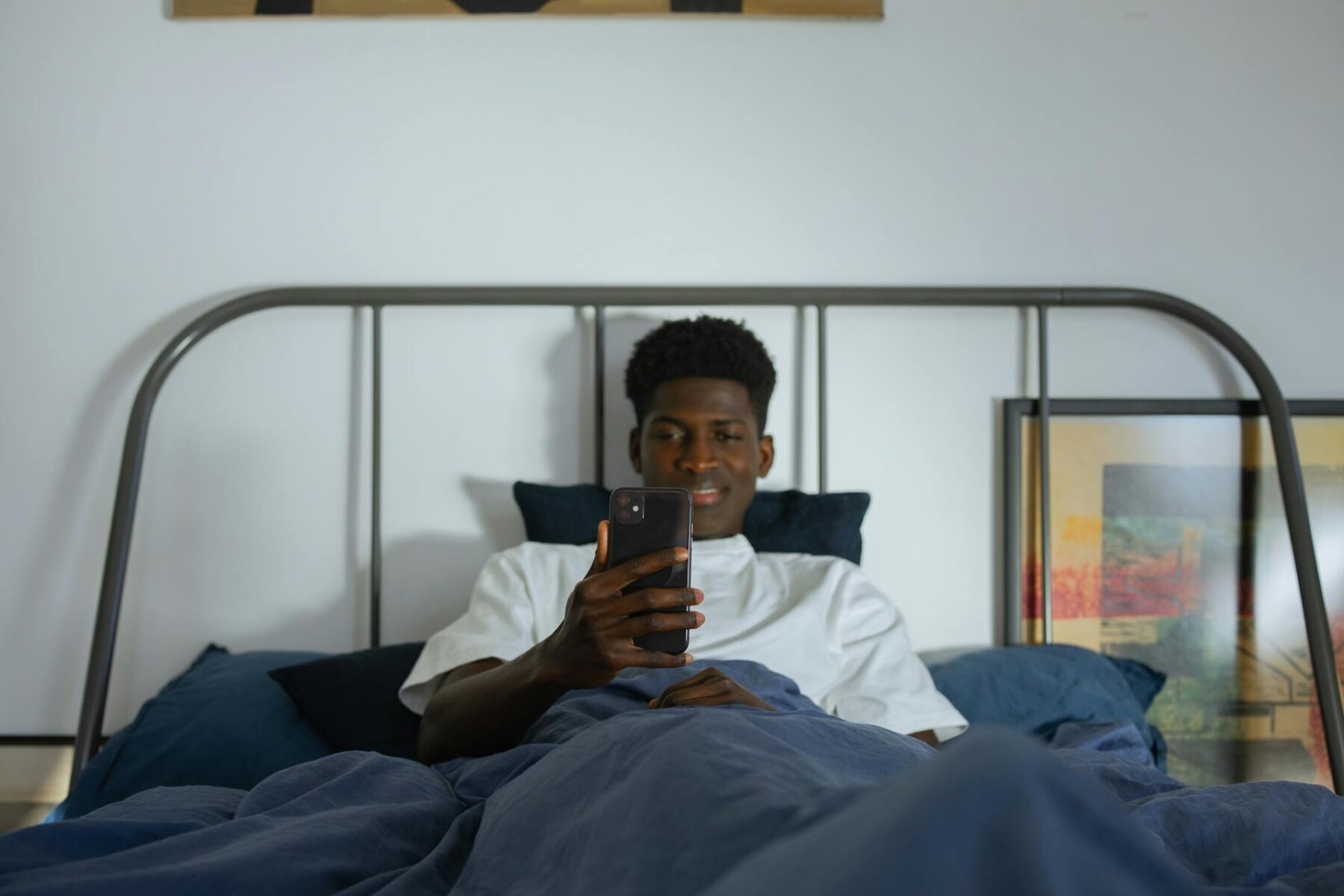
The stacking itself isn’t the problem. It’s what all that activity quietly teaches your brain to expect.
The concern is a principle called stimulus control, drawn from Cognitive Behavioural Therapy for Insomnia (CBT-I). UK healthcare charity Nuffield Health sums it up neatly: the bed should be reserved for sleep and intimacy only, because the more things you do in bed (reading, eating, working, using your phone, watching TV), the weaker the connection between your bed and sleep becomes. The Guardian reached the same conclusion when it looked at bedtime stacking, with sleep specialists warning stackers to keep the bed for rest.
We asked our Sleep Expert, Sammy Margo, for her take, and her view is pleasingly practical. On the bedroom-as-everything problem, she doesn’t mince words:
“The bedroom should primarily serve as a sanctuary for rest. When you work in bed, the brain might associate the space with heightened alertness, hindering your ability to relax and fall asleep. Reserve the bedroom for sleep and intimacy to help maintain a strong mental association between the bed and restful slumber.” Sammy Margo, Dreams’ Sleep Expert
Her advice on what to actually do before bed is gentle rather than preachy: “I’d recommend engaging in calming activities before bed, such as reading or taking a bath. Ensure you’ve been mindful of the food and drink you’re consuming before bed, i.e. avoiding large meals and caffeine.”
And if you’re going to quietly remove one thing from your stack tonight, she suggests it should be the phone: “Before bed, it’s best that we try and reduce our screentime, as this allows us to begin to wind down, so put your phone down and as far out of reach as possible (ideally in another room).”

The trend isn’t a write-off. Done thoughtfully, a bedtime stack looks a lot like a proper bedtime routine. A few gentle edits are all it takes to keep the cosiness and lose the 3 am wake-ups:
Like any TikTok trend, bedtime stacking is part fun, part aesthetic, and part new language for something many of us were already doing. Choose the activities that help you slow down, put the screens somewhere else, and treat your bed like the brilliant piece of kit it is.