
How Mental Health Impacts Sleep and Ways to Cope
6 Min Read |
Last Modified 8 April 2026 First Added 8 April 2026
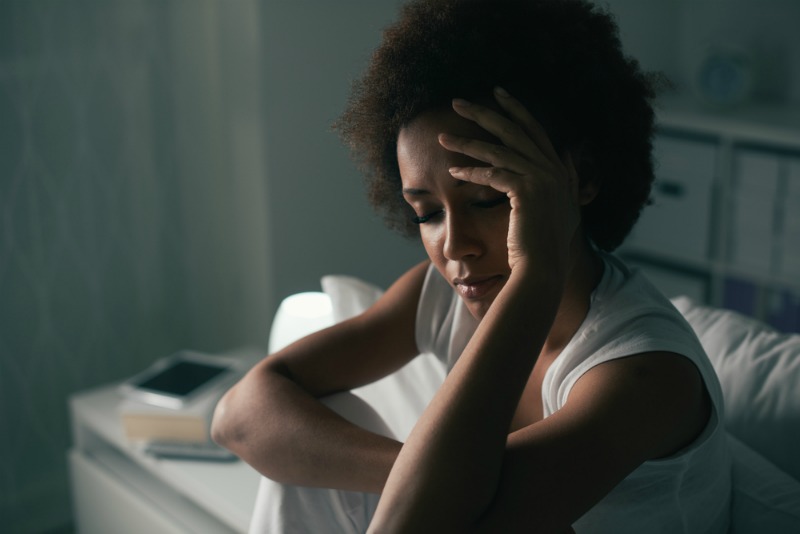
Many of us have felt the connection between sleep and mental health, even if we didn’t know it. You may have slept poorly and woken up feeling tired, irritable or low. The reverse is also true, as it’s common to experience trouble sleeping when our mental health has been difficult.
There are many ways sleep and mental health are connected. Understanding how doesn’t solve everything, but it can give you a place to start. It might help you narrow down what self-care tips could be useful or help you talk to health professionals about what you’re experiencing.
In this practical guide, Mind, the mental health charity for England and Wales, share their expert advice on the ways some mental health problems can affect your sleep. Experiencing these issues with your sleep doesn’t always mean you have a mental health problem. We all find these things tricky from time to time. But if they happen a lot and are having a big impact on your life, you may want to explore whether mental health, or other health issues, could be a factor.
Lots of mental health problems and symptoms can make it hard to get enough sleep. Experiences like anxiety, post-traumatic stress disorder (PTSD), psychosis and obsessive compulsive disorder (OCD) might make it difficult to fall asleep because of how they impact your thoughts. Or you might wake up a lot in the night because of them.
If you experience mania or hypomania, this can make it hard to get to sleep. This might be because you feel very alert and energetic. You might sleep very little over days or weeks, some nights you might not sleep at all.
Too much sleep can also be caused by difficulties with our mental health. Sleeping a lot might sound good, particularly if you normally don’t get enough sleep. But often, if you’re experiencing a mental health problem that makes you sleep a lot, you can still feel very tired and drained when you wake, no matter how much sleep you get.
Experiencing depression can drain energy and make you feel very tired. This might mean you sleep a lot or find it hard to get out of bed. You may find you need to nap during the day. This might also be impacted by mental health medication, which can sometimes cause drowsiness and lack of energy.
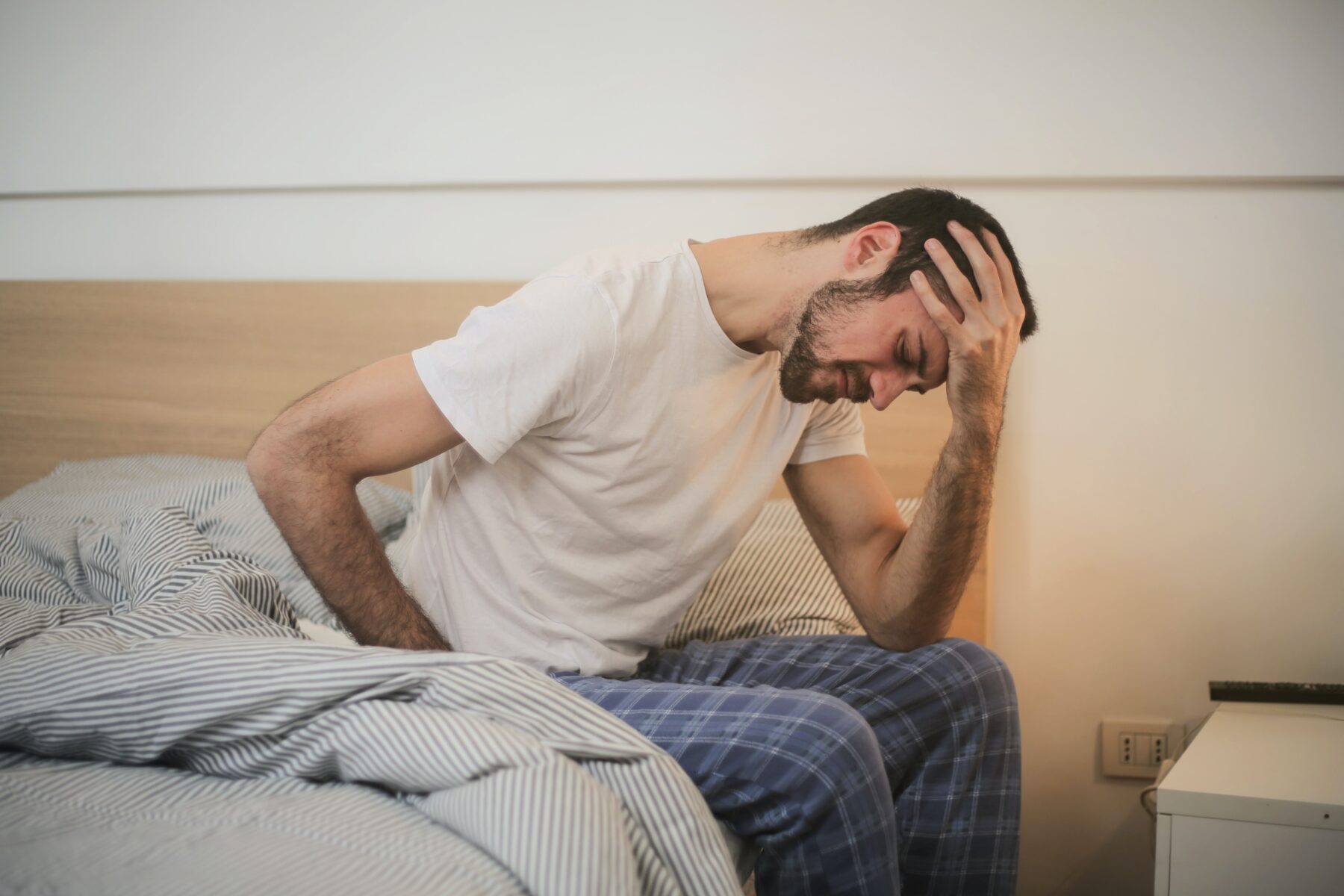
Our mental health can disrupt our sleep too. If you have anxiety or OCD, you might have nightmares about things that worry you. Experiencing PTSD could involve nightmares about traumatic memories that leave you very distressed. You might even be worried about going to sleep because of what happens in your dreams.
In some cases, things like PTSD can also cause sleep paralysis. This is when you become stuck in between being awake and asleep. You can normally see things around you, but you won’t be able to move. Sleep paralysis is harmless, but it can be really scary whilst you’re experiencing it.
Even if you sleep through the night without waking, these disruptions can stop you from getting enough deep sleep, which can still make you very tired.
Mental health problems can also impact your sleep schedules and sleep hygiene. A sleep schedule is the time we normally go to bed and wake up. Sleep hygiene are the things we do around our sleep to help us prepare for bed.
When experiencing a mental health problem, these things might be very difficult or completely out of your control. For example, if you experience mania or psychosis, you might stay awake for long periods of time, sleep very little, and find it hard to stick to a routine. Or you might need to drink caffeine to keep yourself awake because your mental health means you aren’t getting enough sleep.
Other parts of your life might also make routines and sleep hygiene hard, like sharing a bed with someone else, having children or working in shifts. These things can also impact your mental health.
While sleep routines and hygiene might seem simple, they can be very hard for us to manage when our wellbeing isn’t at its best.
If these experiences sound familiar to you, there are things you can try that could help.
We know it can be overwhelming to find helpful information when you’re experiencing mental health issues. To help, we’ve chosen some tips from Mind’s sleep information. You could even start to explore these tonight.
You might be having a hard time trying to figure out what is affecting your sleep or what makes it better. A sleep diary can help you work this out. It involves writing down what time you went to bed and woke up, how well you slept, and what you did during the day. Over time, this can help you see connections in what might be making your sleep better or worse.

It can be easier to sleep if you feel relaxed. This can help your mental health as well. There are lots of ways to practise relaxation during the day. This can include activities like spending time in nature or doing something creative. It can also include exercises, like deep breathing or mediation. Mind has some tips on relaxation that might be helpful.
If you’ve tried a lot of different things and you’ve been struggling for a while, you may want to consider seeing a health professional, like a GP. They can talk to you about what you’re experiencing and suggest next steps. Mind’s information on how to get help from your GP for mental health might be useful.
It might not happen overnight, but it’s possible to have good sleep again.