Your Guide to Perfect Sleep Hygiene
9 Min Read |
With contributions from Rosie Weatherley (Information Content Manager at Mind)
Last Modified 23 September 2026 First Added 17 February 2025

Sleep hygiene is more than a bedtime ritual. It’s the set of habits and small environmental tweaks that help you sleep deeply and wake up rested. From your evening wind-down to what you get up to in the daytime, the little choices add up.
In our 2026 Sleep Survey of 2,000 UK adults, a quarter rated their sleep over the past month as bad, and after a rough night, more than half said they run on low energy the next day. The good habits below are where better nights start. Here are 15 to try.

 Insight from Rosie Weatherley, Mind
"Sleep and mental health problems can be very closely linked. For example, anxiety and depression can impact how well we sleep, but sleeping poorly can also make anxiety and depression worse. Self-care tips and techniques can make a difference, but if you’re still finding sleep hard you can speak to a GP for more support."
Good sleep hygiene starts with a steady routine. We’re creatures of habit, and our bodies respond best to a regular sleep schedule. Setting a consistent bedtime and wake-up time helps regulate your circadian rhythm, which makes it easier to drop off and wake up feeling rested.
For the best results, keep your timings steady every night, even on weekends. We know Saturday plans can mean a late one or a lazy lie-in, so just do your best to keep things roughly in sync. Want your ideal bed and wake-up time? Try our Sleep Calculator.
It’s easy to let sleep slide behind work, socialising or one more episode. Good sleep hygiene is about getting enough rest, not just keeping to a bedtime. So treat sleep as something you show up for, on time, every time. When you put your rest first, the rest of the day tends to follow.
Naps have their place, but they can throw off a routine you’re trying to build and unsettle your circadian rhythm. If you love a mid-afternoon kip, keep it to the same time and length each day so your body gets used to a biphasic sleep pattern. That way, you get the top-up without it stealing from your night. For more, read our guide to daytime napping.

Creating an evening routine and sticking to it tells your body it’s time to wind down. Repeating the same calming steps each night helps you settle into deeper, less broken sleep. Whether it’s reading, a hot bath or journaling, a soothing ritual eases you from the rush of the day into the quiet of the night.
A pre-bed scroll is tempting, but screens can be very disruptive to sleep. Using them before sleep is linked to poorer sleep quality, greater fatigue, and trouble focusing, thanks to the blue light they emit. It’s a common trap, too. Nearly 3 in 10 of us (29%) scroll social media in bed before sleep, according to our 2026 Sleep Survey, and more than 1 in 10 put a bad night down to too much phone time before bed.
To sleep better, try to put all screens away, phones, laptops and TVs, for at least an hour before bed. That gives your body time to produce melatonin, the hormone that helps you feel relaxed and ready for rest.
Stress can really get in the way of sleep. The stress hormone cortisol makes it harder to drop off, wakes you in the night and lowers the quality of your rest. It’s the single biggest theme in our 2026 Sleep Survey, where a racing or busy mind (37%) and stress (28%) were the top two reasons people had a broken night.
So if you feel wound up in the evenings, that could be what’s behind your sleep troubles. Building relaxation techniques into your wind-down can help, whether that’s meditation, mindfulness or anything that helps you feel calm before bed.
Insight from Rosie Weatherley, Mind
"We can’t always control the things that are making us feel stressed, but making life adjustments where possible can make stress easier to manage. If you find stress is impacting your sleep, finding dedicated time before bed to do something relaxing, creative, or distracting can be helpful, even if you only do it for a few minutes."
There’s nothing worse than lying there wide awake, counting sheep and clock-watching. It’s a common one. Nearly 1 in 5 of us (18%) say simply not feeling tired is a reason for a bad night. Forcing it tends to breed anxiety around sleep, which only keeps you up longer.
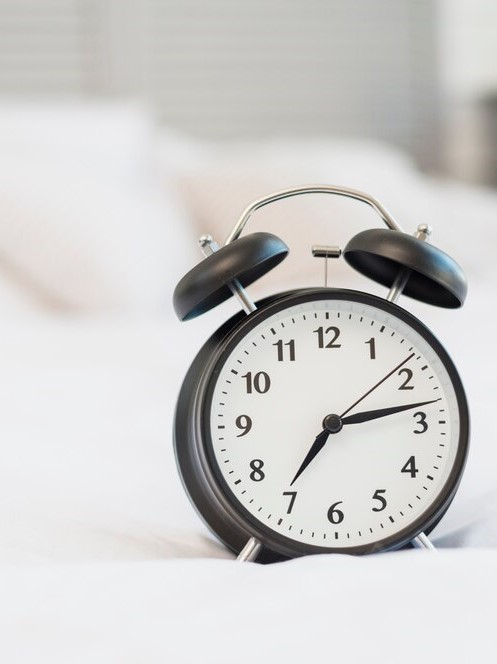
Two things help. First, wait until you actually feel sleepy before heading to bed, and if your bedtime is out of step with your body, shift it gradually by 15 minutes a night rather than forcing it. Second, if you’ve been lying awake for around 20 minutes, get up and do something calming in low light, like reading, then go back when you feel sleepy. It’s also worth turning your clock away so you don’t watch the minutes tick by.

Your surroundings matter, especially if you’re a light sleeper. Keep the room dark, quiet and cool. Being too hot was a reason for broken sleep for nearly a quarter of us in the 2026 Sleep Survey, so if you’re unsure where to set the thermostat, here’s the best temperature for sleep. A few small touches help from there. An eye mask and earplugs block light and noise. A calming essential oil diffuser sets the mood, and white, pink or brown noise can settle a busy room. Fresh sheets help too, and most of us change ours weekly or fortnightly.
A comfortable room only gets you so far if the bed itself isn’t right. We spend about a third of our lives sleeping, so it’s worth getting this bit sorted. Struggling to get comfortable was a reason for disturbed sleep for more than 1 in 5 people in our 2026 Sleep Survey, so make sure your mattress feels supportive for your sleep position.
Not sure what suits you? Our mattress finder can help. Think about your bedding, too. Pick a pillow that supports your head and neck, a duvet that keeps you warm without overheating, and light, breathable pyjamas that help regulate your temperature through the night.

Natural daylight, especially in the morning, does wonders for your sleep and your mood. Even a short walk outside helps regulate your circadian rhythm and supports melatonin production in the evening, which makes it easier to drop off later. Daylight is also linked to better mental health, helping to ease stress and lift a low mood, both of which can disturb your sleep.
Good sleep doesn’t start at bedtime. What you do in the day shapes your night, too. Aim for regular exercise and go easy on habits like smoking, which can disrupt sleep quality and lead to problems like insomnia. One thing to watch is timing. A hard workout within 3 hours of bed can leave you too wired to sleep, so save the intense sessions for earlier in the day and keep evenings gentle, with a stretch or some yoga.
You can’t always keep a rigid daytime routine, but some consistency keeps body and mind in sync. And after a rough night, resist the urge to write off the day. Sticking to your usual routine helps you feel more energised and sets you up for a better night ahead. Here’s how to build a healthy morning routine.

For better sleep hygiene, try to avoid caffeine after midday and steer clear of alcohol before bed. Caffeine stimulates the nervous system and blocks sleep-promoting signals, and its effects can linger for hours. Alcohol might feel relaxing, but it interrupts your sleep cycle and lowers both the quality and quantity of rest. For a kinder alternative, here are the best drinks to help you wind down.
Alongside watching what you drink, try to eat at least two to three hours before bed so your food has time to digest before you lie down. This helps head off indigestion and lets your body settle into rest. In our 2026 Sleep Survey, almost 1 in 10 people blamed eating too late for a broken night. If you do get peckish, here are some late-night snacks that won’t keep you up.
Try to keep your bed for sleep and intimacy only. It helps your brain link the space with rest, so you unwind more easily when your head hits the pillow. Working, watching TV and scrolling in bed blur that line, and plenty of us do it, with more than a third of people in our 2026 Sleep Survey watching TV in bed before sleep. Shifting those habits out of the bedroom draws a clearer boundary between being awake and being asleep.
If your sleep struggles stick around, try keeping a sleep diary. Jot down how well you slept and any changes to your routine, so you can spot what helps and what doesn’t. Keep it to a couple of weeks so you’re not watching the clock every night. If you still can’t pin down the cause, it’s worth speaking to your doctor to rule out any underlying health issues.
Sleep hygiene is the habits, practices and surroundings that support a good night’s rest. It’s about creating a space that’s set up for sleep and keeping to routines that encourage deep, restorative slumber. Everything from your pre-bed rituals to your daytime activities feeds into how well you sleep.
Sleep hygiene matters because sleep matters. Good habits make a real difference to both the quality and the length of your sleep, which your mind and body rely on. Poor sleep affects how you feel and function day to day, impacting your work and relationships, and over time it’s linked to more serious problems like diabetes, and heart disease.
Better sleep hygiene can also help with issues like insomnia. It’s often a more effective long-term fix than sleeping pills, which can offer short-term relief but carry a risk of dependency with long-term use. Pairing healthy habits with approaches like cognitive behavioural therapy (CBT) tends to be a more sustainable route to good sleep.
Good sleep hygiene is a routine and environment that work together to help you sleep well. Everyone’s ideal setup looks a little different, but it usually means keeping a regular schedule, building healthy habits and treating sleep as a priority. The 15 tips above are a solid place to start.
If you’re regularly waking up tired, struggling to drop off, dealing with broken nights or running on an erratic routine, your sleep hygiene might need attention. When you’re sleeping badly, and there’s no obvious cause, habits and environment are often the culprit. The good news is that they’re some of the easiest things to change.
Small tweaks to your daily habits and bedtime routine can make a real difference to your sleep, and to how you feel the next day. Pick a couple of these to start with, see what sticks, and build from there. Your future, better-rested self will thank you for it. For more ways to sleep soundly, have a browse of our Sleep Matters Club.