
The 7:1 Sleep Rule: Is the Secret to Longevity Better Zzzs?
8 Min Read |
Last Modified 30 July 2026 First Added 16 February 2026
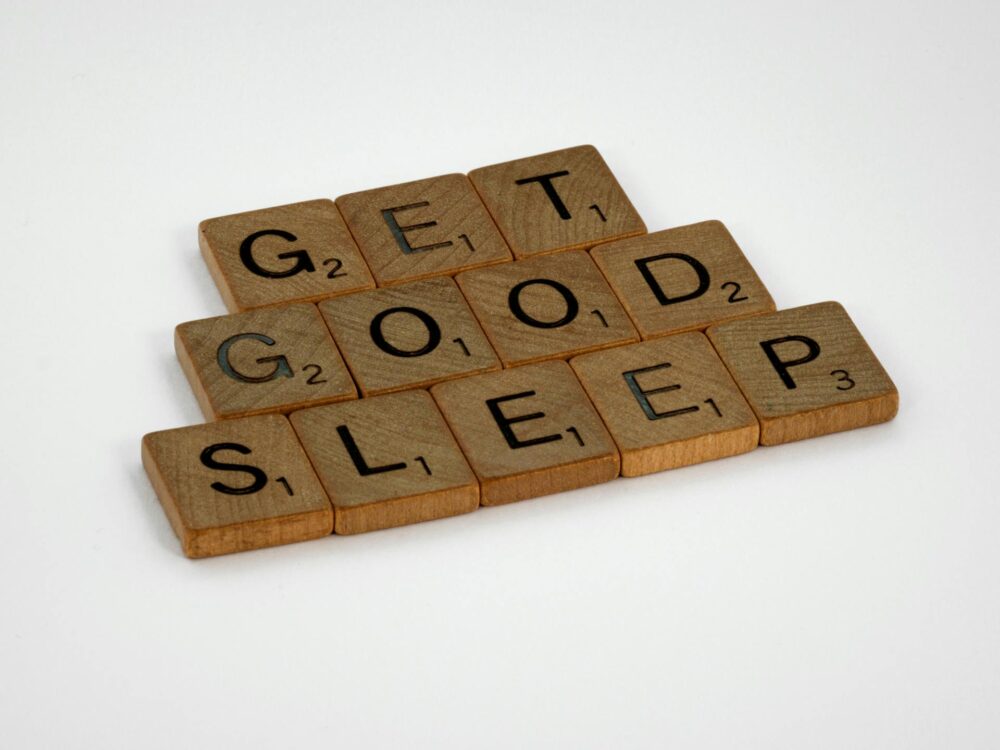
You’ve probably seen it on your feed by now. The ‘7:1 sleep rule’ is having a moment. And unlike most wellness trends that come and go faster than you can say ‘sleepy girl mocktail’, this one has some seriously weighty science behind it.
A major study from Vitality and The London School of Economics and Political Science (LSE) tracked over 47 million nights of sleep. Yes, million. The findings? Getting seven hours of kip at roughly the same time each night could reduce your risk of early death by 24% and add up to four years to your life.
Here’s what the rule actually means, what the science says, and how to make it work around real life.
It’s beautifully simple. The ‘7’ stands for seven hours of sleep per night. The ‘1’ stands for falling asleep within a one-hour window of your usual bedtime. Aim to hit both targets at least five nights a week. That’s it. No expensive gadgets required. No complicated routine. Just consistency and enough hours between the sheets.
The idea comes directly from the Vitality research, which is built on one of the largest private-sector sleep datasets in the world. The data links real-world sleep patterns from wearable devices to health outcomes and insurance claims across thousands of people. So when they say seven hours and a regular bedtime make a difference, they’re not guessing.
Dr Nighat Arif explained on Instagram: “Just one habit, getting seven hours of sleep at roughly the same time each night, could cut your risk of early death by nearly a quarter and add up to four years to your life.” Four extra years. That’s a lot of Sunday mornings, holidays and lie-ins with a brew.
View this post on Instagram
Dr Katie Tryon, Deputy CEO of Vitality Health, put it plainly: “For most people, the problem isn’t pathology, but routine.” In other words, most of us don’t have a sleep disorder. We just have chaotic bedtimes.
The Vitality/LSE study is one of the biggest of its kind. Drawing on sleep data from 105,000 individuals and over 47 million recorded nights, the researchers used a causal machine-learning framework to examine how sleep duration, regularity and quality affect long-term health. The results are hard to argue with.
People who followed the 7:1 pattern saw a 24% reduction in mortality risk and up to a 7% reduction in hospital admissions. Those sleeping fewer than six hours a night had a 20% higher risk of shorter life expectancy than those getting seven to eight hours. And here in the UK, a quarter of adults are only managing six hours a night.
90% of people don’t meet optimal sleep patterns
Improving habits for just 1 in 4 poor sleepers could save the NHS £1.35 billion a year. (Vitality/LSE, 2026)
The ripple effects go beyond just living longer, too. The study found that short or fragmented sleep doubles the risk of developing depression and leaves people more irritable, anxious and less able to manage their emotions. Sound familiar after a bad night’s kip? There’s your science.
Sleep-deprived workers lose the equivalent of six working days a year through reduced productivity. And people who sleep fewer than seven hours are nearly three times more likely to catch a cold after being exposed to a virus. So all those times you blamed the office for your sniffle? Your bedtime might have had more to do with it.
1 in 4 UK adults only get 6 hours a night
A quarter of us aren’t hitting the target. (Vitality/LSE, 2026)
Great sleep is not just about clocking seven hours. The regularity of when you sleep matters just as much.
Your body runs on a circadian rhythm, an internal clock that governs everything from hormone release to body temperature. When your bedtime bounces around by two or three hours each night, that clock gets thrown off. The result? Poorer quality sleep, even when you’re technically in bed for long enough.
The Vitality data backs this up. Consistency of sleep onset was a strong independent predictor of health outcomes, even after controlling for total hours slept. Dr Tryon noted that people tend to focus on duration alone: “I think people have been so focused on getting seven, eight hours of sleep per night” without realising that a regular bedtime is just as important.
If you’re already wondering whether your body clock could do with a tune-up, our guide on how to reset your body clock is a good place to start.
We get it. Life doesn’t always cooperate with a neat bedtime. The baby’s teething, you’re binge-watching something you should have stopped three episodes ago, or you’ve fallen into a revenge bedtime procrastination spiral. It happens.
The good news is that the 7:1 rule doesn’t demand perfection. You’re aiming for five nights out of seven, which leaves room for the odd late Friday or the occasional can’t-sleep Sunday. Here are a few things that can help:
Pick your bedtime and work backwards
If you need to be up at 6:30 am, a bedtime of around 11 pm gives you a 7.5-hour window (allowing for falling asleep). Use our Sleep Cycle Calculator to find the sweet spot for your wake-up time. Then protect that bedtime like it’s the last biscuit in the tin.
Create a wind-down cue
Dr Tryon suggests a calming evening routine to signal to your brain that sleep is coming. That could be a warm bath, a chapter of your book, or simply dimming the lights 30 minutes before bed. Nothing fancy, just consistent.
Watch your caffeine cut-off
Caffeine has a half-life of about five to six hours, which means that 4 pm latte might still be buzzing through your system at 10 pm. If you’re struggling to drift off at a regular time, check out our guide on caffeine and sleep for practical swaps and timing tips.
Keep weekends within range
A weekend lie-in feels earned, but if your Friday bedtime drifts by three hours, your body clock takes days to catch up. Try to stay within that one-hour window, even on Saturdays. You can still enjoy a guilt-free lie-in if you plan it right.
Try the 10-3-2-1-0 method
If you want a more structured approach to winding down, the 10-3-2-1-0 sleep method gives you timed prompts throughout the day to help your body prepare for a consistent lights-out.
What makes this research feel different is the framing. For years, sleep advice has centred on ‘getting more’, as though it’s a nice-to-have rather than a health essential. The Vitality study puts sleep firmly alongside exercise and diet as something we can track, improve and genuinely benefit from.
Professor Joan Costa-i-Font from LSE said it well: “The research makes it clear that better sleep behaviours aren’t just about feeling rested, they’re fundamental to long-term health and wellbeing.”
The American Heart Association has already added sleep to its ‘Life’s Essential 8’ list of core health behaviours. And a separate study from Oregon Health & Science University found that sleep stood out more than diet, more than exercise, and more than loneliness as a behavioural driver for life expectancy. The only factor that ranked higher was smoking.
If you’re curious about what happens to your body during a full night’s rest, our deep dives on REM sleep and deep sleep break it all down.
31% lower mortality risk from a consistent bedtime alone
Falling asleep within a one-hour window lowers mortality risk by an estimated 31% and hospital admissions by 9%. (Vitality/LSE, 2026)
The 7:1 rule is the kind of health advice that actually feels doable. You don’t need a gym membership, a meal plan or a new wardrobe. You need a bedtime, a bit of consistency and a comfortable place to sleep (we might know a thing or two about that last part).
Tonight, pick your time. Set a gentle alarm 30 minutes before to start winding down. Do it again tomorrow night, and the night after that. Five nights out of seven is the target, and every consistent night is a step in the right direction.