
What’s the Best Humidity Level for Sleeping?
4 Min Read |
Last Modified 30 July 2026 First Added 23 November 2023
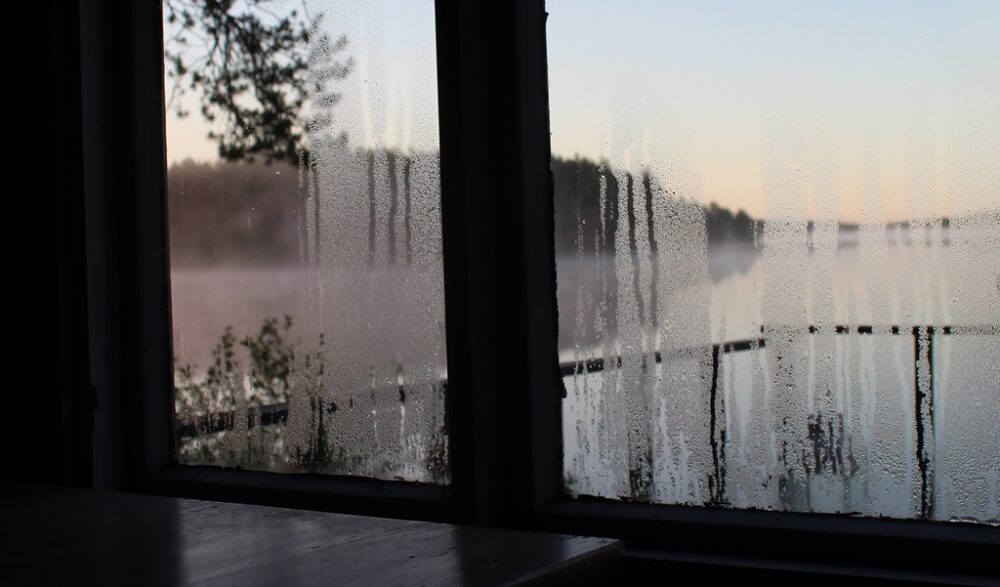
Finding the right bedroom humidity level can make a remarkable difference to your sleep quality, comfort, and overall well-being. The ideal range for sleeping is between 40% and 60%, as this helps prevent dry-air discomfort while also avoiding the damp conditions that encourage mould, mildew, and dust mites.
During winter, when condensation is more common due to the cold, aiming for a slightly lower humidity level, around 30-50%, can help keep things fresh. With the UK’s naturally damp seasons, striking the right balance makes all the difference in how well you sleep.
Humidity plays a key role in your body’s temperature regulation during sleep, helping you move smoothly through REM and deep sleep stages. When humidity is too high, the air feels heavy and sticky, making it harder for your body to cool down and for you to stay asleep. This can lead to more nighttime awakenings and shorter periods of restorative sleep.
Too little humidity, however, can dry out your skin and airways, making breathing less comfortable and disrupting your natural sleep rhythm.
The 40-60% range supports your body’s natural processes by keeping your airways comfortably moist without creating excess dampness. Certain studies show that humidity above 70-75% reduces REM sleep and increases wakefulness, making rest lighter and less restorative.
Meanwhile, humidity that’s too low increases airborne particles and irritates nasal passages, which can lead to morning dryness and disrupted breathing. According to a different study, this is due to the presence of more particles in the air, although other factors are also at play.
Maintaining this ideal range offers several benefits:
Staying within the mid-range is important to help regulate temperature, reduce allergen survival, and create a more stable environment for quality sleep.

A humid bedroom often feels muggy, with damp air, condensation on windows, and a noticeable musty smell. You may also spot mould patches, experience allergy flare-ups, or feel warm and restless in bed.
A dry bedroom, on the other hand, brings signs such as tight or itchy skin, dry eyes, nosebleeds, or a scratchy throat. Increased static electricity and waking up thirsty are also common indicators.
How can we ensure that our bedrooms are conducive to a good night’s sleep? Well, this depends on the current humidity of your room. Here are some quick tips:
Neither extreme is ideal. Air that’s too dry can irritate the nasal passages, dry out the skin, and increase airborne particles, while overly humid air can feel heavy, encourage mould growth, and disrupt sleep.
The best sleep occurs when humidity is maintained in the 40-60% range, keeping your airways comfortably moist without creating excess dampness.
Yes. Humidity at 70% or above can make your bedroom feel sticky and uncomfortable, interfere with REM sleep, and increase wakefulness. High moisture levels also encourage mould, mildew, and dust mites, which can worsen allergies and respiratory issues, particularly during cooler months when ventilation may be limited.
Babies are especially sensitive to dry or damp air. The ideal range for infant rooms is also 40-60%, which helps keep their delicate airways moist, reduces congestion, and prevents dry skin. Maintaining this range can also minimise the risk of disrupted sleep and respiratory discomfort.
In winter, aim for a humidity level of 30-50%. Cold outdoor air holds less moisture, and indoor heating can dry out the air, leading to irritation in the nose and throat. At the same time, humidity that’s too high can lead to condensation on windows and walls, which encourages mould growth. Maintaining a mid-range humidity level strikes a balance between comfort, safety, and sleep quality.
Keeping your bedroom humidity in the 40-60% range, and slightly lower in the winter, is key to better sleep. It keeps airways comfortable, prevents dryness or dampness, and creates a calm, healthy environment for rest. For more strategies and practical tips, see our guide on ways to sleep better at night.