
Sleep Etiquette: How to Be a Good House Guest or Host
6 Min Read |
Last Modified 30 July 2026 First Added 28 September 2015

Sleep etiquette is about helping everyone feel comfortable, respected and well-rested when staying in someone else’s home, whether you’re hosting or visiting. That means preparing a clean, welcoming sleep space, communicating clearly, respecting privacy and routines, and being considerate about noise and shared areas. Get it right, and guests wake up refreshed while hosts avoid stress and broken sleep.
Sleep etiquette covers the unspoken rules that make overnight stays comfortable for everyone, from practical details like bedding and bathroom queues to the trickier stuff like noise levels and knowing when to give your host some space.
We asked 2,000 British homeowners about their experiences as hosts and guests in our Sleep Etiquette Survey, and the results were telling: half of UK house guests feel their hosts fall short during overnight stays. Even more surprising? 88% of 18–24 year olds and nearly half of over-55s have felt let down by a host.
Getting the little things right helps everyone sleep better and leaves visitors feeling relaxed rather than drained.
For more on bedroom etiquette, here’s our podcast so you can be the best host or guest possible:
Your main job as a host is to create a space that feels clean, calm and easy to use. Yet 40% of hosts admit they don’t clean their home before guests arrive, and the same number don’t change the bed sheets. Two small things that make a big difference to comfort and hygiene.
Fresh bedding, spare towels and a clutter-free room show guests you’ve actually thought about their stay. Sharing practical details like bathroom arrangements and breakfast plans also removes awkward guesswork.
If your spare room needs a refresh, our guide to guest bedroom ideas can help you create a cosy, welcoming space, even if you’re short on square footage.

A comfortable guest bed is the foundation of great sleep etiquette. A great bed, paired with a supportive mattress and soft, breathable pillows, helps your guests feel relaxed and at home from the moment they lie down. Our guest bed buying guide can help you select the ideal solution for your space and needs. And, if space is tight, take a look at our 9 best guest beds for small spaces.
Thoughtful extras such as a glass of water, tissues, and a phone charger may seem small, but they can make a big difference to your guest’s comfort overnight.
Food and fragrance sensitivities are often easy to overlook but can have a significant impact on a guest’s comfort and health. Before your guest arrives, ask whether they have any allergies, intolerances or strong dislikes so you can plan meals accordingly. This also applies to pets, scented candles and cleaning products if someone has asthma or sensitivities.
Even if you can’t accommodate everything, discussing it in advance allows guests to make alternative arrangements and avoids awkward or unsafe situations during their stay.

Being a good host means offering toiletries, pain relief tablets, soap and shampoo, plus tea, coffee or light snacks. These touches make guests feel looked after rather than like an inconvenience.
Guests also notice when the basics are missing. 11% say the Wi-Fi password is the most common thing hosts forget to provide, despite most of us spending hours online every day. Leaving a short welcome note with Wi-Fi details, heating instructions, and information on where to find towels and toilet paper can prevent unnecessary questions.
Guests need downtime, even when visiting close friends or family. Let them retreat to their room without feeling awkward and avoid hovering or tidying around them constantly. Be upfront about household routines, such as early mornings, pets, or children, so there are no surprises.
Arguments can also affect how welcome guests feel. Our survey found that 80% of couples argue over sleep habits, most commonly snoring, something best avoided in front of overnight visitors.
Being a good guest is about minimising disruption and showing appreciation. Nearly 30% of people believe guests should never arrive unannounced, so always confirm timings in advance. Keep your belongings tidy, make your bed each morning and confine clutter to your room. Offer to help with cooking or washing up, even if your host declines, and consider bringing a small gift as a thank you for their hospitality.
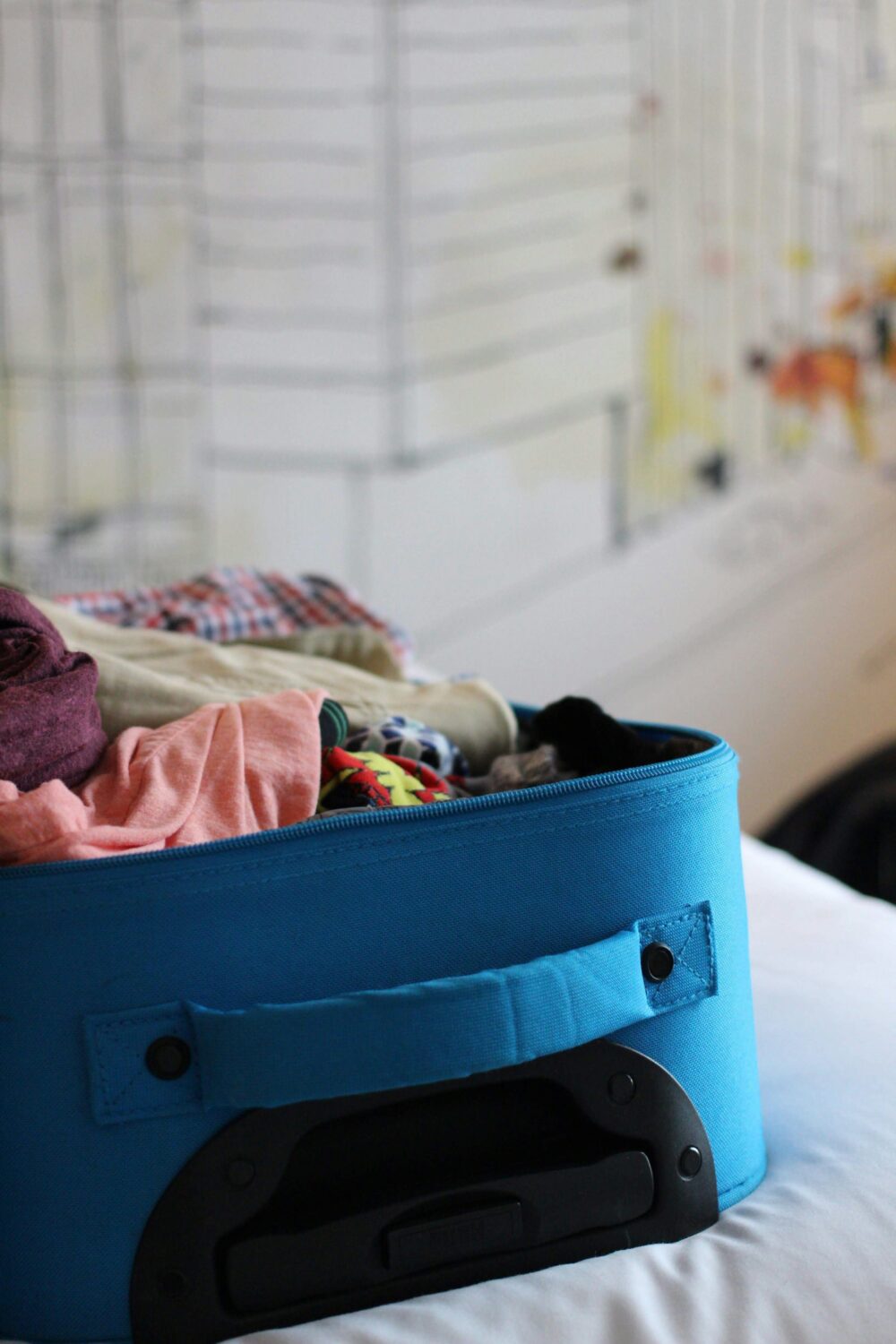
Always be clear about when you plan to arrive and when you’ll leave. Turning up early, staying later than agreed or being vague about departure dates can be stressful for hosts trying to manage work and family routines. Even open-ended invitations are best treated with a clear timeframe.
Stick to the schedule you agreed on, and let your host know if travel delays or changes occur so they aren’t left waiting or worrying.
Let your host know if you’ll be out late, sleeping in, or meeting friends, so they can plan accordingly. Hosts should also gently explain any house rules, such as quiet hours or rooms that are off-limits.
Guests should ask before using appliances, borrowing cars or inviting others over. Clear communication keeps small issues from turning into awkward situations.

Noise is one of the biggest causes of poor sleep. When staying in hotels, 40% of people struggle to sleep due to other guests’ TV or music, and the same applies in homes. Use headphones, close doors quietly, and avoid switching on bright lights in shared areas late at night.
Clean up after yourself. Wash dishes, wipe up any messes, tidy the bathroom after using it, hang towels neatly and avoid leaving clothes or toiletries scattered around. 19% of hosts say a tidy room is one of the most important signs of good guest etiquette.
According to our research, hosts are most irritated when guests:
Avoiding these habits goes a long way towards being remembered fondly.
Confirm arrival and departure times, keep your room tidy, be quiet at night and clean up after yourself in shared spaces. Offering help and bringing a small gift are also good manners.
Respect their routines, keep noise down, limit clutter to your room and communicate your plans. Treat their home with the same care you would expect in your own.
Provide a comfortable bed, clean sheets, toiletries, Wi-Fi details and a warm welcome. Allow guests space to relax and be flexible with plans and schedules.
Avoid providing unclean bedding, ignoring allergies or dietary needs, hovering constantly, or presenting a long list of strict rules. Guests should feel welcome, not monitored.
Sleep etiquette isn’t about being formal; it’s about being considerate. Hosts who provide a clean, comfortable bed and thoughtful essentials show guests they are valued, while guests who are tidy, quiet, and appreciative are far more likely to be welcomed back. Practising good sleep etiquette makes everyone happier and helps everyone enjoy a more restful stay.
Before you go, take a look at our infographic below for more tips on how to be a good host or guest.