When Do The Clocks Go Forward In 2026 & Why?
5 Min Read |
Last Modified 30 July 2026 First Added 18 September 2020
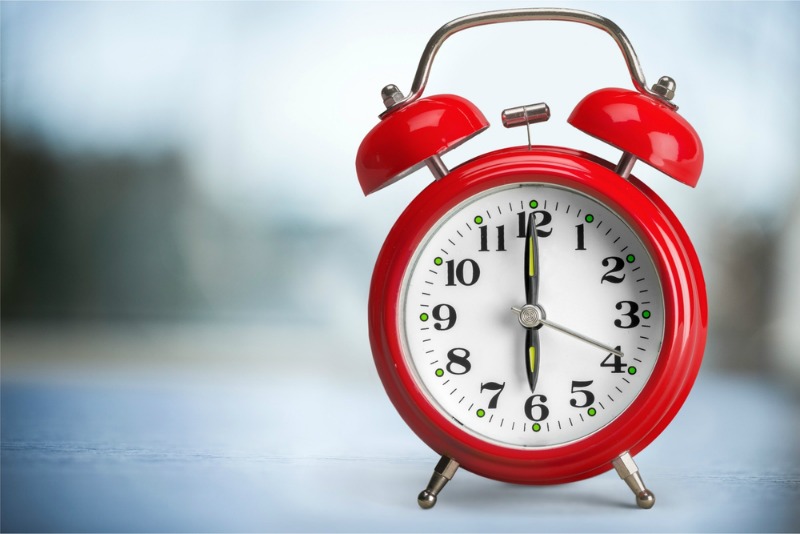
In 2026, the clocks in the UK go forward on Sunday 29 March at 1 am, marking the start of British Summer Time (BST). At that moment, 1:00 am becomes 2:00 am, meaning we lose an hour of sleep but gain lighter evenings. The change always takes place on the last Sunday in March and is intended to make better use of natural daylight. Later in the year, the clocks go back on Sunday 25 October 2026.
When the clocks go forward, the UK shifts from Greenwich Mean Time (GMT) to British Summer Time (BST), effectively moving one hour ahead. This creates brighter evenings and slightly darker mornings, a trade-off that supports longer daylight hours when most people are awake. While the adjustment is small, it can briefly affect sleep patterns and daily routines. Most people notice feeling a little groggy for a day or two as the body clock recalibrates.
The UK changes the clocks to maximise usable daylight during the spring and summer months. The concept was formally introduced with the Summer Time Act of 1916, partly to reduce energy consumption. Longer evenings were believed to support productivity, leisure, and overall wellbeing. Today, the system remains in place largely for lifestyle, economic, and social reasons rather than purely energy savings.
Changing the clocks at 1am minimises disruption to businesses, travel schedules, and everyday activities. Most people are asleep, reducing confusion and logistical complications. Critical services, transport systems, and digital infrastructure can adjust with minimal impact. It’s essentially the least disruptive window for a nationwide time shift.
Most modern devices, including smartphones, laptops, smart TVs, and many cars, update automatically. Internet-connected systems synchronise with time servers, so you usually don’t need to do anything. However, analogue clocks, ovens, and some vehicles may still need manual adjustment. It’s always worth double-checking before Monday morning.
In March, we lose an hour when the clocks go forward, hence the phrase “spring forward”. Yes, the lost hour can sting, and most people may feel a bit tired, but you can adjust and enjoy the lighter evenings. In October, we gain an hour when the clocks go back. A simple way to remember this is: spring forward, fall back.
While losing an hour of sleep rarely sparks celebration, British Summer Time does bring some genuine upsides:
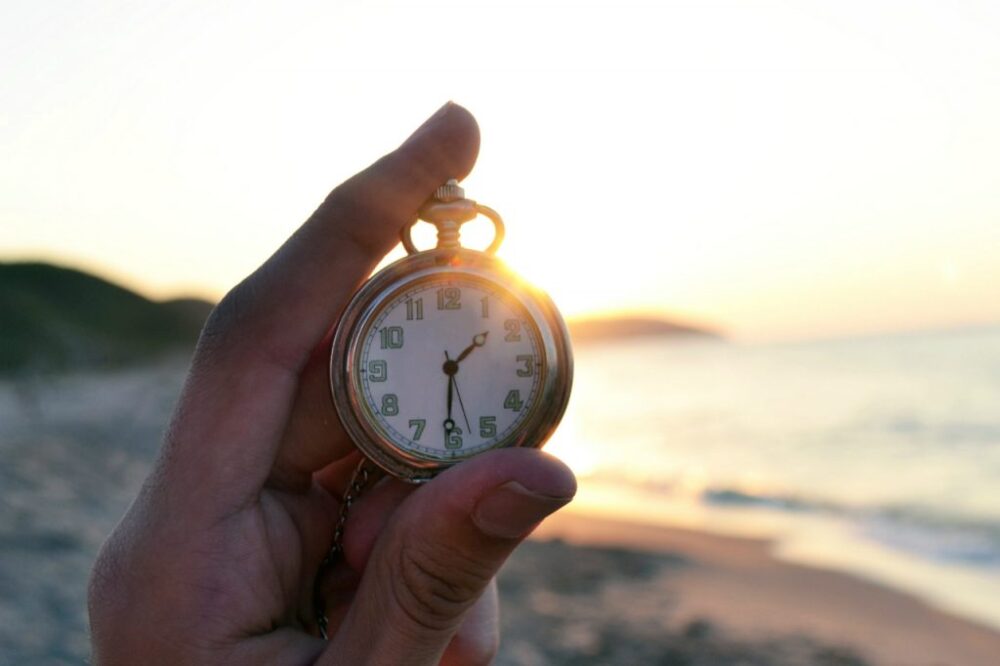
Once BST begins, evenings immediately feel longer and brighter. On 29 March 2026, the sun will set at about 7:28 pm in London, 7:40 pm in Cardiff, and 7:44 pm in Edinburgh. Depending on your location, sunsets after 8 pm will arrive within a few weeks or immediately in some regions.
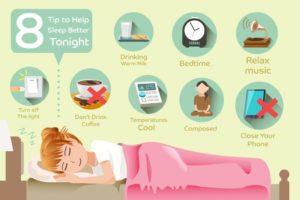
Even though it’s just a one-hour change, losing sleep can leave you feeling groggy for a few days. Here’s how to make the transition smoother:
The debate around daylight saving time surfaces regularly, but there are currently no confirmed plans to abolish clock changes. Discussions typically focus on health, road safety, and economic impacts. Some argue the system is outdated, while others value the lighter evenings. For now, the twice-yearly change remains firmly in place.
If you’ve ever visited Royal Museums Greenwich, you may have noticed certain historic clocks remain on GMT year-round. This preserves historical accuracy, reflecting how time was originally measured before daylight saving. Institutions like Royal Museums Greenwich maintain GMT as part of their heritage and educational role. It’s tradition rather than oversight.
Around 70 countries worldwide use some variation of daylight saving time. Much of Europe and North America participate, although rules vary. Some nations have abandoned the practice entirely, citing limited benefits. The global picture is mixed, which is why international travel occasionally causes timing headaches.
If you’re planning ahead or just want to be prepared, here are the upcoming dates for when the clocks will go forward and back in the UK:
This marks the start of British Summer Time (BST) each year, which gives us longer, lighter evenings, perfect for making the most of the extra daylight.
After the March change, the next shift happens on Sunday 25 October 2026, when the clocks go back one hour. This marks the return to Greenwich Mean Time (GMT) and brings shorter evenings.
So, on the 29th of March 2026 at 1 am, the clocks will go forward, springing the UK into British Summer Time. Yes, we lose an hour of sleep. Yes, it can feel slightly disorientating. But British Summer Time delivers longer, lighter evenings, something most of us welcome after a long winter. A small change on the clock, but a noticeable change in how the days feel.