How to Stop Oversleeping
8 Min Read |
Last Modified 4 August 2026 First Added 12 January 2020
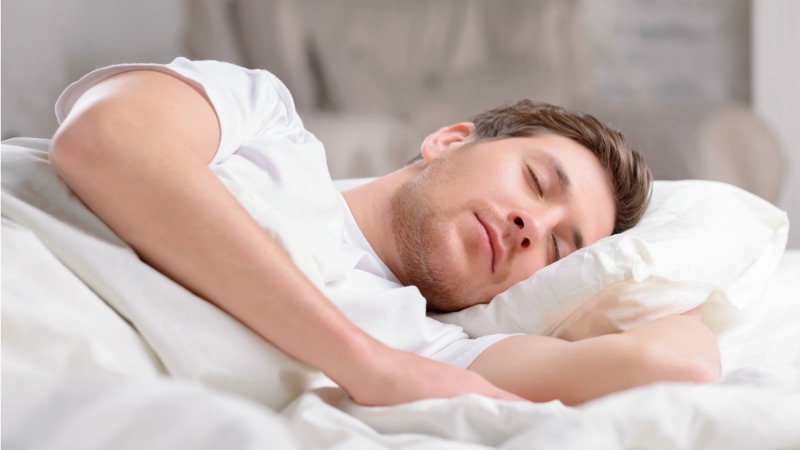
Can’t stop oversleeping? We all have those mornings where we keep snoozing the alarm for an extra ten minutes, especially after a late-night binge-watching Netflix or working with a laptop glowing in our face. If it’s a regular thing, though, it may be less of a lie-in treat and more of a habit worth breaking, or even a sign of an underlying health condition.
The lowdown: Oversleeping usually means regularly sleeping more than nine hours and still waking up tired. The odd long lie-in is nothing to worry about, but a regular pattern often points to something else, so it’s worth looking at what’s driving it. The changes that make the biggest difference:
There’s more detail below on how to stop oversleeping.
Oversleeping is when you regularly sleep longer than you mean to and find it hard to wake up, often still feeling tired afterwards. Getting too much sleep on a regular basis has been linked to a range of health problems, from low mood to a higher risk of heart disease and stroke. It can also leave you groggy and flat for much of the day, even after a nap.
For most adults, sleeping more than nine hours a night on a regular basis is considered oversleeping. Our 2026 Sleep Survey found that around 6% of us sleep nine hours or more. The amount of sleep you need does depend on your age. A joint expert panel recommends seven to nine hours a night for adults, while teenagers and children need more. Newborns can sleep up to 17 hours, and teenagers up to 10. If you’re getting the right amount for your age and still struggle with oversleeping, a sleep disorder such as hypersomnia or sleep apnoea could be behind it.
Getting too much sleep is linked with low mood, headaches and daytime grogginess. Over the longer term, regularly sleeping too much has been associated with a higher risk of heart problems, stroke, type 2 diabetes and weight gain, and some studies have even tied very long sleep to shorter longevity.
It’s worth being clear about what that does and doesn’t mean. Most of this research shows a link rather than proof that extra sleep itself causes harm. In many cases, long sleep is a sign of an underlying health issue rather than the cause of one. So if you’re sleeping a lot and feeling worse for it, the sleep is often the symptom worth investigating, not the villain. If you’re concerned, booking an appointment with your GP is the best place to start.
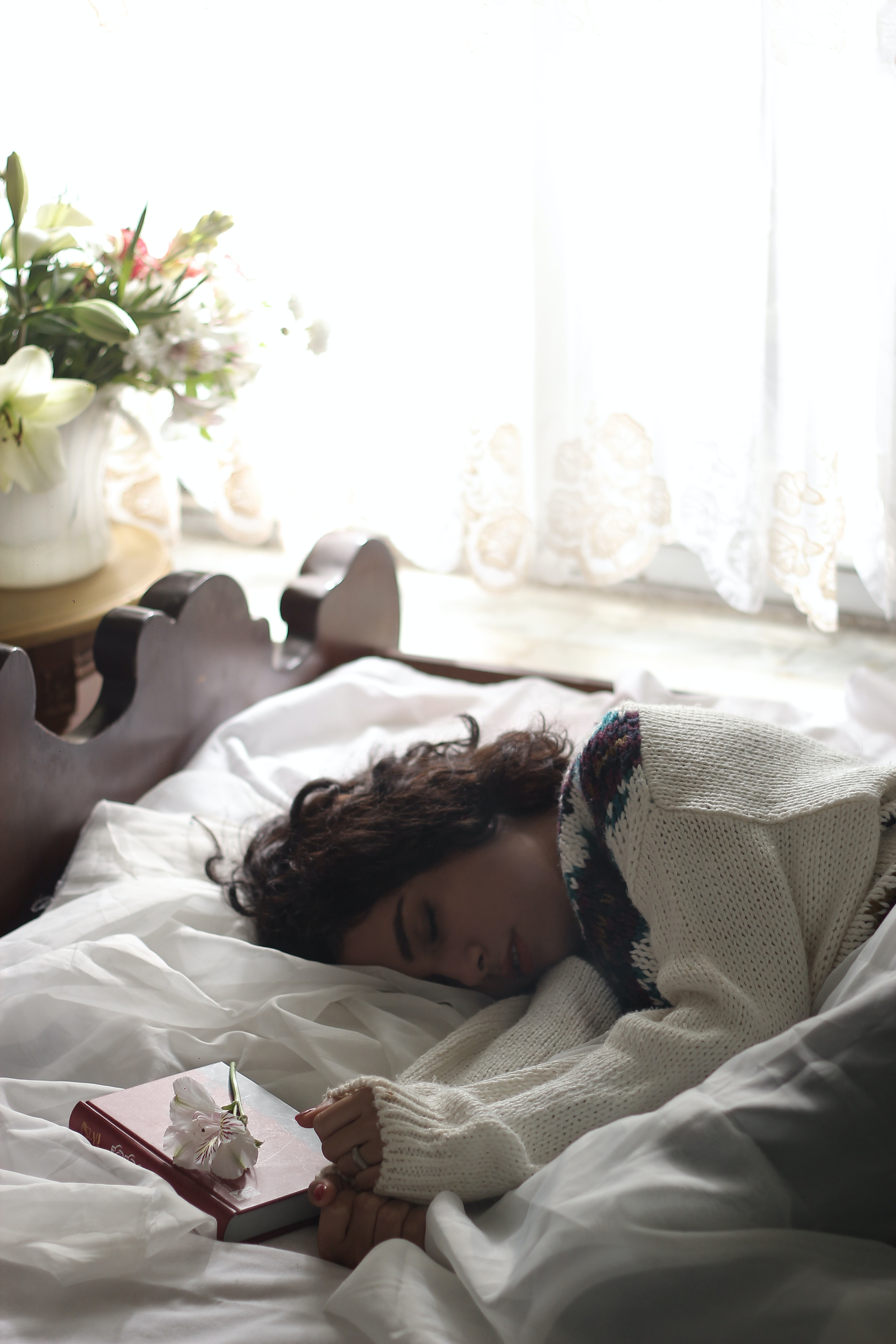
Oversleeping usually isn’t down to laziness. Plenty of things can be behind it, and often it’s a sign that something else needs attention.
You might be catching up after a stretch of short nights, or your sleep might simply be poor quality, so you spend longer in bed without feeling rested. Mental health plays a part too, since depression is closely linked with changes in sleep, including sleeping too much. Some medications and alcohol can have the same effect.
Sometimes the cause is physical. Conditions like anaemia or low levels of vitamin B12 or vitamin D can leave you drained and reaching for more sleep. A doctor can check for these with a simple blood test, which is why it’s worth getting persistent oversleeping looked at rather than assuming it’s normal.
Oversleeping is often tied to a sleep disorder, either as a cause or an effect. Here are a few of the conditions linked with it.
Hypersomnia
Hypersomnia, sometimes called excessive daytime sleepiness, is when you feel very sleepy in the day and may sleep for unusually long stretches at night. The NHS suggests speaking to your GP if you often fall asleep during the day or if sleepiness is affecting your life.
Sleep apnoea
Sleep apnoea causes your breathing to stop and start through the night, which fragments your sleep and leaves you exhausted the next day. Because the nights are so broken, people often sleep longer to compensate. You can read more about the signs of sleep apnoea and how it’s treated.
Narcolepsy
Narcolepsy is a neurological condition that affects how the brain regulates sleep and wakefulness, causing sudden sleepiness and disrupted nights. The NHS recommends seeing a GP if you think you may have it.
Idiopathic hypersomnia
With idiopathic hypersomnia, people sleep long hours and still feel sleepy in the day, with no clear underlying cause. It’s less well known but worth raising with a doctor if long sleep and daytime tiredness are constant.
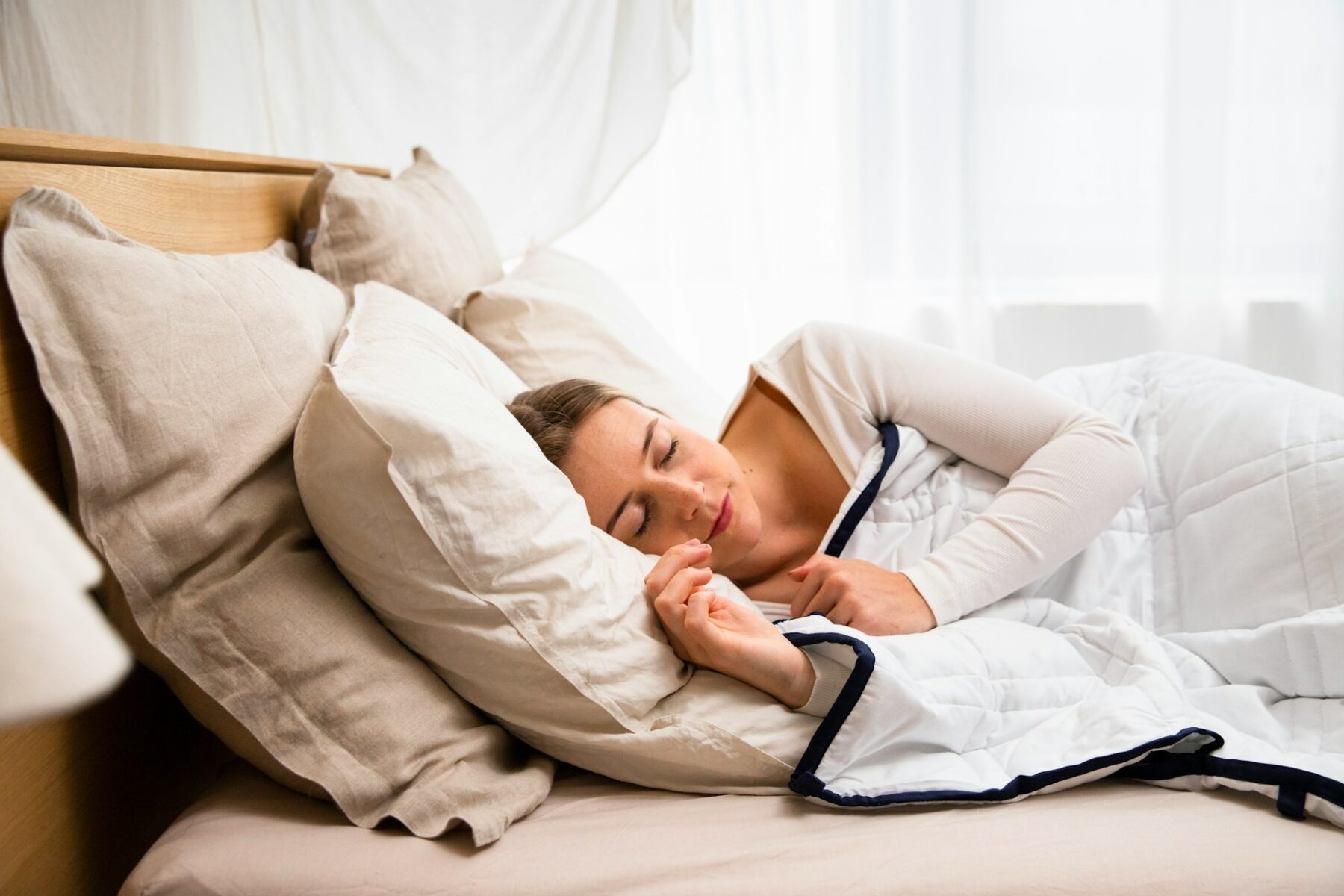
There’s plenty you can try at home. If none of it shifts things, it’s worth getting advice from a medical professional. Here are a few approaches that help:
Rethinking your relationship with the alarm, or going without one, can make a real difference. Waking up naturally rather than being jolted awake is widely seen as the best way to wake up. If you do need an alarm, try one with gradual wake-up sounds, and get out of bed as soon as it goes off so you’re not tempted back under the covers. Putting it on the other side of the room helps.
Waking and sleeping at the same time every day helps your body settle into a steady sleep-wake cycle. It takes a little while to get used to, but it pays off. Plenty of apps and clocks let you set a bedtime reminder alongside a morning alarm, which makes a consistent schedule easier to stick to.
A short nap can be a useful pick-me-up, but long or late-afternoon naps can leave you groggy and eat into your nighttime sleep, which feeds the oversleeping cycle. If you do nap, keep it short and early in the day.
A calm evening wind-down prepares you for better-quality sleep, making waking easier. A few ideas to ease into the night:
You can use our Sleep Cycle Calculator to find an ideal bedtime, so you know when to start winding down. Try the Sleep Cycle Calculator.
Jotting down each night’s sleep helps you spot whether you’re getting enough and what’s affecting it. Note things like noise, your sleeping position and what you ate or drank before bed, and patterns often start to show.
Changing your alarm sound, dropping the snooze, getting up at the same time each day and getting out of bed soon after waking all help in the morning. Through the day, regular exercise, eating earlier in the evening and skipping nightcaps support a healthier night’s sleep. Small, gradual changes tend to stick best.
Reading before bed is fine, but it’s best to put away phones, tablets and e-readers. Blue light from screens can delay the release of sleep-inducing melatonin and ramp up alertness, making it harder to drop off. There’s more on this in our piece on how social media affects sleep.
A room that’s too hot, too cold, too bright or too noisy makes good sleep harder. Keep it cool, quiet and dark to wake up feeling more refreshed. A comfortable, supportive mattress matters too, and if you’re not sure what suits you, Sleepmatch can help you find the right one.
Staying on top of your routine helps, but worrying about it will only keep you up. Bring in changes gradually and give yourself time to adjust. Try not to get frustrated if something doesn’t work straight away. If you’ve tried everything and nothing helps, it’s worth seeking advice from a medical professional.
Although we’d never recommend it, the longest anyone has gone without sleep on record is 11 days, set by Randy Gardner back in 1964. If you’re curious about what happens when sleep runs short, see our guide to how long you can go without sleep.
If you’re having trouble sleeping, take a look at our other posts on sleep problems and how to tackle them.