What Is Monophasic Sleep?
6 Min Read |
Last Modified 30 July 2026 First Added 1 October 2021
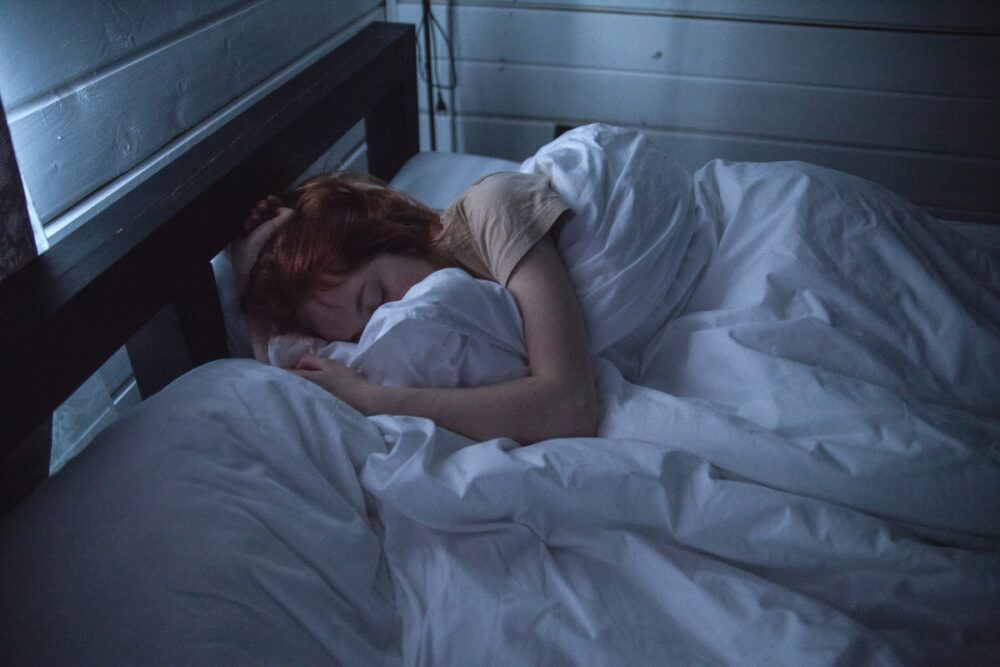
Most of us run the same routine every night without a second thought. Lights off, one long sleep, alarm, repeat. That single overnight block even has a name. It is called monophasic sleep, and it feels so ordinary that you would assume people have always slept this way. History says otherwise. Look across different cultures and back through the centuries and you find naps, split nights and all sorts. So is one unbroken block the natural way to sleep, or just the version that fits a nine to five? Let’s take a look.
The lowdown: Monophasic sleep means getting all your rest in one block, usually overnight. It is the most common pattern in the modern world, though history and other cultures show it is far from the only healthy way to sleep. For most people, one solid stretch, or one long night plus a short nap, works well.
Monophasic sleep is a single stretch of sleep across a 24-hour period. One sleep, once a day, almost always at night. It is the default for most adults today, and the one we picture when we think about a normal night. The APA Dictionary of Psychology puts it simply: a pattern in which sleep occurs in a single long period each day, typically at night.
It sits alongside two other patterns. Biphasic sleep splits rest into two periods, often a shorter night plus a nap, or in the older version, two separate stretches within a single night. Polyphasic sleep breaks the day into several shorter sleeps. If you regularly drop off after lunch, you are arguably already sleeping biphasically.
The word itself is a bit of a giveaway. Mono comes from the Greek for ‘one,’ and phase refers to a single stage or period. One phase of sleep, hence monophasic.
To understand why we bunch our sleep into one block, it helps to start with a bigger question. Why do we sleep at all? Researchers have a few leading theories, and they are not in competition with each other. The well-documented downsides of sleep deprivation make one thing clear… sleep is not optional. Here are some of the benefits:
A lot of the body’s repair work happens while you sleep. Muscle repair, tissue growth, protein synthesis and the release of key hormones all ramp up overnight, according to StatPearls’ review of sleep physiology. That is why a good night feels less like downtime and more like a maintenance shift for the whole system.
Sleep plays a real part in how the brain is wired. It helps with learning, memory and sorting through everything you took in during the day, which is one reason sleep and dreaming are so closely tied to how we store information. The effect is clearest in babies and young children, who sleep far more than adults while their brains are developing fastest.
This one reaches back into our evolutionary past, long before farming or fridges. For early humans, food had to be hunted or foraged, and there was little sense in burning energy searching for it in the dark when the odds of success were low. Powering down for part of the 24 hours was a way to keep energy demand in check, and that saving mattered a great deal when the next meal was never a given. Some of the idea still shows up in the body today. Your metabolism dips while you sleep, which fits the theory that rest is partly about conserving resources for when you actually need them.
So sleep clearly matters. That still does not explain why we take it in one long block. The honest answer is that, for most of human history, we probably did not.
Historian Roger Ekirch’s research into old diaries, court records and medical texts points to a routine of “first sleep” and “second sleep”, two stretches of night sleep with a quiet hour of wakefulness in between. On that reading, a segmented night may be closer to our natural default than one long block. We go into the full story in our guide to biphasic sleep.
So what changed? Three things, mostly. Industrialisation moved people off the land and into factories and offices. Electric light stretched the usable day well past sunset. And the formal working day locked everyone into the same long shift. Squeezing sleep into one overnight block became the tidiest use of the hours, and it stuck. Hot countries were the exception, where stepping out of the midday heat kept the siesta alive.

There is no single right answer here, in the same way, there is no magic number for how much sleep everyone needs. Most people function well on either one solid overnight block or one long night with a short nap added on. The evidence gets less friendly with the more extreme polyphasic schedules, the ones that promise a full life on four hours of sleep. Reviews of these tend to show a drop in physical and mental performance, with the occasional outlier who seems to cope. Our polyphasic sleep guide walks through the popular schedules and what tends to happen when people actually try them.
It is also worth remembering that monophasic sleep is a modern default rather than a universal rule. In one actigraphy study of 400 adults in Oman, a biphasic siesta pattern was the most common of all. Only around a quarter slept monophasically, and close to 90 percent took an afternoon nap. The polyphasic sleepers in that study were the sleepiest during the day, which lines up with the wider research. Whole populations still take their rest in more than one go and get on just fine.
So the useful question is not really which label you fall under. It is whether you wake up rested and get through the day without flagging. For most people in the UK, that means one good stretch overnight, on a supportive mattress and a bed frame that genuinely suits you. Quantity is only half the story. The quality of those hours does most of the heavy lifting.
Curious where your own cycles land? Work out the best times to fall asleep and wake up with the Sleep Cycle Calculator.
For most people, yes. One solid block of good quality sleep that adds up to the right total for your age is a perfectly healthy way to rest. What matters more than the pattern is whether you are getting enough hours and waking up feeling recovered.
Neither wins outright. Both patterns can support good health and sharp daytime performance. Biphasic sleep suits people who benefit from an afternoon nap, while monophasic suits anyone whose day leaves no room for one. The best pattern is the one you can keep to consistently.
Monophasic sleep describes the pattern, not the length. Most adults need around 7 to 9 hours a night, taken in that single block. Our piece on whether 7 hours of sleep is enough digs into the numbers.
It is natural enough, though probably not our original setting. History suggests people once slept in two nightly stretches, and plenty of cultures still nap through the afternoon. Modern life, with its electric light and fixed working hours, is what nudged most of us into a single block.