Can Autogenic Training Help You Sleep?
6 Min Read |
Last Modified 2 October 2026 First Added 23 December 2025
Struggling to switch off at night? If your mind’s still whirring long after you’ve got into bed, autogenic training could help. This simple relaxation technique teaches your body to relax on cue, helping to calm your nervous system and allowing you to fall asleep more easily, while waking up feeling refreshed.
In this article, we’ll explain what autogenic training is and how to practise it to achieve a calmer, more restful night’s sleep.
Autogenic training is a relaxation technique that uses self-suggestions to create feelings of warmth and heaviness throughout your body. The word “autogenic” means “self-generated,” which describes how it works: you lie down in a comfortable position and repeat specific phrases in your mind. These phrases guide your attention to different parts of your body, helping them relax, and over time, your body learns to respond automatically to these cues.
The technique targets the autonomic nervous system, which controls involuntary functions such as heart rate, breathing, and digestion. By influencing this system, autogenic relaxation can lower blood pressure, slow your heart rate, and prepare your body for sleep. Unlike progressive muscle relaxation, you don’t tense and release muscles; instead, you focus on creating warmth and heaviness through mental suggestion, making it less physically demanding and easier to practise in bed.
Originally developed in the 1930s by German psychiatrist Johannes Schultz, autogenic training has been used for decades to help with insomnia, anxiety, and stress-related conditions. Today, it’s recommended by sleep specialists and healthcare providers worldwide, including the NHS.
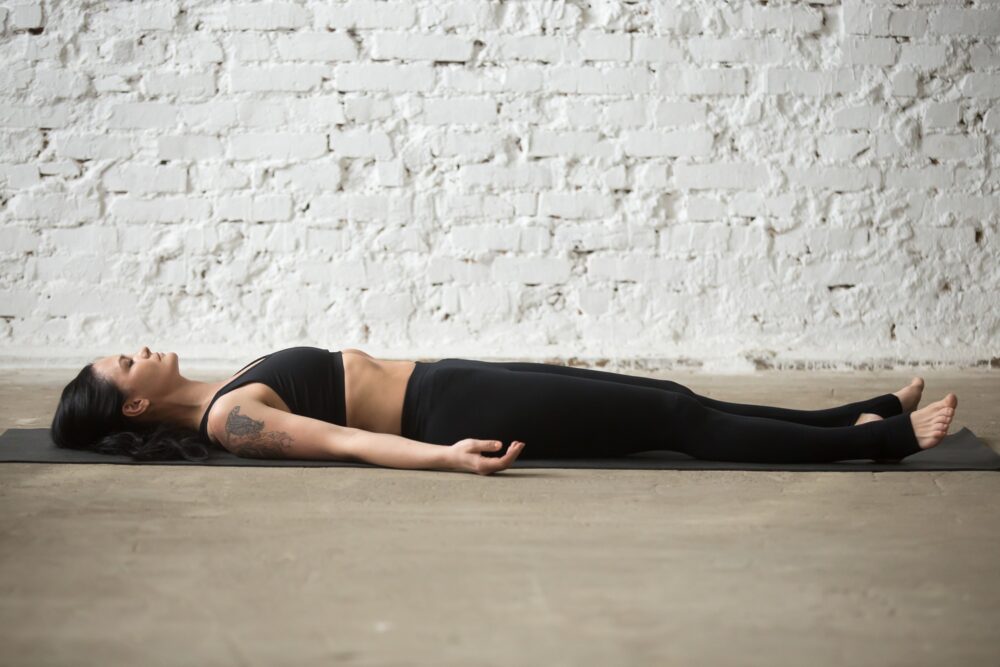
Before starting autogenic training exercises, find a quiet space where you won’t be disturbed. Lie on your back with your arms by your sides, palms up, or sit comfortably if lying down isn’t suitable. Close your eyes and take a few deep breaths to settle in.
Begin your session with the phrase “I am completely calm” as a mental anchor, then move through the six stages of autogenic training in order, spending 30-60 seconds on each:
After completing all stages, remain still for a few moments, then take deeper breaths and open your eyes slowly. If you practice before sleep, you can simply drift off naturally after completing the steps. This technique encourages a deep sense of calm and helps your body respond automatically to these mental cues.

Each full session takes around 15-20 minutes. Practising autogenic training twice a day can help reinforce the relaxation response. Morning sessions help you feel grounded for the day ahead, while evening sessions are effective for improving sleep quality.
Don’t worry if you don’t feel the results straight away. Some people notice the benefits of autogenic training within a few days, while others require several weeks of consistent practice before experiencing the full effect. Keep your practice gentle: if you feel discomfort or increased anxiety, pause and return to it when you’re calm and ready.
Research shows that practising autogenic training regularly does more than just help you sleep better; it can support your overall well-being too. Autogenic training benefits include:

Autogenic training is suitable for most people, especially those who struggle with stress, anxiety, or switching off at night. It can be particularly helpful if racing thoughts or physical tension keep you awake at night.
Yes, autogenic training is ideal for practising in bed. It’s gentle, doesn’t require movement, and can be incorporated into your bedtime routine to help you relax and drift off naturally.
Yes, children can practise autogenic training, especially older children and teenagers. It helps them learn to relax their bodies and calm their minds before sleep.
With regular practice, autogenic training offers more than just better sleep. From lowering stress and blood pressure to improving focus and boosting immune function, it’s a gentle, effective tool to support both the mind and body, helping you enjoy more restful nights.
Before you go, it’s important to note that if you have a history of panic attacks or dissociation, speak to a healthcare professional before starting any relaxation techniques.