What Do Ghost Dreams Mean?
9 Min Read
Last Modified 15 October 2026 First Added 13 December 2021

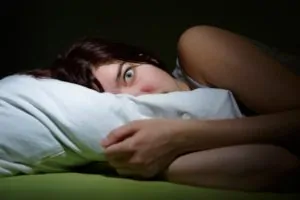
It’s 3 am, your heart is thumping, and you’re certain something was standing at the end of the bed. Ghosts can turn up in your sleep for plenty of reasons, and most are far less spooky than they feel in the dark. In this article, we look at what ghost dreams may mean, from unfinished business to sleep paralysis.
The lowdown: Dreaming about a ghost is often read as a sign of unfinished business, such as unresolved emotions, guilt, grief or a past situation that still weighs on your mind. What the ghost does, who it is and how you feel during the dream can all change its meaning. Waking up unable to move, with a sense that someone is in the room, may point to sleep paralysis instead.
Dreaming about ghosts usually symbolises something from your past that is still on your mind. That could be a regret, a loss, a conversation you never got to have or a feeling you’ve been pushing away. In dream interpretation, the ghost tends to stand for the part of your life that hasn’t quite moved on.
The meanings of ghost dreams can be as varied as the dreams themselves, but the overriding theme is that some unfinished business is haunting you. Some psychics believe you can be visited by an actual ghost or spirit, particularly if the dream feels more vivid and real than usual.
There may be some science behind this. Studies suggest that what you dream about tends to reflect your waking life, a theory known as the continuity hypothesis of dreaming. REM sleep may also help the brain process emotional experiences. That could explain why worries and losses turn up at night wearing a white sheet.
Bad dreams can take a real toll on rest. Of the 1,925 people in our 2026 UK Sleep Survey who told us why they sleep badly, 13% named bad dreams or night terrors. Racing thoughts topped the list at 37%.
No two ghost dreams are the same. The details tend to matter more than the ghost itself, and dream interpreters usually start with three clues:
Fear isn’t the only feeling that shows up in bad dreams. Fear was missing entirely from about a third of nightmares in one study. Researchers combed roughly 10,000 dream reports from 572 people to find the 253 nightmares and 431 bad dreams they analysed.

Ghost dreams come in all shapes and sizes, and sometimes the ghost is you. Here are some of the most common and what they may mean.
Being attacked by a ghost in a dream may mean you feel overwhelmed or out of control because of situations or people in your life. It can also symbolise a fear of the unknown, so it may feel familiar if you often worry about what’s coming next.
Fighting back may change the meaning, and is often read as a sign you’re ready to stand up to whatever has been bothering you.
Dreams about becoming a ghost may suggest guilt or fear about something in your past. They can also be linked to feeling invisible or left out, as if life is carrying on without you.
Being chased by a ghost may reflect fears, regrets or feelings you’re trying to avoid. The ghost could stand for something (or someone) from your past, such as an old relationship, a mistake or a wound that hasn’t fully healed. Our guide to dreams about being chased looks at chase dreams in more detail.
Speaking with a ghost in a dream may point to a need for closure or guidance. Was it offering comfort, delivering a warning or saying nothing at all? A calm chat may be reassuring. An unsettling one may hint at something left unsaid.
Hearing a ghostly voice call your name as you drift off may not be a dream at all. Hearing voices at the edge of sleep is one of the hallucinations researchers link to sleep paralysis.
Seeing someone you’ve lost appear as a ghost in a dream can be powerful. From a psychological point of view, these dreams may reflect grief, longing or a need for closure. Many people with spiritual or cultural beliefs see them as a visit, a message or guidance from the person who has passed.
They’re also very common. In a survey of 278 bereaved family carers of hospice patients, 58% reported dreams of their deceased loved one, and most described them as pleasant or a mix of pleasant and disturbing. You can read more about what it means to dream about someone in our guide.
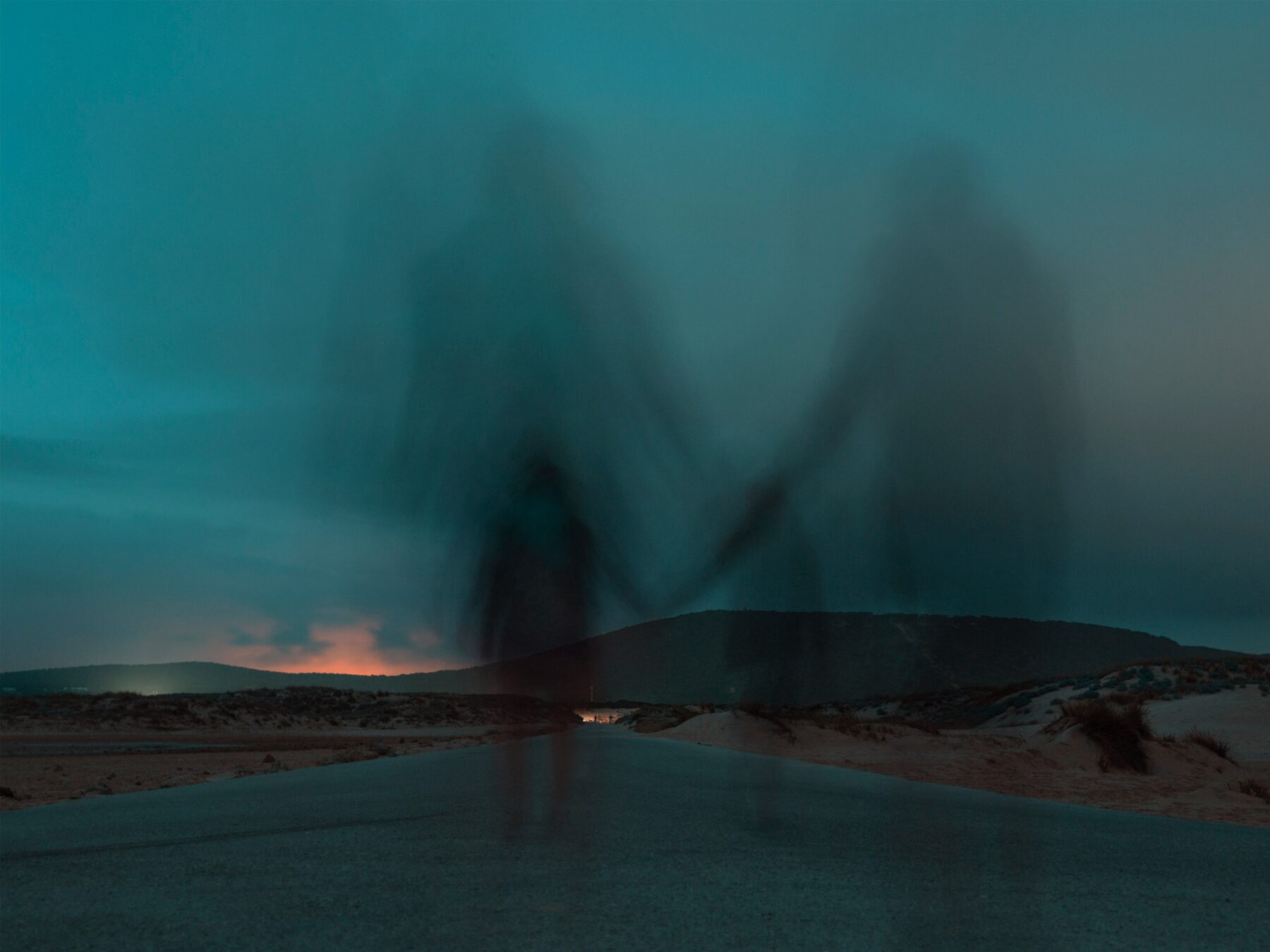
A ghostly reflection is often read as a sign to look inward. It may represent feelings you’ve buried or parts of yourself you haven’t fully acknowledged.
Dreams of being possessed are often linked to a loss of control. They may reflect a feeling that someone else, or a situation, is calling the shots in your waking life. Some interpreters also see possession as a sign of bottled-up emotions forcing their way out.
A home is meant to be a safe space, so a ghost wandering the landing or rattling the cupboards can feel personal. A ghost inside it may suggest something from the past has crept into your everyday thoughts. A ghost moving objects around could point to a feeling that small things are slipping out of your control.
A haunted house dream tends to carry a heavier mood than a single ghost. If the house stands for you, the haunting may represent old memories, worries or feelings that keep resurfacing. Having the same haunted house dream again and again may suggest there’s something you keep putting off. Our guide to recurring dreams explains why some dreams come back night after night.
Children in dreams are often linked to innocence or your younger self, so a ghost child may point to old memories or feelings from childhood. It may also reflect worries about a child in your life.
Demons and evil spirits tend to appear in darker, more intense dreams than ghosts. Dream interpreters often see them as symbols of inner conflict, such as anger, guilt or a habit you’re struggling to shake. One study found physical aggression was the theme that came up most often in nightmares, while milder bad dreams leaned towards conflict with other people. For more on the dreams that jolt people awake, see our guide to common nightmares and what they mean.
Sometimes the ghost isn’t part of a dream at all. The NHS describes sleep paralysis as being unable to move or speak as you’re waking up or falling asleep, often with a feeling that someone is in the room or pushing you down. It can be scary, but it’s harmless.
During REM sleep, your muscles are normally temporarily paralysed, a state called atonia, which stops you from acting out your dreams. In sleep paralysis, your brain is active while your body is still in sleep mode.
That in-between state can bring very vivid hallucinations. Researchers found they follow clear patterns, including a sensed presence, fear, voices, visions and pressure on the chest. Similar accounts appear across time and cultures and are often cited as the source of supernatural night-time encounters.
It’s fairly common too. A review of 35 studies estimated that 7.6% of the general population has had at least one episode. Our full guide to sleep paralysis causes and symptoms has more, along with our tips on how to sleep better at night.
So, what can you do if ghost dreams keep coming back? Dream expert Theresa Cheung has this advice.
‘Dreaming about a ghost tends to refer to unfinished business you need to deal with because it is haunting you. If there’s ghost imagery in your dreams, try to dig deep and figure out if there are any loose ends that need tying up in your life that might be weighing on your subconscious.’
Theresa Cheung, dream expert and author
Most nightmares get better on their own, according to the NHS. If ghost dreams are disturbing your sleep, a few things may help.
For more ideas, read our guide on how to avoid nightmares.
For many, dreaming of ghosts carries deep spiritual meaning. Some believe these dreams are messages from the deceased, perhaps a loved one offering comfort, guidance or closure. Others see them as a visit from a spirit guide, especially if the dream feels more vivid and real than usual. Some read ghost dreams as a sign of growing psychic intuition, while others see them as a call to let go of old wounds. There’s no scientific way to prove or disprove any of this.
Haunted dreams may be linked to stress, worry, grief or a situation that feels unresolved. Something that frightened you before bed can play a part too. The NHS lists a scary film among the things that can trigger nightmares, so a late-night ghost story may not do you any favours. Our guide on how to sleep after watching a horror movie can help.
Many people believe they can, especially when the dream features someone who has died. There’s no scientific way to prove or disprove it. Psychologists tend to see these dreams as the mind working through memories and emotions, while many faiths and cultures treat them as a genuine visit.
Seeing a figure in the room just as you wake up may be a hypnopompic hallucination. The same thing happening as you drift off is called a hypnagogic hallucination. Researchers have linked both to sleep paralysis, and they can feel very real.
Paranormal dreams cover everything from ghosts and spirits to possession, poltergeists and strange lights. Dream interpreters often read them as a sign that something in your life feels hard to explain or out of your control. If your dream felt unusually real, our guide to what vivid dreams mean may help.
Usually nothing more than a jolt and a racing heart. Ghost dreams are generally read as a reflection of your thoughts and feelings, not a sign of things to come. If they’re keeping you up, try our tips on how to stop dreaming about ghosts.
Curious about the rest of your dreams? Look them up in our Dream Encyclopaedia. And if the only thing haunting your nights is a lumpy old mattress, our mattress range may be the fix you need.