
Santaphobia: How to Stop Your Child Being Scared of Santa
6 Min Read |
Last Modified 30 July 2026 First Added 3 November 2020
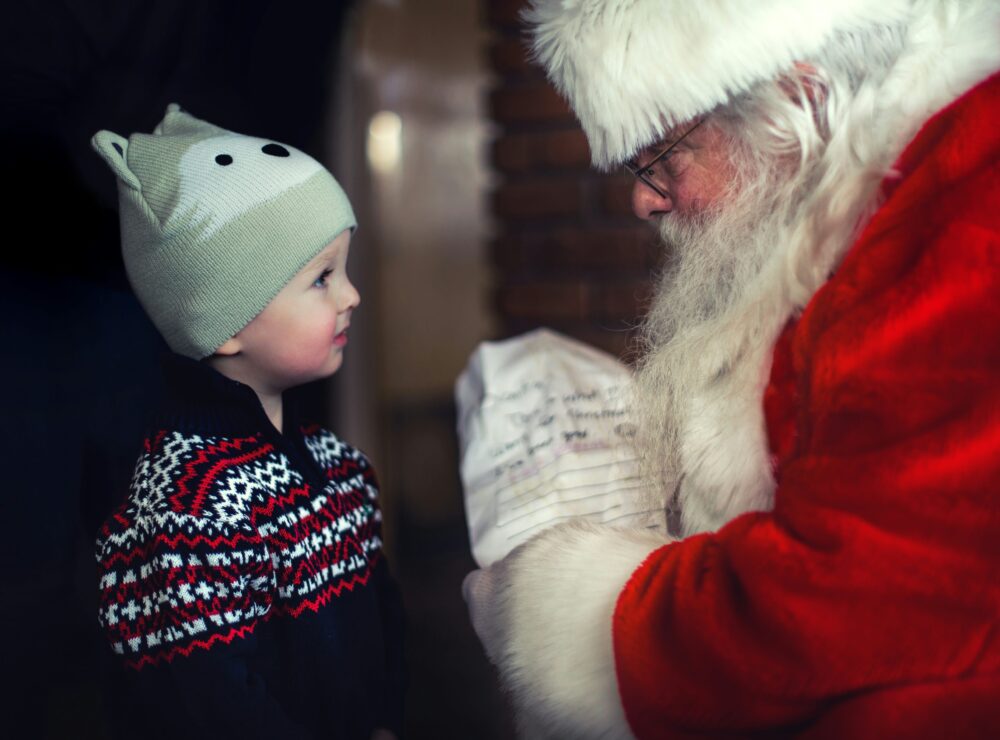
For most kids, December is a month of excitement, filled with friendly reindeer, happy elves, and lots of presents. But for a select few, this most joyful time of the year comes with a catch: Santaphobia – the fear of Santa Claus.
Santaphobia is more common than you might think, especially in toddlers who are still learning to trust the world around them. However, with gentle steps, patience, and proper preparation, you can help them feel safer, calmer, and more in control during the festive season.
Start by making Santa a familiar, friendly figure long before any festive outings. Read Santa-themed bedtime stories, watch gentle cartoons, or bake Santa cookies to ease your child into the idea. Keep things fun and low-pressure so they can ask questions or show curiosity at their own pace.
Children feel safer when they know what’s coming. Explain what Santa looks like, how a visit usually goes, and that he’s simply a kind person in a costume. Setting expectations helps avoid surprises and makes the experience more predictable and less overwhelming.
Let your child handle Santa toys, soft plush Santas, or simple dress-up accessories. You could even try wearing a Santa hat or beard yourself to show them it’s just a costume. When Santa is part of everyday play, he becomes less intimidating.
Let your child decide whether they want to meet Santa at all. If they do want to meet him, let them control how close they want to get. Remind them they can change their mind at any time. Feeling in control reduces anxiety and builds confidence.

If a visit to a grotto is on the table, choose a moment when your child is rested, fed, and relaxed – not rushed, cold, or overtired. Calm timing helps them cope better with the sensory overload of lights, crowds, and excitement. A peaceful child is much more likely to feel brave.
If possible, visit the location ahead of time to see Santa from afar before the real meet-and-greet. This can remove a lot of the unpredictability. Even walking past the grotto a few times gives your child a chance to process things gradually.
Start by observing Santa from a distance, allowing your child to warm up without feeling pressured. If they want to get closer, let it happen naturally in their own time. Think of it as a gentle “warm-up,” not a performance.
Your presence communicates safety. Hold your child, sit with them on your lap near Santa, or stand between them and the big red suit. Seeing you relaxed and smiling helps them understand the situation isn’t dangerous.
Never dismiss their fear or tell them they’re being silly. Listen, validate, and reassure them that feeling scared is normal. Children relax much faster when they feel heard and protected, not rushed or embarrassed.
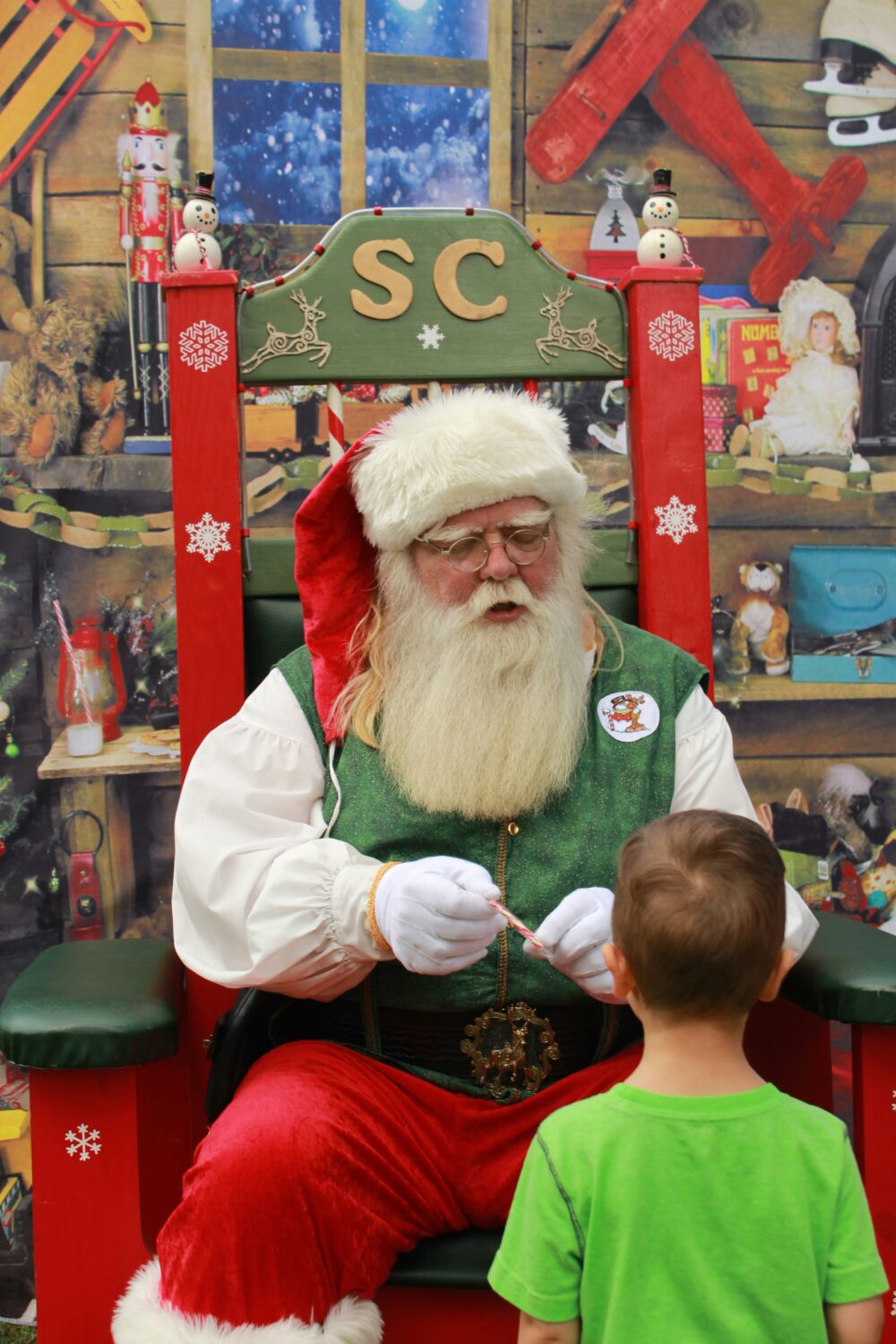
Forcing a frightened child into Santa’s arms can make the fear much worse and leave lasting negative associations. Let them engage only if and when they want to. You don’t need a photo for the memory to be meaningful.
Whether they took one step closer or simply talked about their feelings, recognise their effort. Small wins deserve big praise. Confidence grows in tiny, consistent steps.
If your child is scared, avoid revealing Santa’s secret. You can protect both the magic and your child’s feelings by keeping explanations simple: Santa is friendly, fun, and safe – and they can enjoy Christmas in their own way.
It’s not uncommon for children to suffer from Santaphobia. After all, Santa Claus is a strange, unknown man dressed in red who breaks into their house via the chimney. Add in the fact he’s known for watching their behaviour all year round, and it’s quite understandable why some kids are scared of old St Nicholas.
Here are some of the reasons why some kids may fear Santa Claus:
Yes. The fear of Santa Claus is often referred to as Santaphobia or Clausophobia. It’s common in younger children and usually short-lived.
Most children outgrow their fear by around four to five years old, as their emotional understanding and coping skills develop. However, every child is different – some may grow out of it sooner, others a little later.
Santa Claus syndrome is a non-clinical term sometimes used to describe the anxiety children feel about being judged by Santa’s “naughty or nice” list. It can contribute to fear or pressure during the festive season.
Christougenniatikophobia is the fear of Christmas itself. While rare, it can occur in children who struggle with sensory overload, unfamiliar routines, or anxiety around festive characters like Santa.
As with most childhood fears, Santaphobia is usually a passing phase, and they will grow out of it. With patience, empathy, and gentle preparation, your child can learn to approach the festive season with more comfort and confidence. By giving them space to process their feelings and supporting them at their own pace, you’re already helping them build emotional resilience that lasts far beyond Christmas. With the right approach, Santa can once again become a friendly part of the magic.