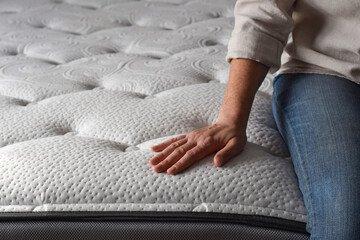
How long does it take to get used to a new mattress?
Last updated: November 2026
Most people take two to six weeks to get used to a new mattress. Some feel at home in a few nights. Others need closer to two months. Switching mattress type, such as from springs to memory foam, usually takes the longest.
That first night can feel odd. Too firm, too soft, strangely quiet. It's normal. Your body has spent years learning your old mattress and needs time to learn this one. Below you'll find what to expect week by week, what helps, and how to tell settling in from the wrong mattress.
What to expect in the first six weeks
The first few nights
Your new mattress may feel firmer, softer or simply different. Mild aches and lighter sleep are common while your body meets new support. Try not to judge it yet.
Weeks one and two
Your body starts to settle. Foam and fibre layers soften slightly with use and body warmth. Many people notice the aches easing.
Weeks three and four
Most people feel more comfortable by now. If you're still unsure, that's fine. You're not behind schedule.
Weeks five and six
Give your mattress at least six weeks before you make a final call. By now you'll know whether you're still adjusting or whether it's the wrong fit.
Why does it take a while to get used to a new mattress?
Your body has spent years adapting to the shape, feel and support of your old mattress. A new one changes all of that overnight. Your muscles, joints and spine need time to adjust to different levels of support and pressure relief. This adjustment period is a natural part of the process as your body adapts to sleeping on a new surface and doesn’t necessarily mean it’s not a good match. With a little time, most people find their new mattress begins to feel more comfortable and supportive night after night.
Do mattresses soften over time?
Most mattresses do soften slightly with regular use, particularly those with foam or fibre layers that respond to body weight and warmth. That said, significant softening takes time. If a mattress feels uncomfortably firm from night one, pay attention to where you feel pressure: your hips, shoulders or lower back. If those pressure points aren't easing after a few weeks, the mattress may be too firm for your sleep style. Some mattresses, especially those with a very high spring count or dense foam core, won't soften enough to suit lighter sleepers, regardless of how long you persevere.
Read our mattress types guide for more help choosing the right firmness level for you.
Can you sleep on a new mattress straight away?
In most cases, yes. If your new mattress arrived rolled or compressed in a box, it needs time to expand first. Most manufacturers recommend waiting 3 to 24 hours. Check the label or information pack for the exact time. Sleeping on it too soon can affect the materials before they've properly set.
Once it has expanded, leave it uncovered for a few hours so it can air. Then fit a mattress protector before you add your bedding. You need one from day one to qualify for our 100-night comfort guarantee.
How long it takes by mattress type
Your timeline depends on what you slept on before and what you've switched to.
Memory foam mattresses
Memory foam moulds to your shape, which feels very different to springs. If you're switching from a spring mattress, allow the full six weeks. You may feel warmer or sink in more at first.
Pocket sprung mattresses
Pocket sprung mattresses typically feel more familiar from the start, particularly if you're coming from a spring mattress, so the adjustment is often shorter.
Hybrid mattresses
Hybrids pair pocket springs with foam comfort layers. If you're used to springs, the support feels familiar. The foam on top adds contouring, which can take a little getting used to.
Latex mattresses
Latex gives responsive, springy support. It contours to your body but pushes back when you move, so it can feel bouncier than memory foam.
Is it normal to feel sore on a new mattress?
Yes, a little. Mild aches and lighter sleep are common in the first few weeks. Your muscles and joints are adjusting to new support and pressure relief. Aches that ease week by week are a good sign.
Pain that gets worse is different. If back pain lasts longer than a month, speak to a healthcare professional. Our guide to choosing a mattress for back pain explains which features help.
Tips for getting used to a new mattress
A few small changes can make the settling-in period a lot easier while your body finds its rhythm.
Stick with it
Resist the urge to drag the old mattress back in after a couple of bad nights. Your body needs consistent exposure to make a fair assessment.
Check your pillow
A new mattress changes your sleeping position slightly, which can mean your existing pillows no longer support your head and neck properly. Our pillow buying guide can help if you think this might be the issue.
Check your bed base
A tired or sagging base stops a new mattress doing its job. If the mattress feels uneven, check that your bed frame or divan is in good condition. Our bed bases guide explains the options.
Rotate your mattress
Some mattresses benefit from being rotated in the first few weeks to ensure even wear. Check the care label or read our mattress care guide for more advice.
Keep a consistent sleep schedule
Going to bed and waking at the same time each day helps your body adapt to new sleep conditions more quickly.
Use a mattress topper
If the mattress feels slightly too firm while it's breaking in, a mattress topper can take the edge off without undermining the support underneath.
Sleep in the same position
Try to stick to your usual sleeping position rather than experimenting with new ones during the adjustment period. This gives your body the best chance of settling in naturally.
Consider your bedding
Heavy duvets or multiple layers can affect how a mattress feels. If it's feeling too warm, lighter bedding might help.
What if my new mattress feels too firm or too soft?
Notice where you feel it. Pressure on your hips, shoulders or lower back that doesn't ease after a few weeks can mean the mattress is too firm. A mattress that lets your hips sink so your spine sags can be too soft.
A topper can take the edge off a mattress that is slightly too firm. If it still doesn't feel right after six weeks, compare firmness levels. Browse soft, medium and firm mattresses, or read our mattress firmness guide.
When a new mattress is not the right one
Six weeks is a fair trial. These signs suggest it may not suit you:
- Aches that get worse instead of easing.
- You still wake stiff or tired after six weeks.
- You can see or feel a dip where you sleep.
- It feels too firm or too soft week after week.
That's what our 100-night comfort guarantee is for. If you're not comfy after 30 to 100 nights' use, contact us for an exchange. You need to use a mattress protector from day one to qualify. Read the full terms.
Not sure what to swap to? Try Sleepmatch in store, or use our personal comfort guide.
Questions about getting used to a new mattress
What happens if you sleep on a new mattress before 24 hours?
If it arrived rolled or compressed, it needs time to expand. Sleeping on it too soon can affect the materials before they've properly set. Most manufacturers recommend waiting 3 to 24 hours. Check the label or information pack for your mattress.
What should you do about a new mattress smell?
Some new mattresses have a smell when you unwrap them. Leave the mattress uncovered in a well-ventilated room for a few hours so it can air. If a strong smell stays, contact us.
Is it normal to be uncomfortable on a new mattress?
Yes, a little. Your body is adjusting to new support. Mild aches and lighter sleep in the first few weeks are common. If the discomfort fades week by week, you are settling in. If it gets worse, or hasn't eased after six weeks, the mattress may not suit you.
Is it normal to get back pain from a new mattress?
Mild stiffness can happen while your body adjusts. Back pain that lasts longer than a month needs attention, so speak to a healthcare professional. Our guide to choosing a mattress for back pain explains which features help.
How long does it take to get used to a new memory foam mattress?
Allow up to six weeks, especially if you're switching from a spring mattress. Memory foam moulds to your shape, which feels very different to springs.
How long does it take to get used to a new hybrid mattress?
Allow the same two to six weeks. Hybrids pair pocket springs with foam comfort layers, so the support often feels familiar if you're used to springs. The foam on top adds contouring, which can take a little getting used to.
How can you break in a new mattress quickly?
You can't rush it much. Sleep on it every night and keep to a regular bedtime. Check your pillow and bed base. Don't jump on it. Heavy impact can damage memory foam permanently.
Should you go back to your old mattress after a few bad nights?
No. Your body needs steady, consistent use to make a fair judgement. Give the new mattress a full six weeks before you decide.
What if you are still uncomfortable after six weeks?
It may not be the right mattress. If you're not comfy after 30 to 100 nights' use, contact us for an exchange under our 100-night comfort guarantee. You need to use a mattress protector from day one to qualify.