How to choose a mattress
Last updated: August 2026

Choosing the ideal mattress for you can be tricky, with an abundance of mattress types available, narrowing down the selection can be tough. Nearly 1 in 4 UK poor sleepers say they simply can't get comfortable in bed, and the right mattress is often the fastest way to change that. Our mattress buying guide recommends the best mattresses for you based on your sleeping position, your weight and any personal needs and preferences.
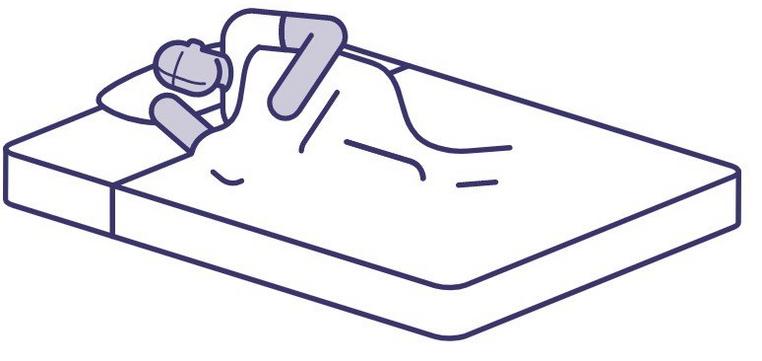
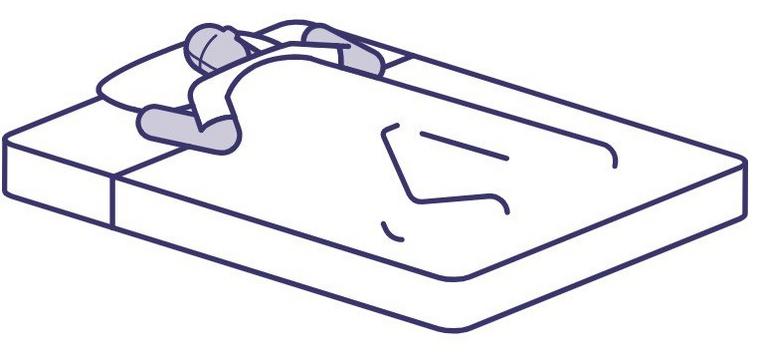
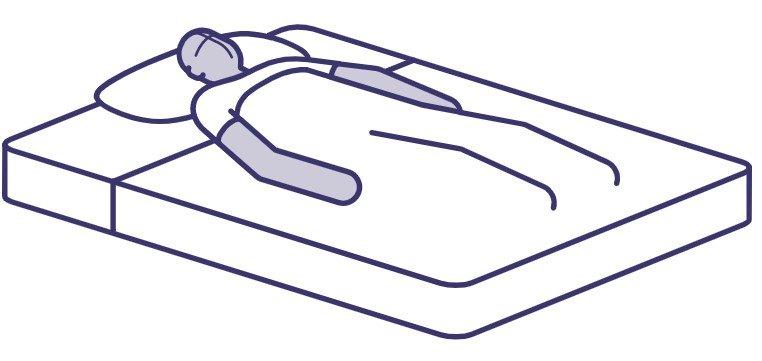
How to choose the right mattress for your sleeping position
Your sleeping position plays a big role in how your body aligns and recovers overnight, so choosing the right mattress to support that position can make all the difference to your comfort and sleep quality.
How to choose the right mattress firmness
While mattress type refers to filling, comfort grade refers to how firm the mattress is. This usually ranges from soft to very firm. Each type of mattress is usually available in a range of comfort grades to be tailored to your needs. For example, you could opt for a memory foam mattress in a soft or firm comfort grade.
While comfort grades are often based on personal preference, your sleeping position, weight and health conditions may make you more suited to certain comfort grades than others. In this guide, we recommend the best mattress type and comfort grade for each of those factors.
| Comfort grade | Sleeping position | Body type |
|---|---|---|
| Soft | Side | Lighter builds |
| Medium | Side, front and back | All body types |
| Firm | Front and back | Average to heavier builds |
| Very firm | Back | Heavier builds |
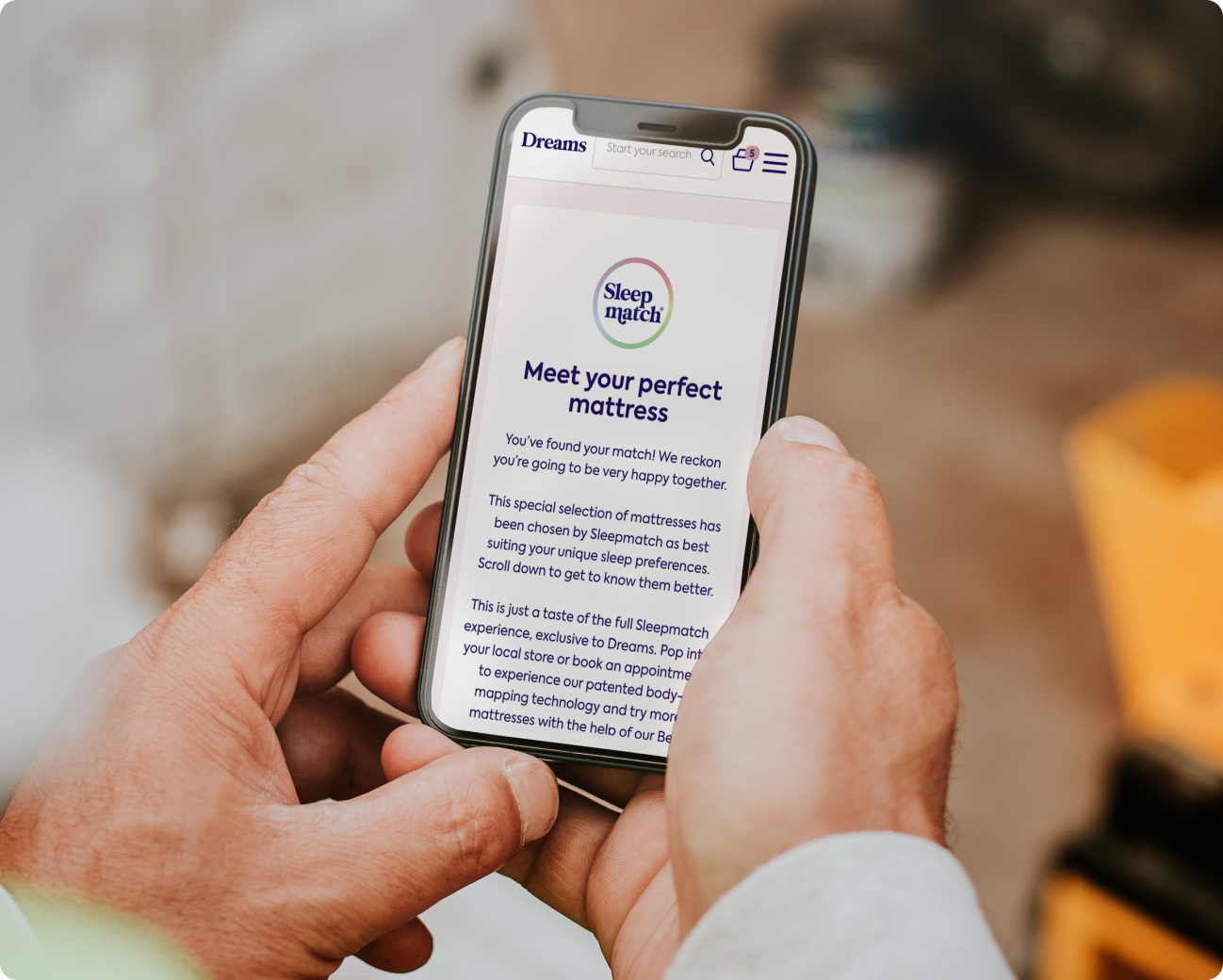
Find the best mattress for you with our Sleepmatch Technology
Our unique Sleepmatch® technology matches you with your perfect mattress. By analysing your body, support needs, and how you like to sleep, Sleepmatch® cuts the guesswork and gives you a selection of mattresses that are just right for you.
FIND OUT MOREFAQs about choosing a mattress
What is the best mattress for heavier people?
For people with a heavier build, the best mattress is one that offers enhanced support, durability and pressure relief without sacrificing comfort. A well-supported mattress helps distribute weight evenly and prevents excessive sinkage, which can affect spinal alignment over time.
Recommended mattress types:
- Pocket spring mattresses, where individual springs respond independently to different areas of the body, offering targeted support and improved weight distribution.
- Hybrid mattresses, which combine supportive springs with layers of memory foam, gel or latex for added stability and comfort.
- Latex mattresses provide firm yet flexible support that cushions pressure points like hips and shoulders while maintaining resilience night after night.
What is the best mattress for joint pain or arthritis?
If you experience joint pain or arthritis, comfort and temperature regulation are key. A mattress that cushions sensitive areas while maintaining warmth can help reduce discomfort and stiffness overnight.
Memory foam mattresses are a popular choice as they contour to the body, easing pressure on joints and encouraging better alignment. Traditional spring mattresses can also work well if you prefer a slightly warmer sleep surface, as they tend to retain heat. For those who struggle with cold-related pain, adding a heated mattress topper can provide extra comfort, helping to soothe aches.
What is the best mattress for restless sleepers who toss and turn?
For restless sleepers, the best mattress is one that limits motion transfer and gently encourages stillness throughout the night.
Memory foam mattresses are particularly effective for this, as their layered construction absorbs movement and responds slowly to changes in position. This reduces the bounce-back effect found in traditional spring mattresses and helps keep your body supported in a natural sleeping position. Mattresses with multiple foam layers also provide enhanced cushioning, making them a great choice if you share a bed or frequently change position during the night.
What is the best mattress for back pain?
If you suffer from back pain, choosing the right mattress can help support your spine and reduce stiffness in the morning.
A medium comfort mattress is often recommended, as options that are too soft can cause sinking, while overly firm mattresses may add pressure, causing discomfort. Memory foam mattresses are particularly beneficial, as they mould to your body and support the spine evenly. Orthopaedic mattresses also offer targeted support zones to help reduce strain on the back and neck. For added pressure relief, Dreams’ Sleepmotion range uses Zero Gravity technology to help minimise aches caused by your natural sleeping position.
Read more about the best mattresses for back pain.
What is the best mattress for allergy sufferers?
For allergy sufferers, the best mattress is one made from materials that reduce the build-up of allergens such as dust mites and mould. Hypoallergenic properties can help ease symptoms and support clearer breathing at night.
Mattresses made from man-made materials are often recommended, as they’re less likely to harbour allergens compared to natural fillings like wool or mohair. Brands such as Silentnight use hypoallergenic materials designed to resist dust mites, while TheraPur mattresses feature breathable ActiGel foam with open-cell structures that help create a cleaner sleep environment.
What is the best mattress for hot sleepers?
If you tend to overheat while you sleep, temperature regulation should be a top priority when choosing a mattress. The right materials can help keep you cool and comfortable throughout the night.
Gel mattresses are a great option, as their gel-infused foam absorbs excess heat when you’re warm and releases it as your body cools. Natural mattresses, made with breathable fillings like cotton, wool, bamboo or alpaca, also promote airflow and moisture control. For advanced cooling, TEMPUR® mattresses feature SmartCool™ technology, designed to draw heat away from the body quickly.
Learn more about the benefits of cooling mattresses and how they work.
What is the best mattress for scoliosis?
For people with scoliosis, spinal support and even weight distribution are key when choosing a mattress. A mattress that’s too soft or too firm can place extra strain on the spine and worsen discomfort overnight.
Medium-firm pocket-sprung mattresses are often a good option, as the individually wrapped springs respond to different parts of the body, helping to support the spine’s natural alignment. This targeted support can reduce pressure points and encourage a more balanced sleeping position. Comfort preferences can vary, so it’s worth testing firmness levels where possible and seeking advice from a healthcare professional.
How much should I spend on a mattress?
This is one of the most common questions in mattress buying, and one that does not have a single right answer. What matters is the relationship between price, construction, and how long the mattress will last.
- At under £400 you will mostly find foam mattresses and entry-level open coil springs. Fine for a spare room or a short stay, but foam mattresses at this price tend to compress within two to three years of regular use. Open coil springs at this price are more durable, look for a higher coil count and a double-sided construction that lets you flip as well as rotate.
- Between £400 and £800, the quality of pocket spring and hybrid mattresses increases significantly. A 1,000-spring pocket spring with a natural comfort layer at this price point will outlast a foam mattress costing twice as much. This is the sweet spot for most buyers.
- From £800 to £1,500 you are getting higher spring counts (2,000 or above), natural fillings such as wool, cotton and cashmere, and often hand-tufted or hand-stitched construction. These mattresses are built to last ten to fifteen years with proper care.
- Above £1,500 you are paying for the materials themselves: horsehair, silk, mohair, hand-side-stitched pocket springs, and the craftsmanship that takes hours per mattress. If you have tried mattresses across the lower price points and still sleep badly, this is where the difference becomes genuinely noticeable.
The most useful thing to know is that a £1,500 pocket spring mattress that lasts fifteen years costs less per night than a £400 foam mattress that needs replacing every three. The upfront price is not the whole story.
In-store or online: which is the better way to buy?
Neither route is wrong. But if you are spending £600 or more, trying the mattress in person before buying is worth the hour it takes. Buying a mattress online offers convenience and 100-night trial periods, but a trial only tells you whether a mattress is comfortable enough to keep, not how it performs after five years. In a Dreams store, you can try multiple firmness levels and mattress types back-to-back in a single visit, which is impossible to replicate by sleeping on one mattress for 100 nights. Online you can take our Sleepmatch quiz, or in person get a full-body scan that recommends a mattress based on your measurements and needs.