The Single Sided Vs. Double Sided Mattress Guide
Ensuring your mattress stays supportive and comfortable is the key to a good night's sleep. One of the best ways to achieve this is by regularly flipping or rotating your mattress to ensure even support across the surface. In this guide, we'll walk you through how to tell whether your mattress needs flipping or rotating and how often to do it for the best possible comfort.
Do you need to flip a mattress?
Whether or not your mattress needs flipping depends on whether it's single-sided or double-sided. This is influenced by the materials used and the mattress construction, such as the positioning of the springs and any additional layers on each side. We've put together everything you need to know about single-sided and double-sided mattresses so you can take the right steps to extend the life of your mattress and continue enjoying the ultimate comfort.
What is a single sided mattress?
A single-sided mattress is designed with one dedicated sleeping surface, so there's no need to flip it. The comfort layers and springs are only featured on the top side, which means the underside isn't built for sleeping. While not always true, some types of mattresses that are commonly single-sided include:

Memory foam mattresses

Memory foam mattresses
These are typically single-sided because the foam layers designed for comfort and support are only on the top. The underside is often flat and not intended for sleeping.
Latex mattresses
Latex mattresses
Like memory foam, latex mattresses are usually single-sided, with a top layer of latex foam for comfort and support.
Hybrid mattresses
Hybrid mattresses
These combine memory foam or latex with pocket springs, meaning only the top side features the comfort layers.
Pocket spring mattresses
Pocket spring mattresses
While many traditional ones are double-sided, newer models are often single-sided. These typically have a quilted or foam comfort layer only on the top.
How often should you rotate a mattress?
While single-sided mattresses don't need to be flipped, they should be rotated regularly to ensure even wear. We recommend doing this every 3-6 months to maintain consistent support across the entire sleeping surface.
What is a double sided mattress?
A double-sided or flippable mattress is designed with two entirely usable sleeping surfaces. This means both sides feature comfort layers that provide the support your body needs for a restful night's sleep. Some types of mattresses that are commonly double-sided are:

Traditional spring mattresses
Traditional innerspring mattresses often have a coil support system on both sides, making them ideal for flipping.
Pocket spring mattresses
Many pocket spring mattresses are double-sided, with independent springs on both sides, offering a more durable, long-lasting option for regular flipping.
Wool and cotton mattresses
Mattresses made primarily from natural materials like wool or cotton can be double-sided, allowing for better ventilation and even wear when flipped.
With their dual-sided design, these mattresses should be flipped regularly to ensure even wear and extend their lifespan. Flipping a double-sided mattress helps maintain the integrity of the springs and foam layers, preventing pressure points from developing on one side. This will make sure your mattress stays supportive and comfortable for years to come.
How often should you flip a mattress?
Double-sided mattresses should be flipped every 3-6 months to prevent sagging or compromising the support on one side of the mattress.
How to tell if your mattress is single or double sided
To determine whether a mattress is single-sided or double-sided, here are some things to look for:
- Check the label: Most mattresses state on the label whether they are single-sided or double-sided; they may say flappable or non-flippable instead.
- Look at the mattress construction: Check the manufacturer's website for any information included with the mattress, or contact the store where you bought your mattress about its structure. If it only features comfort layers such as foam on one side, it's likely single-sided. Conversely, if the mattress has a symmetrical structure with comfort layers on both sides of the springs, it is double-sided.
- Determine mattress thickness: Double-sided mattresses tend to be slightly thicker as they feature comfort layers on both sides, whereas single-sided mattresses can be thinner, with less padding on the underside. However, it's important to note that this depends on the mattress type, so it's always best to check the label or manufacturer details to confirm.
Single sided vs. double sided mattresses: which is better?
Deciding which type of mattress is better depends on what is right for you. To help you choose, we've summarised the pros and cons of both single-sided and double-sided mattresses.
Single-sided mattresses
| Benefits | Drawbacks | Suitable for |
|---|---|---|
| Convenient and low maintenance, only requiring you to rotate the mattress | Limited lifespan due to persistent use of one side, causing wear and tear | Lighter sleepers who are less likely to create pressure points from constant use of one side. |
| Often crafted with more modern designs and materials, such as memory foam and hybrid mattresses for tailored comfort | Rotation still requires regular maintenance | Those who value convenience and easy maintenance |
| Lighter and easier to handle and rotate | - | - |
| Typically cheaper due to their simpler construction | - | - |
Double-sided mattresses
| Benefits | Drawbacks | Suitable for |
|---|---|---|
| Flipping ensures increased longevity, helping to distribute wear evenly | Flipping requires more maintenance and effort | Heavier sleepers or couples who are likely to add more pressure and strain to a mattress |
| Using both sides ensures durability and consistent support | These tend to be more expensive due to added materials and construction | Those who want customisable comfort |
| Flipping the mattress allows you to alternate firmness and comfort on each side | - | - |
| The dual-sided structure makes these mattresses more resilient | - | - |
How to flip a mattress
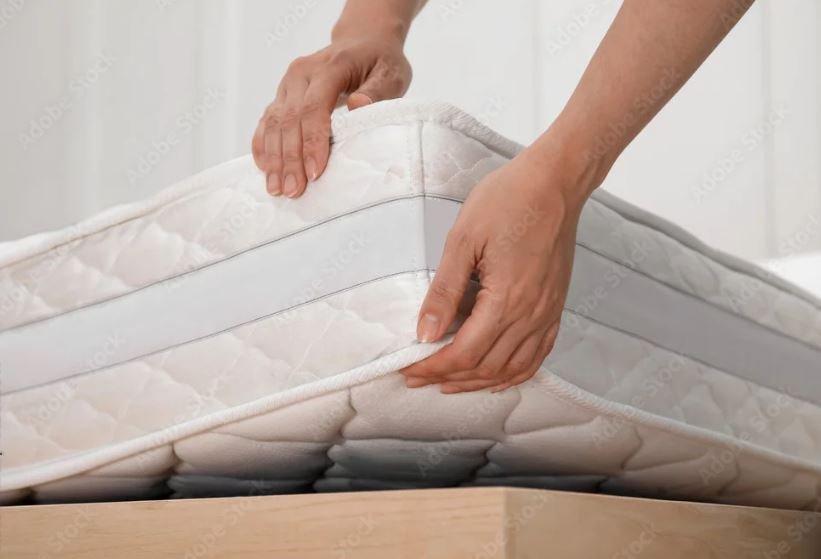
When flipping your double-sided mattress, it's essential to do it properly and carefully to avoid injury.
- Clear your bed: Remove all loose items, such as pillows, duvets and sheets.
- Make room: Ensure you have enough space around the bed to manoeuvre the mattress. Check that no objects on the floor could get in your way or trip you up.
- Lift one side of the mattress: Start by lifting one side off the bed base. Bend your knees and use your legs to lift the weight of the mattress to avoid straining your back.
- Flip the mattress: Carefully and slowly flip the mattress over so that the opposite side faces up. You may need to adjust the bottom of the mattress to ensure that it falls in the right place once lowered. It's best to have someone else do this with you to avoid injury or damage to anything around your bed.
- Position the mattress: Once the mattress has been flipped, align it properly with the bed frame or base.
How to flip a mattress by yourself
If you need to flip a mattress by yourself, here are some tips for doing it safely:
- Use leverage: Use your body weight or larger objects in the room, such as your headboard, to lean the mattress against, making it easier to flip.
- Keep the mattress close to you: This will make moving the weight more manageable.
- Take breaks: Prop your mattress up on its side or against a wall to take breaks and avoid straining yourself or losing control of the mattress.
How to rotate a mattress
To rotate your single-sided mattress, lift one end and rotate it 180 degrees so that the head and foot positions are swapped. Lifting the mattress fully off the bed before rotating it may make it easier for two people.
In summary, single-sided and double-sided mattresses offer supportive comfort and come in various materials and sizes. While single-sided mattresses provide convenience and ease of maintenance, they can wear out faster. On the other hand, double-sided mattresses can be more durable and offer longer-lasting comfort but require more regular maintenance and care. The best choice depends on your priorities, budget, and preferences.
Ideas & Guides
Our Inspiration & Advice hub is jam-packed with helpful buying guides, inspirational interior ideas, and articles from our Sleep Matters Club website. We hope you enjoy reading it all.