Decluttering methods for busy bedrooms
9 min read
Last Modified 27 March 2026 First Added 23 February 2026
Your bedroom should be the one place you can properly switch off. But when there’s a pile of clothes on the chair, shoes spilling out from under the bed, and a bedside table buried under books and half-empty water glasses, “relaxing” feels like a stretch.
Did you know there’s a decluttering method for pretty much every personality type? Whether you need a strict system to keep you on track or something gentler that doesn’t make you feel like you’re saying goodbye to everything you own, we’ve rounded up the best approaches to getting your bedroom back under control.
And the even better news? A tidier bedroom doesn’t just look good; it feels good, too, and can actually help you sleep better at night.
If you’ve ever held a jumper in both hands and whispered “do you spark joy?”, you’ve already met Marie Kondo’s famous approach. The KonMari method works by sorting your belongings into categories (clothes, books, papers, miscellaneous (komono) and sentimental items) rather than going room by room. You hold each item, decide whether it genuinely makes you happy, and if it doesn’t, you thank it and let it go.
For bedrooms specifically, this is a great starting point. Think about the cushions you never arrange, the candles you never light, the drawer full of cables that might belong to something (but probably don’t). KonMari encourages you to be honest about what actually earns its place in your bedroom, and what’s just taking up space.
The method does ask for a proper time commitment, so set aside a weekend rather than trying to squeeze it into a Tuesday evening. But that’s the beauty of it. One big push, and the results stick. Read our full guide to how the KonMari method can help you love your bedroom.
Not everyone has a spare weekend to blitz their bedroom. Life gets in the way. The kids need feeding, the dog needs walking, and before you know it, the “big declutter” you planned has been pushed back to next month. Again.
The 30/10 rule is built for exactly this. You commit to just 10 minutes of decluttering every day for 30 days. That’s it. Ten minutes feels like nothing in the moment, but it adds up to five hours over the course of a month, and five hours can change a bedroom completely.
The key is picking one small area per session. Monday might be your bedside table. Tuesday, the top shelf of your wardrobe. Wednesday, that drawer everyone has (you know, the one full of random things that don’t belong anywhere). You’re not trying to overhaul the whole room in one go. You’re chipping away at it, ten minutes at a time.
It works because it removes the biggest barrier to decluttering: getting started. Ten minutes doesn’t feel scary. You can do it while the kettle boils or during an ad break. And once you start seeing small wins, the motivation tends to snowball. By day 15, you’ll wonder why your bedroom ever got that messy in the first place.
This one’s perfect if the idea of a full-blown declutter makes you want to crawl back under the duvet. The 1-3-5 rule breaks things down into tiny, manageable chunks. Each session, you aim to tackle one big task, three medium tasks and five small ones.
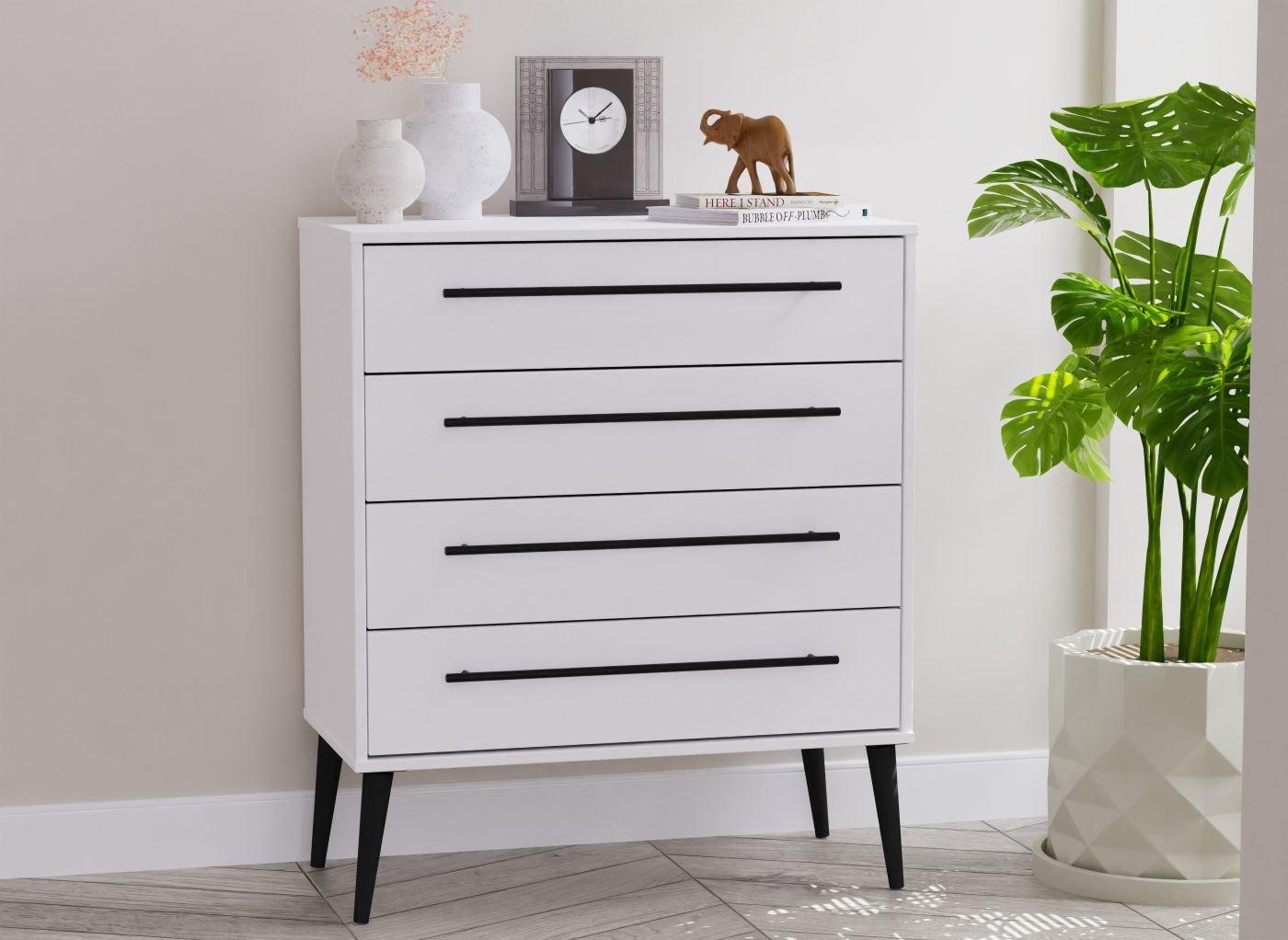
In bedroom terms, that might look like this: your one big task could be clearing out your wardrobe. Your three medium tasks might be reorganising your bedside table, sorting the top of your chest of drawers and tidying your shoe collection. And your five small tasks? Things like throwing away old receipts, pairing up odd socks, recycling that stack of magazines, wiping down surfaces and putting stray chargers in a drawer.
It sounds almost too simple. That’s the point. The structure keeps you focused without making the whole thing feel overwhelming. And nine tasks ticked off in one go feels pretty satisfying, even if individually they only took a few minutes each.
Sometimes the hardest part of decluttering isn’t deciding what to get rid of. It’s figuring out what to do with everything once you’ve pulled it all out. That’s where the four-box method comes in.
Before you start, grab four boxes (or bags, or laundry baskets, whatever you have to hand) and label them: keep, donate, bin and relocate. Then work through one area of your bedroom at a time, putting every single item into one of the four boxes. No “maybe” pile. No “I’ll decide later” heap on the bed. Everything gets sorted there and then.
The “relocate” box is the one most people forget about, and it makes a huge difference. Bedrooms have a habit of collecting things that belong in other rooms. The mug from the kitchen. The charger that lives in the hallway. The toy that escaped from the kids’ room. Giving those items a dedicated box means they actually make it back to where they should be, rather than getting shoved in a drawer and forgotten.
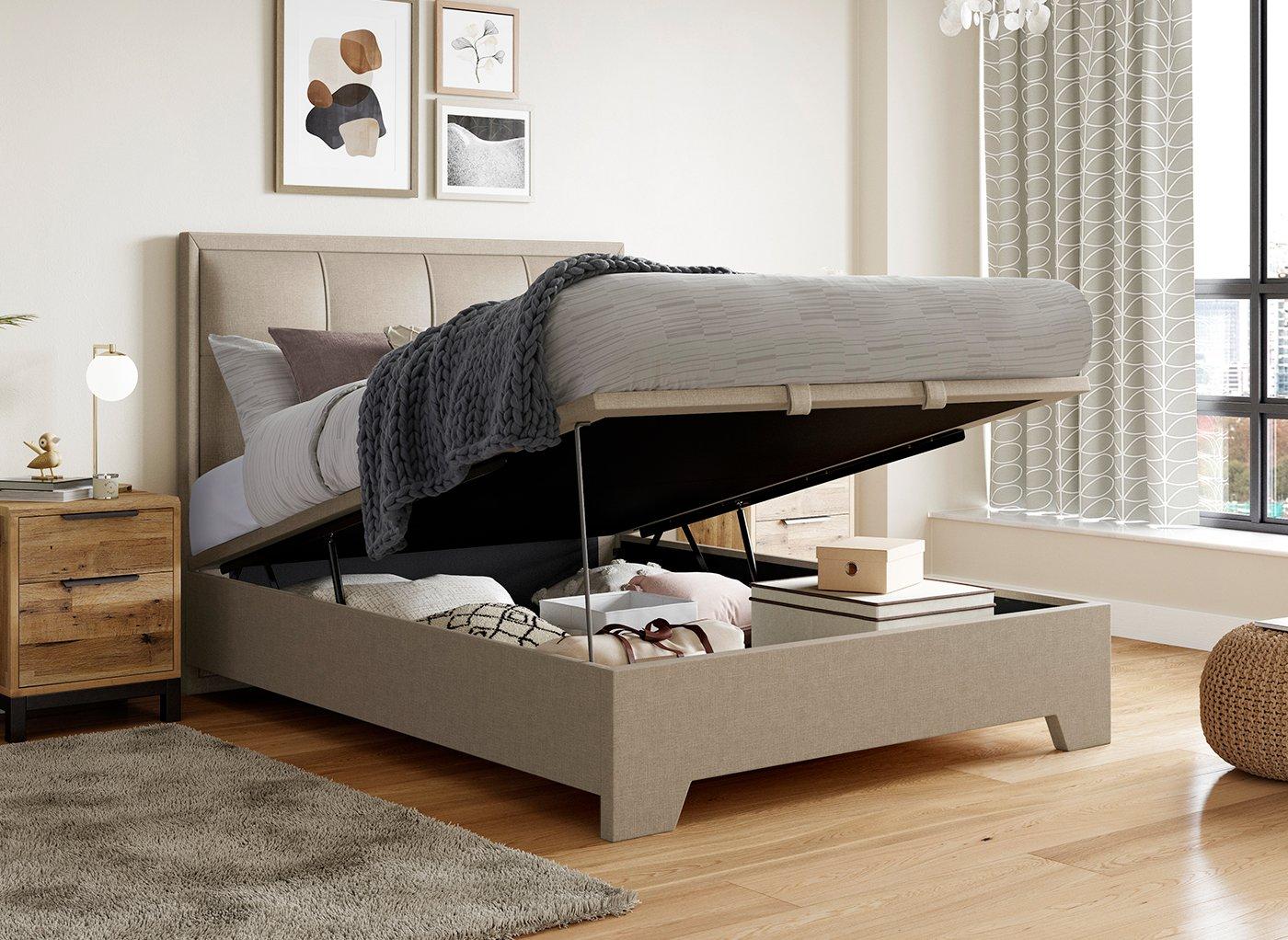
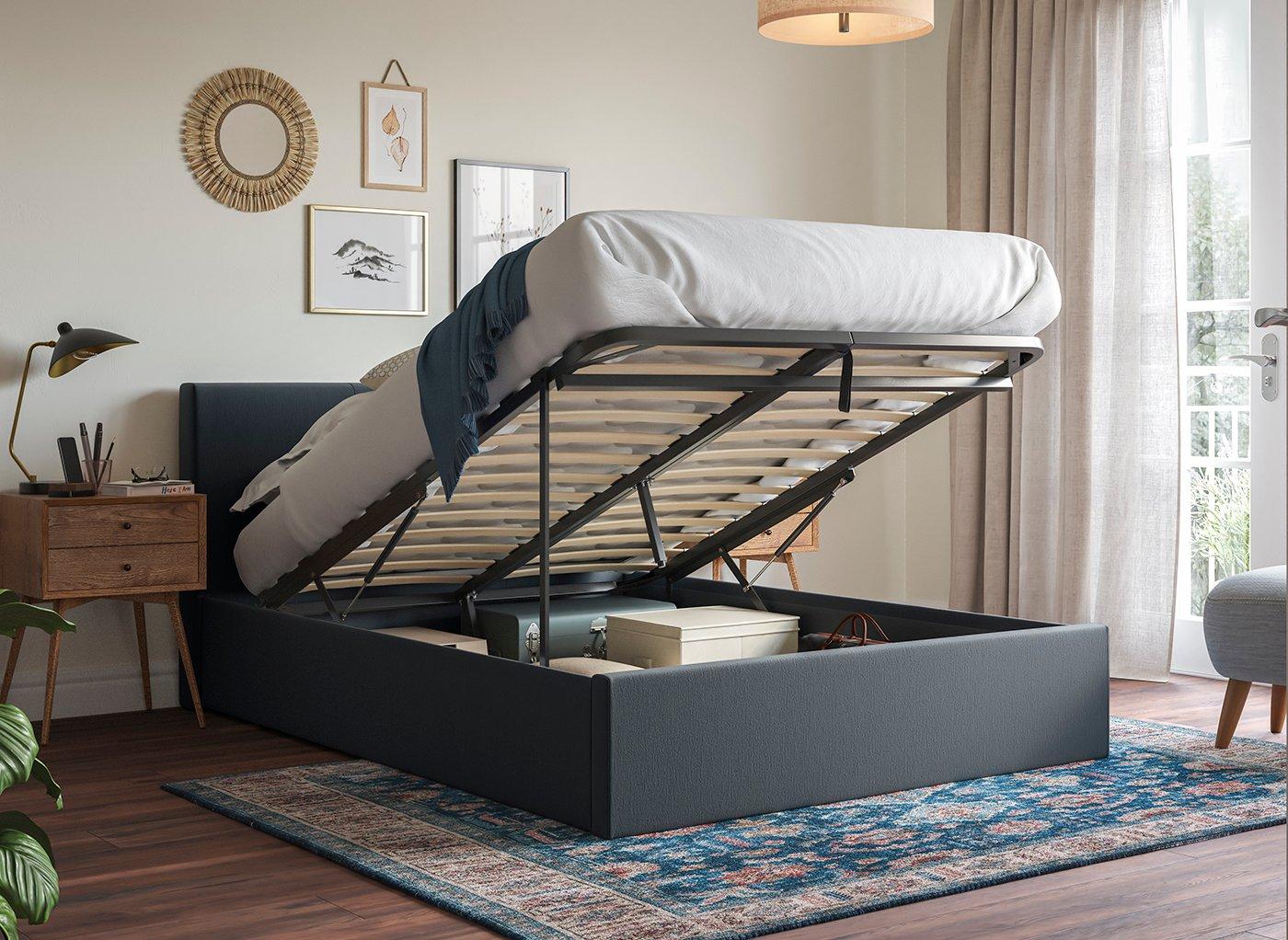
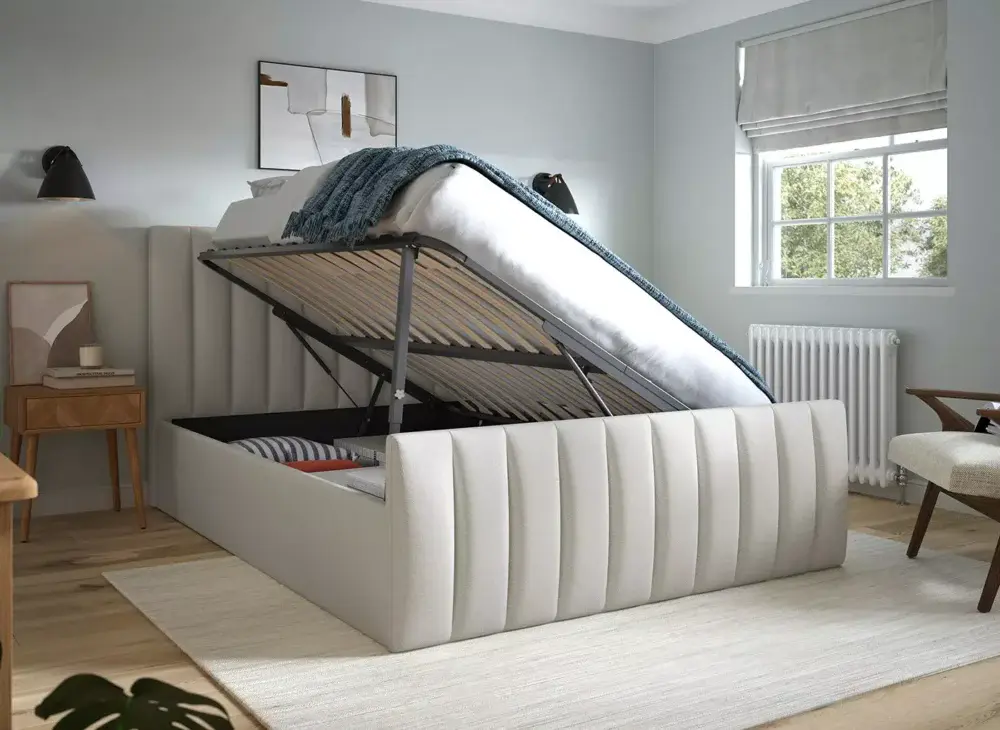
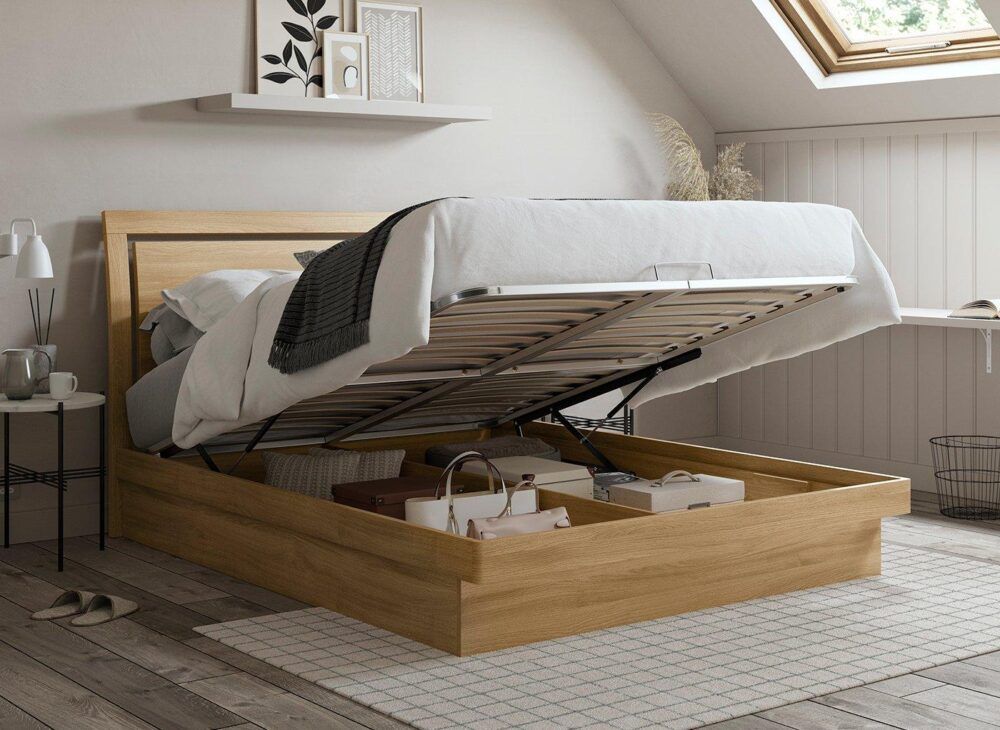
This method pairs really well with a good bedroom storage setup. Once you’ve sorted your “keep” pile, you’ll have a much clearer picture of how much storage you actually need, whether that’s a chest of drawers, some bedroom shelving, or a storage bed that tucks everything neatly out of sight.
Most decluttering methods ask you to decide what to get rid of. The reverse method flips that on its head. Instead of sorting through everything and choosing what to throw away, you start fresh and pick only what you want to keep.
Imagine your bedroom is empty (nice thought, isn’t it?). Now, what would you actually bring back in? Your bed, obviously. Your favourite lamp. That really soft throw your mum bought you. The book you’re halfway through. Everything else? It stays out until it proves it deserves a spot.
This works brilliantly for people who struggle with the guilt of letting things go. You’re not “getting rid” of anything. You’re choosing your favourites. It’s a subtle shift in thinking, but it makes a real difference when you’re standing in front of a wardrobe wondering why you still own a shirt from 2014.
Here’s one that goes beyond just chucking things in bin bags. Biophilic decluttering combines tidying up with bringing nature into your space. The idea is that once you’ve cleared the clutter, you replace synthetic storage and decor with natural materials like wicker baskets, wooden trays, linen boxes and plenty of greenery.
It’s particularly lovely for bedrooms because it ties into what we know about sleep environments. A calmer, more natural-feeling room can help you wind down at the end of the day. Think wooden bed frames, open shelving with a couple of trailing plants, and swapping that plastic storage box under the bed for something that actually looks nice.
If you’re already a fan of botanical bedroom ideas, this method lets you take the concept further by making decluttering part of the design process, rather than a chore you do before you can start decorating.
Created by The Minimalists (Joshua Fields Millburn and Ryan Nicodemus), the 90/90 rule is beautifully blunt. If you haven’t used something in the last 90 days and you can’t see yourself using it in the next 90 days, it goes.
This method is especially good for wardrobes, because it forces you to be really honest about what you actually wear versus what you’re “saving for a special occasion” (that occasion, for the record, is not coming). But it works for bedroom clutter more broadly, too. That exercise bike doubling as a clothes horse? The stack of books you’ve been meaning to read since 2022? The 90/90 rule gives you clear boundaries to work with.
One thing worth noting: use common sense with seasonal items. Your winter duvet and thick pyjamas obviously don’t need to pass the 90-day test in July. This is about everyday clutter, not about throwing away your bedding mid-heatwave.
If indecision is your biggest enemy when decluttering (we’ve all stood holding a random cable thinking “but what if I need this?”), the 20/20 rule takes the stress out of letting go. The principle is straightforward: if you can replace an item for less than £20 and in less than 20 minutes, you don’t need to keep it “just in case.”
It’s a handy litmus test for all those “might need it one day” items clogging up your bedroom. That spare phone case? The half-used notebook? The travel adaptor you bought for a holiday three years ago? If it’s cheap and easy to replace, it’s not worth the space it’s taking up.
This method pairs well with the others on this list. Use it alongside the KonMari method or the 90/90 rule when you’re struggling to make a decision about a specific item. It takes the emotion out of the process and puts things into a practical perspective.
Top tip: Once you’ve decluttered, the trick is keeping it that way. A divan or ottoman bed gives you a proper home for spare bedding, out-of-season clothes and all those bits that don’t have an obvious place. If your bedroom doesn’t have built-in storage, your bed can do a lot of the heavy lifting. Take a look at our storage beds guide for help choosing the right one.
There’s no single “best” way to declutter. It depends on how much time you have, how attached you are to your things, and, honestly, how messy things have got.
If you’re short on time, the 30/10 rule lets you make progress in just ten minutes a day. If you love a system, the KonMari method or the 1-3-5 rule will give you a clear framework to follow. Prefer something hands-on? The four-box method keeps you focused when you’re knee-deep in stuff. If you’re more of a “rip the plaster off” type, the 90/90 rule will get you there faster. And if you want decluttering to feel less like a chore and more like redecorating, biophilic decluttering is probably your thing.
The real secret? Just start. Pick the method that feels the least daunting and give it twenty minutes. You might surprise yourself. Sometimes the best sleep upgrade isn’t a new mattress (although that helps too). Sometimes it’s just being able to see your floor.
To create a restful Feng Shui bedroom, position your bed diagonally across from the door and keep things tidy. Use natural materials, soft lighting, and a few well-placed mirrors to add calm and improve your sleep.
12 min read
Feel inspiredAn organised bedroom can help you drift off into a more peaceful sleep, so we’d like to introduce you to our top tips for decluttering your space and keeping it clean - for good!
5 min read
Feel inspiredWhen your bedroom feels more sardine tin than sanctuary, finding clever storage solutions becomes essential. We've gathered storage ideas that'll help you reclaim your space (and your sanity).
7 min read
Feel inspired