The Ultimate Guide to Daytime Napping
6 Min Read |
Last Modified 30 July 2026 First Added 29 July 2016
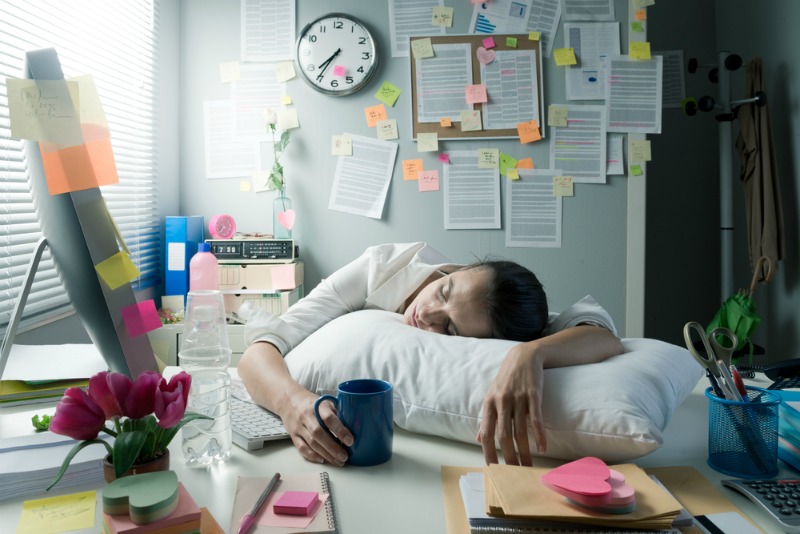
At some point, we’ve all fancied a cheeky daytime nap. In a busy world, forty winks can be the difference between a productive afternoon and one that drags. Our 2026 Sleep Survey found that more than a third of us (36%) sneak the odd daytime nap while working from home. Done well, a nap can leave you feeling genuinely refreshed. Done badly, it can throw off your whole day and even your night. So here’s how to get it right.
The lowdown: For most people, a short nap of 10 to 20 minutes is the sweet spot, giving you an energy and mood boost without the grogginess a longer nap can bring. The best time is early afternoon, roughly 1 pm to 3 pm, when your energy naturally dips. Naps are great in moderation, but if you regularly need long ones, it can be a sign your nighttime sleep needs some attention.
A well-timed nap is one of the simplest ways to reset. According to the American Heart Association, a short daytime nap can lift your alertness, mood and performance, leaving you sharper and steadier for the rest of the day.
The perks stack up nicely. A nap can boost your focus and reaction times, which is why they’re used everywhere from hospitals to cockpits to help people stay switched on. It can lift a flagging mood and take the edge off stress. And because sleep helps your brain file away what you’ve learned, a nap can give your memory a hand too. None of this replaces a proper night’s sleep, but as a top-up, a nap earns its keep.
This is the part that makes or breaks a nap. As a rule, keep afternoon naps under 90 minutes so they don’t eat into your nighttime sleep. Here’s what different lengths do, based on the research:
For most people, most of the time, 10 to 20 minutes is the winner. If you do want a longer one, set your alarm for around 90 minutes after you lie down, so you complete a full cycle rather than waking up in the deep-sleep slump.
Prime nap time is the early afternoon, roughly between 1 pm and 3 pm. That’s when most of us hit a natural dip in energy after lunch, so a nap works with your body clock rather than against it.
The golden rule is not to nap too late. A nap after about 3 pm can nibble away at your sleep pressure, the build-up of tiredness that helps you drop off at night, and make it harder to fall asleep at bedtime. A rough guide is to aim for a nap around seven hours after you wake up. So if you’re up at 7 am, early afternoon is spot on.
A few small things make a big difference to how good your nap feels:
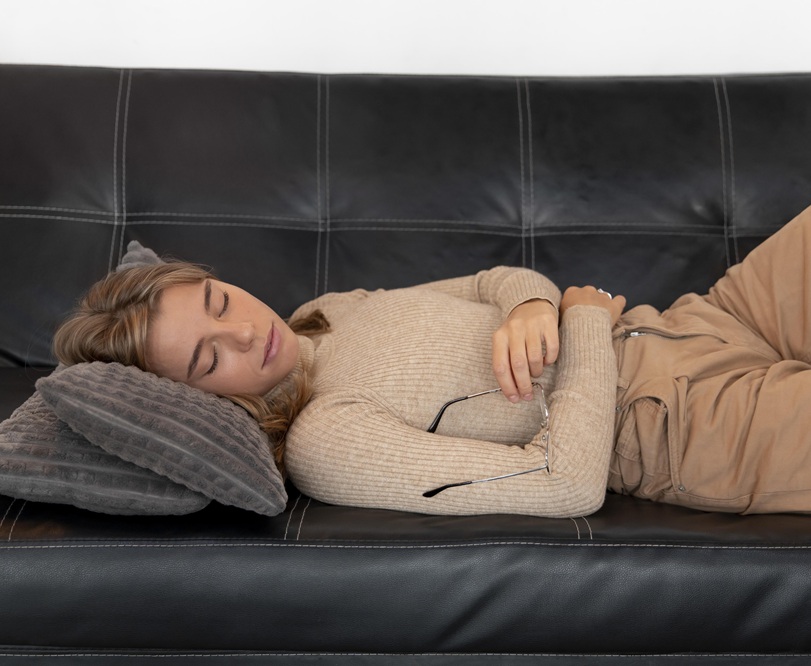
The two get muddled, but there’s a simple difference. A power nap is short and strategic, usually 10 to 20 minutes, taken to sharpen you up quickly without dipping into deep sleep. It’s the mid-afternoon pick-me-up.
A regular nap is longer and more relaxed, taken for rest, recovery or simply because it feels lovely. It can run anywhere from 20 minutes to a couple of hours. Both have their place. Just remember that the longer you sleep, the groggier you’re likely to feel on waking, and the more it can affect your night. For more on the short and snappy kind, see our guide to the power of cat naps.
For most people, a short nap is nothing but good. The picture around longer, regular naps is a little more mixed, though, and worth knowing.
A large systematic review found that long daytime naps, of an hour or more, were linked to a higher risk of heart disease and other health problems. Short naps generally weren’t. Even so, the evidence is fairly weak, and long napping is often a sign of poor nighttime sleep or an underlying health issue rather than the cause of it. In other words, needing to sleep for hours in the day is usually the signal, not the problem itself.
Napping can also backfire if you have insomnia, since daytime sleep can make it even harder to nod off at night. And if you often feel an overwhelming need to nap, or you’re sleepy through the day, no matter how much you sleep at night, it’s worth speaking to your GP, as excessive daytime sleepiness can point to something treatable.
If you still feel a bit guilty about a daytime doze, you’re in good company. Plenty of high achievers swore by a nap, from Salvador Dali and Leonardo da Vinci to Winston Churchill, John F Kennedy and Muhammad Ali.
Churchill put it best. “Don’t think you will be doing less work because you sleep during the day. That’s a foolish notion held by people who have no imagination. You will be able to accomplish more. You get two days in one, well, at least one and a half.”
That groggy, fuzzy feeling is called sleep inertia, and it happens when you wake up out of deep sleep, usually after a nap of around 30 to 60 minutes. Keeping naps to 20 minutes, or extending to a full 90-minute cycle, helps you avoid it.
A short daily nap is fine for most people. It’s long, regular naps that have been loosely linked to health risks, and even then, they’re often a sign of poor nighttime sleep rather than the cause. If you feel you need long naps every day, it’s worth checking your nighttime sleep or speaking to a GP.
A short daily nap is fine, but regularly needing a two-hour nap to get through the day usually points to something else, most often poor-quality or too little sleep at night. It can occasionally signal an underlying health issue too, so if it’s a daily need rather than a treat, it’s worth speaking to your GP.